
 by
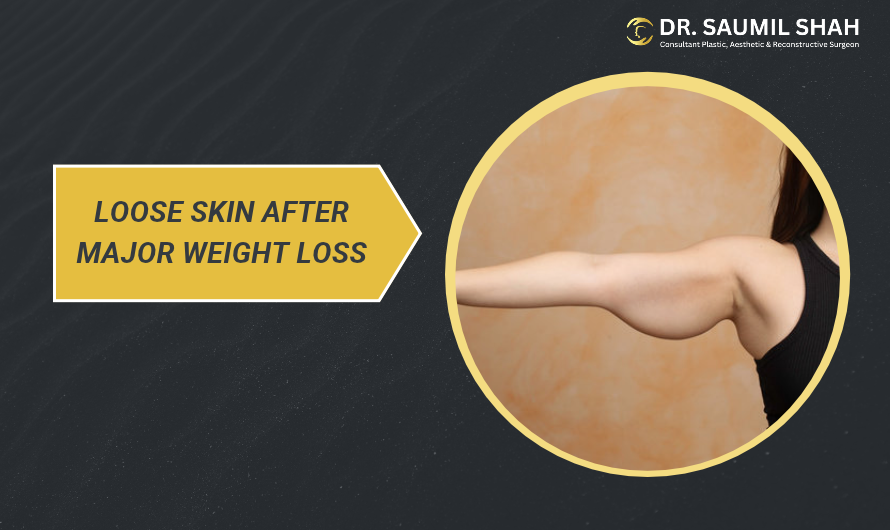
Losing a significant amount of weight can be a major achievement. Whether your weight loss followed lifestyle changes, medical treatment, or bariatric surgery, reaching a healthier weight can improve mobility, confidence, and overall well-being. However, one concern many people face afterwards is loose or sagging skin.
You may notice excess skin around your abdomen, arms, thighs, breasts, or lower back, even after reaching your target weight. This can make certain clothes uncomfortable, cause skin irritation, or leave you feeling that your body shape does not reflect the effort you have put into losing weight.
The good news is that several treatment options are available. Depending on the amount of excess skin, your health, and your goals, treatment may involve non-surgical skin-tightening procedures or surgery to remove excess skin and reshape the body.
Body contouring after weight loss can help address these concerns by removing excess skin and, in selected cases, reshaping underlying tissues. If you are exploring body contouring in Mumbai, understanding your options can help you make an informed decision.
Why Does Loose Skin Develop After Major Weight Loss?
Your skin stretches as your body gains weight. It contains collagen and elastin, which help it maintain its structure and flexibility.
When weight increases over time, the skin adapts to the expanding body. However, after substantial weight loss, it may not fully retract to match the reduced body size.
Several factors influence how much loose skin develops.
1. The amount of weight lost
People who lose a substantial amount of weight may have more excess skin than those who experience smaller weight changes. However, the amount varies considerably between individuals.
2. How long you carried the extra weight
Skin that has remained stretched for many years may have more difficulty returning to its previous shape.
3. Age and skin elasticity
Skin elasticity generally decreases with age. This can affect how much the skin contracts after weight loss.
4. Genetics
Genetics influence skin structure, elasticity, and how the body responds to changes in weight.
5. Previous pregnancies and weight fluctuations
Pregnancy and repeated weight changes can stretch the abdominal skin and surrounding tissues, sometimes making loose skin more noticeable after weight loss.
6. Sun exposure and lifestyle factors
Sun damage and smoking can affect skin quality and healing. These factors may influence both the appearance of loose skin and the results of treatment.
It is important to remember that loose skin is not necessarily a sign that you have lost weight incorrectly. It is a common physical change after significant weight reduction.
Where Can Loose Skin Appear After Weight Loss?
Excess skin can develop in several areas, depending on your original body shape, the amount of weight lost, and individual skin elasticity.
Common areas include:
- Abdomen: Hanging skin or an apron-like fold around the lower stomach.
- Upper arms: Loose skin that hangs beneath the upper arms.
- Thighs: Excess skin along the inner or outer thighs.
- Breasts: Reduced volume, sagging, or changes in breast shape.
- Lower back and waist: Skin folds around the sides and back.
- Buttocks: Loss of fullness and skin laxity.
- Face and neck: Loose skin around the jawline or neck after substantial weight loss.
You may have loose skin in one area or several areas at the same time. Treatment can be planned around the areas that cause the greatest physical discomfort or concern.
Can Loose Skin Tighten Naturally After Weight Loss?
In some cases, the skin gradually adapts to the body’s new shape. The extent of this improvement depends on the amount of excess skin, age, skin elasticity, and other individual factors.
When the skin is only mildly loose, the appearance may improve over time. However, significant excess skin is unlikely to disappear completely through exercise, moisturisers, or diet alone.
Maintaining a stable weight, eating a balanced diet, getting adequate protein, avoiding smoking, and following a consistent exercise routine can support general health and skin quality. Strength training may also improve muscle definition beneath the skin.
However, these measures cannot remove large folds of excess skin.
If the skin hangs substantially or causes recurring irritation, surgical body contouring may be worth discussing with a qualified plastic surgeon.
What Is Body Contouring After Weight Loss?
Body contouring refers to procedures that reshape specific areas of the body by removing excess skin and, where appropriate, underlying fat.
After major weight loss, the primary concern is often excess skin rather than excess fat. This is why liposuction alone may not be sufficient for patients with significant skin laxity.
Depending on the area being treated, body contouring surgery may include:
- Tummy tuck or abdominoplasty
- Arm lift or brachioplasty
- Thigh lift
- Lower body lift
- Breast lift
- Back lift
- Combination procedures for multiple areas
The aim is to create a smoother body contour and reduce excess skin that may interfere with clothing, movement, hygiene, or comfort.
Body contouring does not replace weight-loss treatment, and it is not intended to guarantee a particular body shape. The results depend on your anatomy, skin quality, surgical plan, and healing.
1. Tummy Tuck for Loose Abdominal Skin
A tummy tuck, also called abdominoplasty, is one of the procedures commonly considered after significant weight loss.
When excess skin hangs around the abdomen, it may be difficult to address through exercise alone.
What does a tummy tuck involve?
Depending on the patient’s anatomy, surgery may involve:
- Removing excess abdominal skin
- Removing a limited amount of additional fat where appropriate
- Tightening separated abdominal muscles when indicated
- Reshaping the abdominal contour
- Repositioning the belly button when necessary
A tummy tuck may be suitable for people with a substantial amount of loose abdominal skin who are otherwise appropriate candidates for surgery.
What can it improve?
A tummy tuck can help reduce hanging skin, improve the contour of the lower abdomen, and make some clothing fit more comfortably.
However, it creates scars, and the final result depends on the amount of excess skin, the location of the incisions, and individual healing.
2. Arm Lift for Sagging Upper Arms
After major weight loss, the skin beneath the upper arms may remain loose even when the underlying fat has decreased.
An arm lift, or brachioplasty, removes excess skin from the upper arm to create a more defined contour.
Who may consider an arm lift?
You may wish to discuss this procedure if:
- The skin hangs noticeably beneath your upper arms.
- Loose skin rubs against your body or clothing.
- The appearance of your arms remains a concern despite weight stabilisation.
- You understand that an incision and permanent scar will be involved.
The amount of skin removed and the incision location depend on the extent of skin laxity.
An arm lift can improve the contour, but it does not stop the natural ageing process or prevent future changes in skin elasticity.
3. Thigh Lift for Loose Inner-Thigh Skin
The inner thighs are another common area affected by loose skin after significant weight loss.
Excess skin can rub together during walking, contribute to irritation, and make certain clothes uncomfortable.
A thigh lift removes excess skin and reshapes the thigh contour. Depending on the extent of laxity, the incision may be placed near the groin or extend further along the thigh.
What should you consider?
A thigh lift may improve skin contour and reduce friction caused by excess skin. However, it involves scars, swelling, recovery restrictions, and the possibility of complications such as wound-healing problems.
Your surgeon will assess skin quality, the location of excess tissue, and your expectations before recommending the procedure.
4. Breast Lift After Significant Weight Loss
Significant weight loss can change breast volume, skin elasticity, and breast position. Some people notice that their breasts appear flatter, less full, or more sagging after losing weight.
A breast lift, also called mastopexy, reshapes the breast and repositions the nipple-areola complex when appropriate.
If the main concern is loss of volume, breast augmentation may also be discussed. In some cases, a combination of procedures may be suitable.
The choice depends on the amount of remaining breast tissue, skin laxity, nipple position, and the patient’s goals.
5. Lower Body Lift for Extensive Loose Skin
When loose skin affects multiple areas around the waist, abdomen, hips, and buttocks, a lower body lift may be considered.
This is a more extensive surgical procedure designed to remove excess skin and improve the contour of several connected areas.
It may be appropriate for selected patients who have lost a significant amount of weight and have substantial skin laxity around the lower torso.
Because the procedure is extensive, it requires careful medical assessment, surgical planning, and recovery preparation. Some patients may need treatment in stages rather than undergoing several procedures at once.
6. Non-Surgical Treatments for Loose Skin
Not everyone with loose skin needs surgery. Non-surgical treatments may be worth considering when laxity is mild and the main goal is modest skin tightening.
Depending on the individual assessment, options may include radiofrequency-based treatments, certain ultrasound-based treatments, or other energy-based procedures.
What can non-surgical treatments achieve?
Some treatments may provide modest improvement in skin firmness. However, results vary, and they generally cannot remove large amounts of hanging skin.
They may be less suitable when the skin has stretched substantially after major weight loss.
Before choosing a treatment, ask your clinician:
- What degree of improvement is realistic?
- How many sessions may be needed?
- What are the potential risks and side effects?
- How long might the results last?
- Is the treatment appropriate for my skin condition and medical history?
Be cautious about claims that a non-surgical treatment can deliver the same result as surgical skin removal.
Non-Surgical Skin Tightening vs Surgical Body Contouring
| Consideration | Non-surgical treatments | Surgical body contouring |
| Main purpose | May improve mild skin laxity | Removes excess skin and reshapes selected areas |
| Best suited for | Selected patients with relatively mild laxity | Patients with significant excess skin who are suitable for surgery |
| Skin removal | Does not remove large skin folds | Can remove substantial excess skin |
| Downtime | Usually less, depending on the treatment | Requires surgical recovery and activity restrictions |
| Results | Often modest and variable | May provide more substantial contour changes |
| Scarring | Usually no large surgical incision, but risks vary | Permanent scars are expected |
Neither option is right for everyone. The decision depends on the amount of loose skin, your health, treatment goals, and willingness to accept recovery time and scarring.
When Is the Right Time to Consider Body Contouring Surgery?
Timing matters because further weight loss or gain can change the surgical result.
Many surgeons recommend waiting until your weight has stabilised before elective body contouring. A period of several months at a relatively stable weight is often considered, but the appropriate timeframe varies depending on your circumstances.
You may be ready to discuss surgery when:
- You are close to your target weight.
- Your weight has remained relatively stable.
- You can maintain adequate nutrition.
- You do not have untreated medical problems that would make surgery unsafe.
- You understand the expected scars and recovery.
- You have realistic expectations about the result.
If you have recently undergone bariatric surgery, your surgeon may also consider nutritional status, blood tests, and your ongoing weight-loss trajectory before recommending an operation.
There is no single ideal weight or waiting period for every patient. Individual assessment is essential.
Can Exercise Remove Loose Skin After Weight Loss?
Exercise is beneficial for maintaining weight, improving fitness, and building muscle. Strength training may help create a firmer appearance by improving the muscle definition beneath the skin.
However, exercise cannot remove a large excess skin fold.
For example, abdominal exercises may strengthen the abdominal muscles, but they will not eliminate a substantial apron of loose abdominal skin. Similarly, arm exercises can strengthen the triceps but cannot reliably remove hanging skin beneath the upper arms.
If loose skin is the primary concern, a consultation can help determine whether non-surgical treatment or surgery is likely to offer meaningful improvement.
What About Liposuction After Weight Loss?
Liposuction removes localised fat deposits. It is not a skin-removal procedure.
If you have residual fat but good skin elasticity, liposuction may be considered in selected cases. However, if the main problem is excess skin, liposuction alone may leave the area looking loose or make the skin laxity more apparent.
Some patients benefit from combining liposuction with skin-removal surgery, but this depends on the area being treated, surgical safety, and the individual treatment plan.
A proper examination helps distinguish between excess fat, excess skin, and a combination of both.
What Is Recovery Like After Body Contouring Surgery?
Recovery varies according to the procedure, the amount of tissue removed, and whether multiple areas are treated.
You may need to plan for:
- Time away from work and routine activities
- Help at home during the early recovery period
- Wound care and follow-up visits
- Compression garments where recommended
- Temporary restrictions on lifting and exercise
- Monitoring for swelling, fluid accumulation, or wound-healing problems
More extensive procedures generally require more recovery time than smaller operations.
Scars will be present after skin-removal surgery. They typically change in appearance over time, but they do not disappear completely. The final appearance depends on the incision location, skin type, genetics, and healing.
Your surgeon should explain the expected recovery period and any restrictions before you make a decision.
What Are the Risks of Body Contouring Surgery?
Body contouring can improve excess skin and body shape, but it is still surgery and carries potential risks.
These may include:
- Bleeding or infection
- Fluid accumulation beneath the skin
- Delayed wound healing
- Noticeable or widened scars
- Changes in skin sensation
- Uneven contours or asymmetry
- Blood clots
- Risks associated with anaesthesia
- Need for further procedures
Patients who have lost a large amount of weight may have nutritional deficiencies or other medical considerations that need to be addressed before surgery.
A detailed assessment helps determine whether surgery is appropriate and how risks can be managed.
How Much Does Body Contouring After Weight Loss Cost in Mumbai?
The cost depends on the area being treated, the amount of excess skin, the complexity of surgery, and the facilities and follow-up care required.
Factors that can influence the overall cost include:
- The procedure recommended
- Whether one or multiple areas are treated
- The extent of skin removal
- Surgeon and hospital fees
- Anaesthesia charges
- Required investigations
- Postoperative garments and medicines
- Follow-up appointments
- Whether treatment needs to be staged
For example, an arm lift and a lower body lift differ substantially in their scope and complexity, so their costs cannot be directly compared.
If you are researching body contouring surgery in Mumbai, ask for an individual assessment and a written estimate that clearly explains what is included.
The lowest quoted price should not be the only consideration. Surgical qualifications, patient safety, the proposed technique, and postoperative care are also important.
How to Choose a Body Contouring Surgeon
Choosing a qualified plastic surgeon is an important part of planning treatment after major weight loss.
Look for a surgeon who:
- Has appropriate specialist training in plastic surgery.
- Regularly evaluates patients with significant excess skin.
- Explains which procedure is suitable for each area.
- Discusses scarring, recovery, and possible complications.
- Assesses your overall health and nutritional status.
- Provides realistic expectations rather than promising perfect results.
- Offers appropriate postoperative follow-up.
During your consultation, ask whether the proposed surgery is intended primarily to remove skin, remove fat, reshape underlying tissue, or combine these approaches.
A clear treatment plan helps you understand what surgery can realistically achieve.
Considering Body Contouring After Weight Loss in Mumbai?
If loose skin remains after major weight loss, you do not have to decide on treatment immediately. The first step is to understand which areas are affected and whether the concern is related to excess skin, residual fat, or both.
Dr. Saumil Shah can assess your body contour, skin quality, health considerations, and treatment goals to discuss appropriate options.
Depending on your needs, the plan may involve a tummy tuck, arm lift, thigh lift, breast lift, lower body lift, or another suitable procedure. Some patients may benefit from non-surgical treatment, while others with significant skin excess may need surgical correction.
If you are considering body contouring in Mumbai, a personalised consultation can help you understand the potential benefits, limitations, costs, and recovery involved.
Frequently Asked Questions
Will loose skin disappear if I continue losing weight?
Further weight loss may reduce fat, but it can also make existing excess skin more noticeable. Whether the skin tightens depends on its elasticity, age, genetics, and the amount of weight lost.
Can loose skin tighten naturally after major weight loss?
Mild laxity may improve over time, but substantial excess skin often does not retract completely. A clinician can help determine whether non-surgical treatment or surgery is appropriate.
What is the best procedure for loose abdominal skin?
A tummy tuck may be appropriate when there is significant excess skin around the abdomen. The right approach depends on the amount and location of skin laxity, abdominal muscle condition, and overall health.
Is body contouring only for cosmetic reasons?
No. Excess skin can sometimes cause friction, irritation, hygiene difficulties, and discomfort during movement. Body contouring may address these concerns as well as changes in body shape.
Can I undergo body contouring if I am still losing weight?
Further weight loss may change the result. Surgeons commonly recommend waiting until weight is relatively stable, but the timing should be based on your individual circumstances.
Does body contouring remove stretch marks?
Some stretch-marked skin may be removed when it lies within the area excised during surgery. Stretch marks outside that area generally remain, and body contouring is not a treatment for removing all stretch marks.
Will I have scars after body contouring?
Yes. Surgical skin removal requires incisions, and permanent scars are expected. The surgeon plans incision placement carefully, but scar length and visibility depend on the procedure and individual healing.
Can liposuction remove loose skin?
Liposuction removes fat rather than excess skin. If significant skin laxity is present, skin-removal surgery may be needed to achieve the desired contour.
Can multiple body contouring procedures be performed together?
In selected patients, more than one procedure may be combined. However, combining surgeries increases the scope of the operation and may affect risk and recovery. Your surgeon will determine whether a combined or staged approach is more appropriate.
Final Thoughts
Loose skin after major weight loss is common, and its presence does not diminish the progress you have made. The appropriate treatment depends on how much excess skin remains, where it is located, your overall health, and the results you hope to achieve.
Non-surgical treatments may provide modest improvement for mild laxity, while procedures such as a tummy tuck, arm lift, thigh lift, or lower body lift can address larger amounts of excess skin in suitable patients. Each option has limitations, and surgery involves scars, recovery time, and potential complications.
If you are exploring Body Contouring After Weight Loss and want to understand your options, consult Dr. Saumil Shah to discuss a treatment plan tailored to your body and goals.


