 by
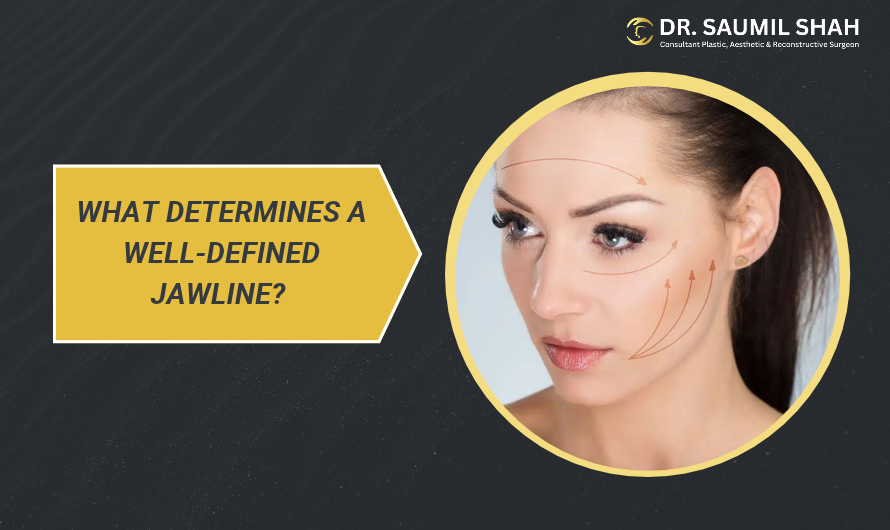
A well-defined jawline can influence the overall balance and proportions of the face. Some people naturally have a sharp jawline, while others may notice a softer or less defined lower face due to genetics, facial fat distribution, ageing or changes in skin elasticity.
For individuals who want to improve their facial contours, several treatment options are available. These range from non-surgical procedures that enhance definition to surgical treatments that address excess fat, loose skin or underlying structural concerns.
If you are considering jawline treatment in Mumbai, understanding what determines jawline definition can help you identify the options that may be suitable for your facial structure.
What Makes a Jawline Well-Defined?
A well-defined jawline is not determined by a single feature. It results from the relationship between the jawbone, chin, facial fat, muscles and skin.
Some of the main factors include:
1. Jawbone Structure
The shape and position of the mandible, or lower jawbone, play an important role in defining the lower face.
People with a naturally prominent jawbone may have a sharper transition between the face and neck. Others may have a softer jawline because of their natural bone structure.
Cosmetic treatments can improve certain aspects of facial contour, but they cannot completely change every underlying skeletal feature without appropriate structural procedures.
2. Chin Projection
The chin contributes to the appearance of the jawline and lower facial profile.
A chin that sits further back may make the jawline appear less prominent, even when there is little excess fat beneath the chin. In selected cases, chin augmentation or other structural procedures may help improve facial balance.
3. Submental Fat
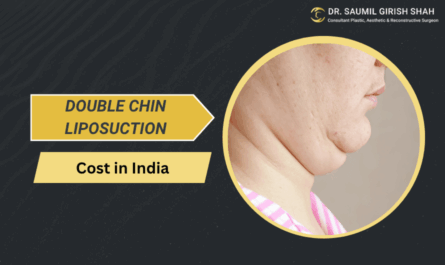
Submental fat refers to fat stored beneath the chin. It can create the appearance of a double chin and reduce the visible separation between the jawline and neck.
Its presence may be influenced by genetics, body-fat distribution and weight changes. Some people develop a double chin even when they are not overweight.
4. Skin Elasticity
Healthy skin elasticity helps the skin remain firm around the jaw and neck.
As collagen and elastin decrease with age, the skin may gradually become loose. This can contribute to jowls, lower-face sagging and a less defined jawline.
5. Masseter Muscle Size
The masseter muscles are located on either side of the jaw and help with chewing.
In some individuals, these muscles are naturally prominent or become enlarged due to muscle development or habitual clenching. This can create a wider or more square-looking lower face.
Masseter Botox may help reduce the appearance of muscle-related jaw width in selected patients, but it does not remove fat or tighten loose skin.
6. Genetics and Facial Fat Distribution
Genetics influence facial bone structure, skin characteristics and where the body stores fat.
This is why two people with similar body weights may have very different jawline definitions. Some naturally have a sharper jawline, while others have fuller cheeks or more fat beneath the chin.
Why Does the Jawline Become Less Defined?
A less prominent jawline can develop gradually or become noticeable after certain changes in the body.
Common contributing factors include:
- Ageing: Reduced skin elasticity can cause sagging around the lower face and neck.
- Weight gain: Increased fat beneath the chin can soften the jawline.
- Genetics: Natural facial anatomy may contribute to a rounder or softer lower face.
- Reduced chin projection: A recessed chin can affect the overall facial profile.
- Muscle enlargement: Prominent masseter muscles may create a wider lower face.
- Skin laxity: Loose skin and jowls can obscure the natural jawline.
- Previous weight loss: Significant weight loss may leave excess skin around the lower face and neck.
Identifying the underlying cause is important because a treatment that works for excess fat may not address loose skin or a recessed chin.
What Are the Treatment Options for a Well-Defined Jawline?
The most suitable treatment depends on whether the concern is related to fat, skin laxity, muscle size, chin projection or bone structure.
Here are some commonly considered options.
1. Jawline Fillers
Jawline fillers are injectable treatments used to improve the appearance of the lower-face contour.
Hyaluronic acid-based dermal fillers may be placed at selected points along the jawline and chin to create greater definition and improve facial proportions.
How it works:
The filler adds volume beneath the skin, helping create a more structured appearance along the jawline.
May be suitable for:
- Mildly defined jawlines.
- Selected cases of a less prominent chin.
- People seeking subtle contour enhancement.
- Individuals who want a non-surgical option.
What to expect:
Results are generally visible soon after treatment, although temporary swelling or bruising may occur. Results are not permanent, and maintenance treatments may be required.
Important consideration: Fillers do not remove excess fat or tighten significant loose skin. They also carry risks, including vascular complications that can be serious. Treatment should be performed by a suitably qualified medical professional with appropriate knowledge of facial anatomy.
2. Masseter Botox for Jawline Slimming
Masseter Botox is a non-surgical treatment that may help reduce the appearance of a broad lower face caused by enlarged masseter muscles.
Botulinum toxin is injected into selected areas of the masseter muscles. It temporarily reduces muscle activity, and the muscle may gradually become smaller over time.
May be suitable for:
- People with prominent masseter muscles.
- A square-shaped lower face caused partly by muscle bulk.
- Selected patients with jaw clenching or teeth grinding, after appropriate assessment.
What to expect:
Changes develop gradually over several weeks. The effect is temporary, and repeat treatment may be required.
Important consideration: Masseter Botox is not a treatment for double chin fat, loose skin or weak chin projection. Excessive or poorly planned treatment may affect chewing strength and facial balance.
3. Double Chin Fat Reduction
Excess fat beneath the chin can make the jawline appear less defined. Treatment may focus on reducing this fat to improve the transition between the chin, jaw and neck.
Depending on the amount of fat and skin quality, options may include:
- Injectable fat-dissolving treatments, where an appropriate product is available and clinically suitable.
- Submental liposuction.
- Other selected fat-reduction procedures.
May be suitable for:
- People with localised fat beneath the chin.
- Individuals whose jawline is obscured by a double chin.
- Patients with sufficient skin elasticity for the planned treatment.
What to expect:
Results and recovery vary by procedure. Injectable treatments may require multiple sessions, while liposuction is a surgical option that removes fat directly.
Important consideration: Fat reduction alone may not produce a sharp jawline if loose skin, a recessed chin or skeletal anatomy is the main concern. Injectable fat-reduction products also have product-specific indications and risks, so they should not be treated as interchangeable.
4. Submental Liposuction
Submental liposuction is a surgical procedure that removes localised fat from beneath the chin and sometimes along the upper neck.
A small incision is used to insert a thin cannula, which helps remove unwanted fat and improve the contour of the area.
May be suitable for:
- Persistent fat beneath the chin.
- A double chin that does not respond to weight management.
- Patients with reasonably good skin elasticity.
- People seeking a more direct approach to localised fat removal.
What to expect:
Swelling, bruising and temporary discomfort are common during recovery. A compression garment may be recommended for a period determined by the surgeon.
Important consideration: Liposuction removes fat but does not directly correct substantial skin laxity. If the skin cannot contract sufficiently after fat removal, additional skin-tightening or lifting procedures may need to be discussed.
5. Skin Tightening Treatments
When reduced skin elasticity is the main reason for a soft jawline, skin-tightening treatments may be considered.
Depending on the device and clinical assessment, options may include radiofrequency-based treatments, ultrasound-based technologies or other energy-based procedures.
These treatments aim to stimulate tissue responses associated with collagen remodelling.
May be suitable for:
- Mild skin laxity.
- Early signs of lower-face ageing.
- Patients who want to explore non-surgical options.
- Individuals who do not have significant excess skin.
What to expect:
Results are generally gradual and vary according to the technology used, treatment settings and individual skin response. Multiple sessions may be recommended.
Important consideration: Non-surgical skin tightening cannot reliably replace surgery when there is substantial loose skin or pronounced jowling.
6. Chin Augmentation
Sometimes the jawline appears weak because the chin lacks sufficient projection.
Chin augmentation may improve the relationship between the chin, lower lip, jawline and neck. Depending on the patient’s anatomy and treatment goals, options may include:
- Chin fillers for selected temporary contour changes.
- A chin implant.
- Sliding genioplasty, a surgical procedure that repositions the chin bone.
May be suitable for:
- A recessed or under-projected chin.
- An imbalanced side profile.
- Selected cases where chin structure affects lower-face definition.
What to expect:
Recovery and results depend on the chosen technique. Fillers are temporary, while surgical approaches involve longer recovery and procedure-specific risks.
Important consideration: Chin augmentation does not automatically correct excess fat or loose skin. A complete facial assessment is important before selecting treatment.
7. Facelift or Lower Face and Neck Lift
For people with significant skin laxity, jowls or sagging around the lower face and neck, a surgical lifting procedure may be more appropriate than a non-surgical treatment.
A lower facelift addresses sagging tissues around the lower face, while a neck lift focuses on loose skin and selected underlying structures in the neck.
Depending on the individual, the procedures may be performed separately or together.
May be suitable for:
- Pronounced jowls.
- Significant loose skin around the jawline.
- Age-related lower-face sagging.
- Neck laxity affecting the jaw-to-neck contour.
What to expect:
Surgical lifting procedures involve incisions, recovery time and the possibility of visible scars. The exact approach depends on the extent of ageing changes and the patient’s anatomy.
Important consideration: A facelift is not primarily a fat-removal procedure. The surgeon may recommend combining techniques only when clinically appropriate.
Jawline Treatment Options: Comparison at a Glance
| Treatment | Main Concern Addressed | Surgical or Non-Surgical? |
| Jawline fillers | Limited definition and selected contour concerns | Non-surgical |
| Masseter Botox | Muscle-related lower-face width | Non-surgical |
| Fat-dissolving treatment | Selected localised fat deposits | Non-surgical |
| Submental liposuction | Excess fat beneath the chin | Surgical |
| Skin tightening | Mild skin laxity | Non-surgical |
| Chin augmentation | Limited chin projection | Depends on technique |
| Lower facelift or neck lift | Significant sagging and loose skin | Surgical |
No single treatment is ideal for everyone. In some cases, a combination of approaches may be considered, but treatment should be based on the underlying cause rather than the desire to use multiple procedures.
How to Choose the Right Jawline Treatment?
Choosing the right treatment starts with understanding what is affecting your jawline.
A surgeon or qualified medical professional may assess your facial structure, skin quality, fat distribution, chin projection and muscle size.
The following examples explain how treatment recommendations may differ:
If you have a double chin: Fat-reduction options such as submental liposuction may be considered, depending on skin elasticity and the amount of fat.
If you have a broad lower face: Masseter Botox may be discussed when enlarged jaw muscles are the main cause.
If your chin appears recessed: Chin augmentation may help improve facial proportions.
If you have mild skin laxity: Selected non-surgical skin-tightening treatments may be appropriate.
If you have prominent jowls and loose skin: A lower facelift or neck lift may provide a more suitable approach.
An in-person assessment is essential because different concerns can look similar from the outside but require different treatments.
What Results Can You Expect From Jawline Treatment?
The outcome depends on the treatment selected and the patient’s starting anatomy.
Some procedures create changes relatively quickly, while others produce gradual improvements over several weeks or months.
A realistic treatment plan should consider:
- Natural facial proportions.
- Skin quality and elasticity.
- The amount and location of excess fat.
- Chin and jawbone structure.
- Muscle size.
- Age-related changes.
- Individual healing response.
The aim should be to improve facial balance and definition while maintaining a natural appearance. A sharply defined jawline is not necessarily the right goal for every face.
Are There Any Risks Associated With Jawline Treatments?
Every cosmetic procedure has potential risks, even when it is non-surgical.
Depending on the treatment, possible complications may include:
- Swelling, bruising or tenderness.
- Infection.
- Uneven or asymmetrical results.
- Changes in skin sensation.
- Filler-related vascular complications.
- Temporary chewing weakness after masseter Botox.
- Skin irregularities after fat removal.
- Scarring and delayed healing after surgery.
- Nerve or other structural injury in surgical procedures.
Discuss the expected benefits, limitations and risks with your treating professional before proceeding. Make sure you understand what happens if the result is not as expected.
Frequently Asked Questions About Jawline Treatment in Mumbai
1. What is the best treatment for a well-defined jawline?
The best treatment depends on the reason for poor jawline definition. Fillers may help with selected contour concerns, liposuction can address localised fat, Botox may reduce muscle-related width, and lifting procedures can address significant skin laxity.
2. Can jawline treatment remove a double chin?
Yes, certain treatments can reduce the appearance of a double chin. Submental liposuction and selected injectable fat-reduction treatments may be considered depending on the amount of fat, skin elasticity and individual suitability.
3. Is jawline treatment possible without surgery?
Yes. Non-surgical options may include dermal fillers, masseter Botox and selected skin-tightening treatments. However, they have limitations and may not provide the same degree of correction as surgery for significant fat deposits or loose skin.
4. How long do jawline fillers last?
The duration varies depending on the filler product, injection site, amount used and individual metabolism. Results are temporary, and maintenance may be required. Your treating professional can explain the expected duration for the specific product.
5. Does masseter Botox make the face slimmer?
It may make the lower face appear narrower when enlarged masseter muscles are responsible for a broad jaw appearance. It will not reduce cheek fat or remove a double chin.
6. Is jawline liposuction permanent?
Fat cells removed during liposuction do not grow back in the same way, but remaining fat cells can enlarge with weight gain. Maintaining a relatively stable weight helps preserve the contour. Skin laxity and natural ageing can still affect the result.
7. Can a recessed chin affect jawline definition?
Yes. A chin that lacks projection can make the lower face appear less defined, even when there is little excess fat. Chin augmentation may be considered after assessing facial proportions and the underlying jaw structure.
8. How do I know which jawline treatment is suitable for me?
A clinical assessment can help identify whether your concern is related to fat, skin laxity, muscle size, chin projection or bone structure. The treatment plan should be based on these findings and your expectations.
Conclusion
A well-defined jawline is influenced by several factors, including jawbone structure, chin projection, facial fat distribution, muscle size and skin elasticity. Since these factors differ from person to person, jawline enhancement requires an individualised approach.
If you are exploring jawline treatment in Mumbai, the first step is to understand what is affecting your facial contour. Depending on your concerns, options may include fillers, Botox, fat reduction, chin augmentation, skin tightening or surgical lifting procedures.
Consult Dr. Saumil Shah to discuss your facial contour concerns, understand the available treatment options and explore an approach suited to your facial anatomy and aesthetic goals.