 by
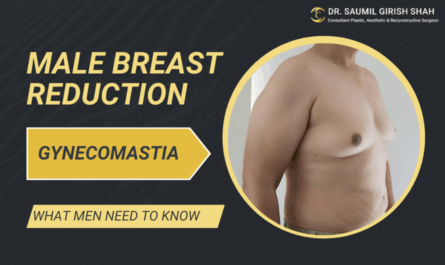
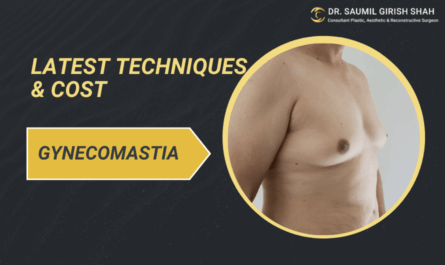
A fuller chest is a common concern among men, but the reason behind it is not always the same. Some men develop excess fat around the chest due to weight gain, while others experience enlargement of the breast gland tissue, a condition known as gynecomastia.
Although both conditions can make the chest appear enlarged, they have different causes and may require different treatment approaches. Understanding the difference is important because exercise, weight management and medical or surgical treatments do not work in the same way for every case.
If you are considering Gynecomastia Treatment in Mumbai, knowing whether your concern is related to glandular tissue, excess fat or a combination of both can help you understand the available options.
What Is Gynecomastia?
Gynecomastia is the enlargement of breast gland tissue in males. It occurs when there is an imbalance between the effects of oestrogen and testosterone on breast tissue.
Men naturally have small amounts of both hormones. However, when the hormonal balance changes, breast gland tissue may grow and create a fuller chest appearance.
Gynecomastia can affect one or both sides of the chest. It may develop during different stages of life, including:
- Newborn period: Temporary breast enlargement can occur due to hormones transferred during pregnancy.
- Puberty: Hormonal fluctuations can cause temporary glandular enlargement in adolescent boys.
- Adulthood: Hormonal changes, certain medications, medical conditions and ageing may contribute to gynecomastia.
In many adolescent cases, the enlargement settles naturally over time. Persistent or newly developing breast enlargement in adults should be evaluated to identify the underlying cause.
What Is Chest Fat in Men?
Chest fat refers to excess fatty tissue stored around the pectoral region. It is commonly associated with overall weight gain or individual patterns of fat distribution.
Unlike gynecomastia, chest fat does not involve enlargement of the breast gland tissue.
Men with excess chest fat may notice:
- A soft or rounded chest appearance.
- Increased fullness across the chest.
- Fat accumulation around the upper body.
- Changes in chest size with weight gain or weight loss.
- A less defined pectoral contour.
Chest fat is sometimes informally called pseudogynecomastia or lipomastia. It can occur on its own or alongside true gynecomastia.
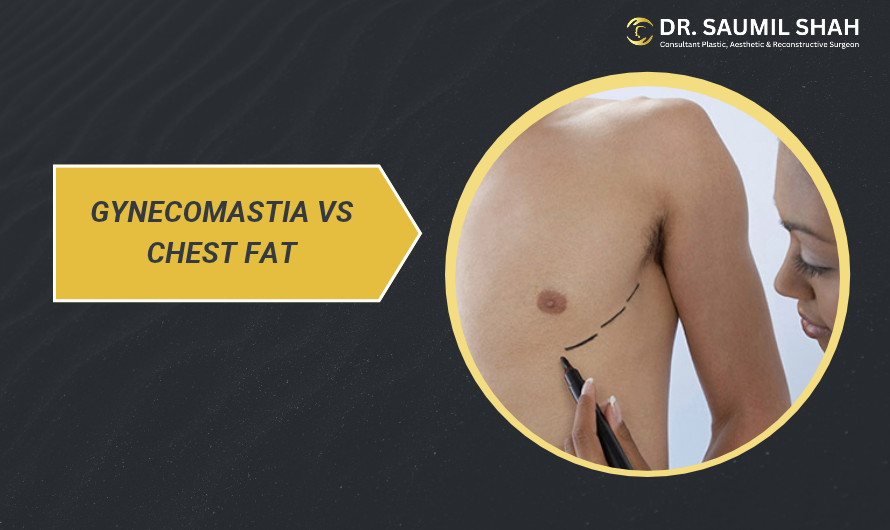
Gynecomastia vs Chest Fat: What Is the Difference?
The main difference is the type of tissue responsible for the enlargement.
| Feature | Gynecomastia | Chest Fat |
| Main cause | Enlargement of breast gland tissue | Excess fat accumulation |
| Tissue involved | Glandular tissue, sometimes with fat | Fatty tissue |
| Feel | May feel firm or rubbery beneath the nipple | Usually softer |
| Location | Often concentrated beneath the nipple-areola area | May be distributed more broadly across the chest |
| Common contributing factors | Hormonal changes, medications and certain medical conditions | Weight gain and fat distribution |
| Response to weight loss | Glandular tissue may remain | Fat may reduce with overall weight loss |
| Possible treatment | Observation, treatment of the cause or surgery | Weight management or selected fat-reduction procedures |
These differences can provide clues, but they cannot confirm the diagnosis. Some men have both glandular enlargement and excess chest fat, making a physical examination important.
How to Identify Whether You Have Gynecomastia or Chest Fat
Although the two conditions can look similar, certain features may help you understand what could be causing the enlargement.
1. Feel of the Chest Tissue
One commonly described difference is the texture of the tissue.
In gynecomastia, glandular tissue may feel like a firm or rubbery disc beneath the nipple or areola. In chest fat, the tissue is generally softer and more evenly distributed.
However, this is not a reliable self-diagnostic test. Tissue consistency can vary, and other conditions may produce similar findings.
2. Location of Enlargement
Gynecomastia often creates fullness directly beneath the nipple and areola. In some cases, the nipple may appear puffy or protrude outward.
Chest fat may be distributed more broadly across the chest, sometimes extending towards the sides and upper torso.
3. Changes With Weight Loss
If chest enlargement is mainly caused by excess fat, reducing overall body fat may improve the appearance of the chest.
However, when glandular tissue is responsible, weight loss may not fully resolve the enlargement. The gland may remain even after a person reaches a healthier weight.
4. Tenderness or Sensitivity
Some men with gynecomastia experience tenderness or sensitivity around the nipple area, particularly when the condition is developing.
Chest fat generally does not cause the same gland-related tenderness, although discomfort can have other causes.
Persistent pain, a hard lump or unusual changes should always be medically assessed rather than assumed to be gynecomastia.
What Causes Gynecomastia in Men?
Gynecomastia can develop for several reasons. Identifying the cause is important because treatment may involve addressing an underlying medical or medication-related issue.
1. Hormonal Imbalance
Testosterone and oestrogen both influence breast tissue. When the balance between their effects changes, glandular enlargement may occur.
This can happen naturally during puberty and ageing or because of certain health conditions.
2. Puberty-Related Hormonal Changes
During puberty, temporary hormonal fluctuations can cause breast gland tissue to enlarge.
In many teenagers, this improves without treatment over time. However, persistent enlargement, significant discomfort or unusual symptoms should be assessed by a doctor.
3. Certain Medications
Some prescription medicines have been associated with gynecomastia. These may include selected treatments for prostate conditions, cardiovascular conditions and other health problems.
Do not stop or change prescribed medication without discussing it with the prescribing doctor.
4. Medical Conditions
Certain health conditions can affect hormone production or metabolism and contribute to breast gland enlargement.
These may include:
- Thyroid disorders.
- Liver disease.
- Kidney disease.
- Conditions affecting testosterone production.
- Certain testicular or hormone-producing tumours.
A doctor may recommend investigations based on the patient’s symptoms and medical history.
5. Age-Related Changes
As men age, changes in hormone levels and body composition may increase the likelihood of developing gynecomastia.
Age-related hormonal changes may also occur alongside increased fat accumulation, making the chest appear fuller.
Can Exercise and Diet Reduce Gynecomastia?
Exercise and a balanced diet can help reduce overall body fat and improve chest muscle definition. This may make a noticeable difference when the enlargement is mainly caused by excess fat.
However, exercise cannot directly remove enlarged breast gland tissue.
For example:
- Chest exercises can strengthen the pectoral muscles.
- Cardiovascular activity can support overall fat loss.
- A balanced diet can help with weight management.
- Resistance training can improve overall chest definition.
If glandular tissue is responsible for the enlargement, the chest may remain prominent even after weight loss and regular exercise.
This is why identifying the cause is more useful than relying on workouts alone.
How Is Gynecomastia Diagnosed?
A proper diagnosis helps determine whether the chest enlargement is caused by glandular tissue, fat or another condition.
A medical evaluation may involve the following steps:
1. Medical History
The doctor may ask about:
- When the chest enlargement started.
- Whether it affects one or both sides.
- Any pain or nipple tenderness.
- Recent weight changes.
- Current medications and supplements.
- Use of anabolic steroids or other substances.
- Relevant medical conditions.
- Changes in sexual development or hormonal symptoms.
2. Physical Examination
The chest is examined to assess the amount, location and consistency of tissue.
The doctor may also examine the abdomen, testicles or other areas when clinically appropriate to look for possible underlying causes.
3. Blood Tests
Depending on the findings, blood tests may be recommended to assess hormone levels, liver function, kidney function or thyroid function.
Not every patient requires the same investigations.
4. Imaging
Ultrasound or other imaging may be recommended if the examination is unclear or a lump needs further evaluation.
Imaging is not automatically required for every man with chest enlargement. The decision depends on the clinical findings.
What Are the Treatment Options for Gynecomastia?
Treatment depends on the cause, duration and severity of the condition.
Some men may not need treatment, while others may benefit from medical management or surgery.
1. Observation and Monitoring
Gynecomastia during puberty often improves naturally. If the enlargement is mild and there are no concerning symptoms, the doctor may recommend monitoring rather than immediate intervention.
2. Treating the Underlying Cause
When gynecomastia is linked to a medication or medical condition, addressing that cause may help.
For example, the doctor may review a suspected medication-related cause or investigate a hormonal problem.
Any changes to medication should be made under medical supervision.
3. Medication in Selected Cases
In certain situations, a doctor may consider medication to address gynecomastia, particularly when the condition is recent and associated with breast tenderness.
Medication is not suitable for every patient, and results depend on the underlying cause and duration of enlargement. It should only be considered following medical evaluation.
4. Gynecomastia Surgery
For men with persistent glandular enlargement, surgery may be considered when the condition causes physical discomfort, cosmetic concerns or emotional distress.
Gynecomastia surgery aims to create a flatter and more proportionate chest contour.
Depending on the tissue involved, the procedure may include:
Gland Excision: Firm glandular tissue is removed through an incision, often placed around the edge of the areola when appropriate.
Liposuction: Excess fatty tissue is removed through small incisions using a thin cannula.
Combined Approach: Some patients have both glandular enlargement and excess fat. In these cases, gland removal and liposuction may be combined.
Skin Removal: In selected cases involving significant skin excess, additional skin tightening or removal may be required.
The appropriate technique depends on the amount of glandular tissue, fat distribution, skin elasticity and chest shape.
What Is the Difference Between Gynecomastia Surgery and Chest Liposuction?
Both procedures can improve the appearance of the male chest, but they address different types of tissue.
| Feature | Gynecomastia Surgery | Chest Liposuction |
| Main purpose | Removes enlarged glandular tissue and may also reduce fat | Removes excess fatty tissue |
| Tissue treated | Gland and sometimes fat | Fat |
| Suitable for | Persistent glandular enlargement | Chest enlargement mainly caused by fat |
| Incisions | Depends on the technique; may be around the areola | Usually small incisions |
| Can be combined? | Yes, liposuction may be included | May be combined with gland removal when needed |
Choosing the wrong approach can lead to incomplete correction. For example, liposuction alone may not adequately address a prominent gland beneath the nipple.
What Is the Recovery Time After Gynecomastia Surgery?
Recovery depends on the extent of surgery and whether gland removal, liposuction or both are performed.
A general recovery timeline may look like this:
First Few Days: Mild swelling, bruising, tightness and discomfort are common. Medication and rest may be recommended.
First One to Two Weeks: Many patients gradually return to routine activities, depending on their recovery and the nature of their work.
Weeks Three to Six: Strenuous exercise, heavy lifting and chest workouts are usually restricted until the surgeon provides clearance. A compression garment may be recommended during this period.
Following Months: Swelling gradually settles, and the chest contour becomes more defined as healing progresses.
Following post-operative instructions and attending scheduled follow-up visits are important for recovery.
Can Gynecomastia Come Back After Surgery?
Gynecomastia surgery can provide long-lasting improvement, but recurrence or renewed chest fullness is possible in certain situations.
Potential reasons include:
- Significant weight gain leading to increased chest fat.
- Persistent hormonal imbalance.
- Certain medications or substances that stimulate breast tissue.
- Residual glandular tissue that remains after surgery.
- Use of anabolic steroids or other hormone-altering substances.
It is important to distinguish between true glandular recurrence and an increase in chest fat. A fuller chest after surgery does not automatically mean gynecomastia has returned.
Maintaining a stable weight and addressing any underlying hormonal or medication-related causes can help support long-term results.
When Should You See a Doctor for Chest Enlargement?
Not every case of male chest enlargement is gynecomastia, and not every case requires surgery. However, medical evaluation is important when you notice:
- Rapid or unexplained breast enlargement.
- A hard or fixed lump.
- Enlargement affecting only one side.
- Persistent pain or tenderness.
- Nipple discharge, particularly if bloody.
- Skin dimpling, nipple retraction or other skin changes.
- A lump or swelling in the testicular area.
These symptoms do not necessarily indicate a serious condition, but they should not be ignored.
Frequently Asked Questions About Gynecomastia Treatment in Mumbai
1. How can I tell if I have gynecomastia or chest fat?
Gynecomastia involves enlargement of glandular breast tissue, which may feel firm or rubbery beneath the nipple. Chest fat is generally softer and more broadly distributed. A clinical examination is needed to confirm the cause.
2. Can gynecomastia be reduced naturally?
Puberty-related gynecomastia may resolve naturally over time. If the enlargement is caused mainly by excess fat, weight management may improve the chest appearance. However, established glandular tissue usually does not disappear through exercise or dieting alone.
3. Does losing weight cure gynecomastia?
Weight loss can reduce chest fat but may not remove enlarged breast gland tissue. Some men have both conditions, so the result depends on the type of tissue causing the enlargement.
4. Is gynecomastia surgery the same as chest liposuction?
No. Gynecomastia surgery may involve removing glandular tissue, while chest liposuction removes excess fat. Both techniques can be combined when the patient has glandular enlargement and fatty tissue.
5. Is gynecomastia surgery permanent?
Results are generally long-lasting when the underlying cause is addressed. However, significant weight gain, hormonal changes, certain medications or substances may contribute to renewed chest fullness.
6. Can gynecomastia affect only one side of the chest?
Yes. Gynecomastia can affect one or both breasts, and the degree of enlargement may differ between sides. However, a new one-sided lump or unexplained enlargement should be evaluated by a doctor.
7. How long does it take to recover from gynecomastia surgery?
Many patients return to light daily activities within one to two weeks, although recovery varies. Strenuous exercise and chest workouts are generally restricted for several weeks, depending on the procedure and healing progress.
8. Who should I consult for gynecomastia treatment in Mumbai?
Consult a qualified medical professional who can assess the cause of chest enlargement and explain appropriate treatment options. If surgery is being considered, choose a suitably qualified plastic surgeon with relevant experience in gynecomastia procedures.
Conclusion
Gynecomastia and chest fat may create a similar appearance, but they are not the same condition. Gynecomastia involves enlargement of glandular breast tissue, while chest fat results from excess fatty tissue around the pectoral region. Some men may have both, which is why an accurate assessment is important before choosing treatment.
If exercise and weight management have not improved your chest appearance, or you notice persistent glandular enlargement, a medical consultation can help identify the underlying cause.
If you are considering Gynecomastia Treatment in Mumbai, consult Dr. Saumil Shah to discuss your concerns, understand whether gland removal, liposuction or a combined approach may be appropriate, and explore a treatment plan based on your individual chest anatomy.