 by
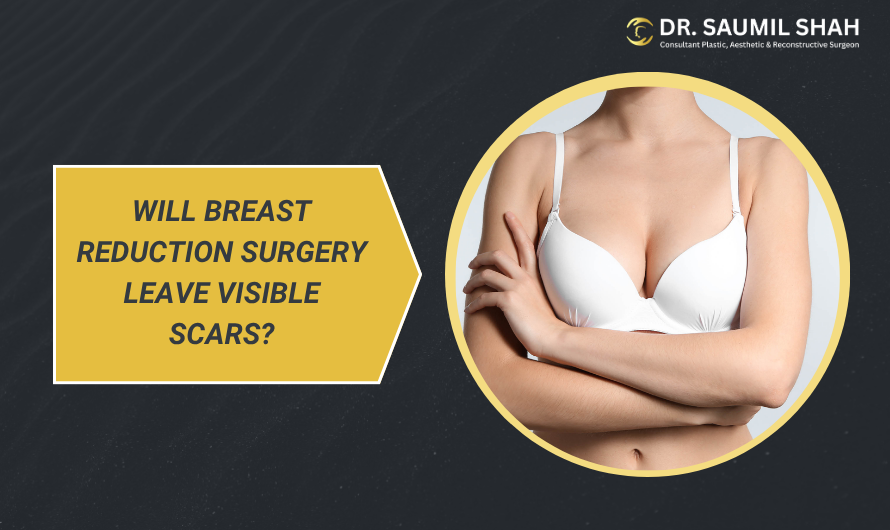
by One of the most common concerns women have before undergoing breast reduction surgery is whether the procedure will leave noticeable scars. While it’s natural to worry about scarring, it’s important to understand that some degree of scarring is an inevitable part of any surgical procedure. The good news is that modern surgical techniques are designed to place incisions as discreetly as possible, and most scars fade significantly over time.
If you’re considering Breast Reduction Surgery in Mumbai, discussing scar placement, healing, and aftercare with an experienced plastic surgeon can help you set realistic expectations and feel confident about your decision. Understanding what to expect before surgery can also help you achieve the best possible healing and cosmetic outcome.
Why Are Scars Unavoidable After Breast Reduction Surgery?
Breast reduction surgery involves removing excess breast tissue, fat, and skin to create a smaller, lighter, and more proportionate breast shape. To achieve this safely and effectively, surgical incisions are necessary.
Once the incisions heal, they naturally form scars. While scars cannot be completely eliminated, they usually become softer, flatter, and less noticeable as they mature over the following months.
The appearance of scars depends on several factors, including the surgical technique used, your skin type, genetics, and how well you follow your surgeon’s aftercare instructions.
Where Are the Scars Located?
The location and length of scars depend on the amount of breast tissue being removed and the surgical approach recommended for your anatomy.
The most commonly used incision patterns include:
Around the Areola (Periareolar Incision)
This incision follows the natural border of the areola, making the scar less noticeable as it blends with the change in skin color.
It is generally used for smaller reductions or specific cases.
Vertical (Lollipop) Incision
This technique includes:
- A circular incision around the areola
- A vertical incision extending from the areola to the breast crease
It is commonly used for moderate breast reductions and often results in less scarring than more extensive techniques.
Anchor (Inverted-T) Incision
For larger breast reductions, an anchor-shaped incision may be recommended.
It includes:
- Around the areola
- Vertically down to the breast fold
- Along the natural breast crease
Although this approach creates more extensive scars, it also allows the surgeon to remove larger amounts of tissue and reshape the breasts more effectively.
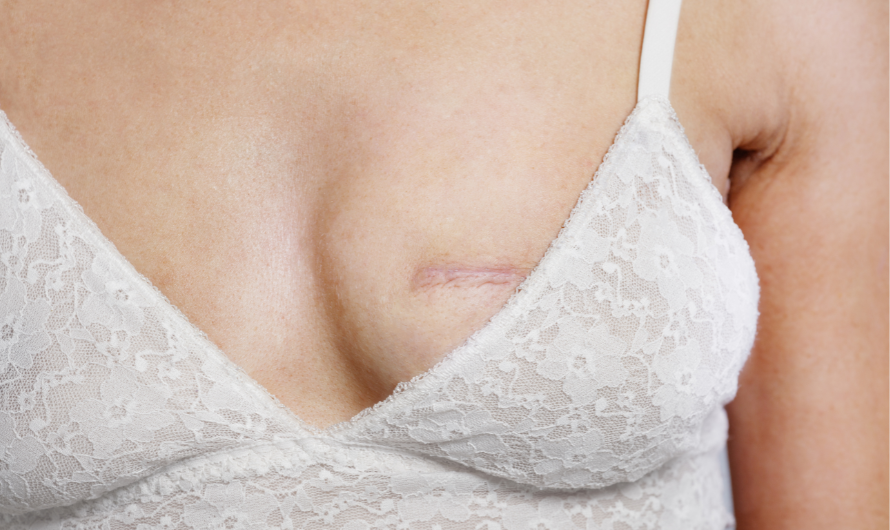
Will the Scars Be Visible?
Immediately after surgery, scars are usually:
- Pink or red
- Slightly raised
- Firm to touch
As healing progresses, most scars gradually become:
- Lighter in color
- Softer
- Flatter
- Less noticeable
Because many scars are placed around the areola and within the natural breast fold, they are often concealed by clothing, bras, swimsuits, and the natural contours of the breasts.
Complete scar maturation may take 12 to 18 months, although healing varies from person to person.
What Factors Affect Scar Healing?
Every individual heals differently.
Several factors influence how scars develop, including:
Skin Type and Genetics
Some people naturally heal with finer scars, while others may develop thicker or more noticeable scars.
Smoking
Smoking reduces blood supply to healing tissues, increasing the risk of delayed wound healing and more prominent scarring.
Nutrition
A balanced diet rich in protein, vitamins, and minerals supports healthy wound healing.
Sun Exposure
Fresh scars can darken when exposed to sunlight. Protecting healing scars from UV rays helps improve their long-term appearance.
Following Post-Operative Instructions
Carefully following your surgeon’s recommendations plays an important role in achieving the best cosmetic outcome.
How Can You Minimize Scars?
Although scars cannot be completely prevented, proper care can help them heal more smoothly.
Your surgeon may recommend:
- Keeping incisions clean and dry
- Wearing a supportive surgical bra
- Avoiding strenuous activities during early healing
- Protecting scars from direct sunlight
- Using scar management products when advised
- Attending all follow-up appointments
It is important not to begin scar treatments until your surgeon confirms that the incisions have healed adequately.
Will Scar Creams Remove Scars Completely?
No.
Scar creams and silicone-based products may improve the appearance of scars by helping them become softer and flatter, but they cannot make scars disappear entirely.
Patience is equally important, as scars naturally continue to improve over time.
Are There Any Risks of Abnormal Scarring?
Most patients heal with fine, acceptable scars. However, some individuals may develop:
- Hypertrophic scars
- Keloid scars (in people who are genetically prone)
Your surgeon will evaluate your medical history and discuss any increased risk if you have experienced abnormal scarring after previous surgeries.
Do the Benefits Outweigh the Scars?
For many women, the answer is yes.
While scars are permanent, they are often considered a worthwhile trade-off for the significant improvements that breast reduction surgery can provide, including:
- Relief from chronic neck and back pain
- Reduced shoulder strain
- Better posture
- Improved ability to exercise
- Easier clothing fit
- Enhanced confidence and body image
As scars continue to fade, many patients find that the physical and emotional benefits of surgery far outweigh concerns about their appearance.
Why Choose Dr. Saumil Shah?
Dr. Saumil Shah understands that achieving natural-looking results involves more than reducing breast size—it also requires careful surgical planning and meticulous incision placement.
During your consultation for Breast Reduction Surgery in Mumbai, he evaluates your anatomy, skin quality, breast size, and treatment goals to recommend the most appropriate surgical technique. Every effort is made to position incisions strategically, support optimal healing, and achieve balanced, aesthetically pleasing results while prioritizing your safety and long-term comfort.
Final Thoughts
Scarring is a natural part of the healing process after breast reduction surgery, but with modern surgical techniques and proper aftercare, most scars become significantly less noticeable over time. Understanding where scars are located, how they heal, and what you can do to support recovery helps set realistic expectations and reduces anxiety before surgery.
If you’re considering Breast Reduction Surgery in Mumbai, schedule a consultation with Dr. Saumil Shah to discuss your concerns about scarring, recovery, and expected results. A personalized treatment plan and expert guidance can help you achieve both lasting relief and natural-looking outcomes with confidence.