 by
by Breast augmentation is a widely performed cosmetic procedure that can enhance breast size, improve body proportions, and restore volume lost after pregnancy, breastfeeding, weight changes, or ageing. However, like any surgical procedure, breast augmentation has potential risks, and understanding them is an important part of making an informed decision.
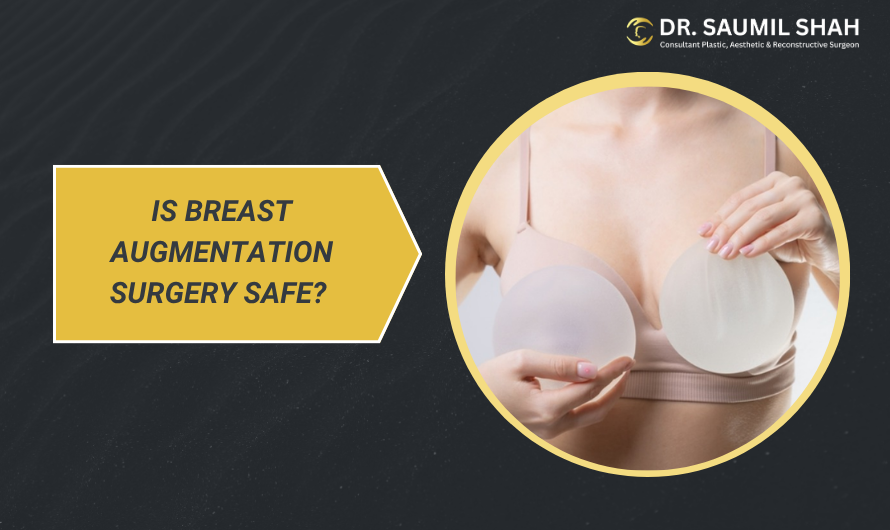
So, is Breast Augmentation Surgery safe?
For appropriately selected patients, when performed by a qualified and experienced plastic surgeon with proper surgical and anaesthesia care, breast augmentation can be performed safely. However, breast implants are medical devices and are not considered lifetime devices. Patients should understand both the short-term surgical risks and the possibility of implant-related complications or future surgery.
If you’re considering Breast Augmentation Surgery in Mumbai, a detailed consultation can help you understand whether the procedure is suitable for you, what type of implant may be appropriate, and what you can realistically expect from treatment.
What Is Breast Augmentation Surgery?
Breast augmentation, also known as augmentation mammoplasty, is performed to increase breast volume and improve breast shape and proportion.
Depending on the treatment plan, breast enhancement may involve:
- Silicone breast implants
- Saline breast implants
- Fat transfer in selected patients
When implants are used, they are positioned beneath the breast tissue or chest muscle, depending on factors such as your anatomy, amount of existing breast tissue, and desired result.
The objective is not simply to increase breast size but to create a balanced appearance that complements your natural body proportions.
Is Breast Augmentation Generally Safe?
Breast augmentation is considered an established cosmetic surgical procedure, but “safe” does not mean risk-free.
The FDA and professional plastic surgery organisations emphasize that patients should understand the potential complications before choosing breast implants. Common complications can include capsular contracture, implant rupture or deflation, infection, pain, changes in breast or nipple sensation, asymmetry, scarring, and the possibility of additional surgery.
Your individual risk depends on factors such as your health, implant type, surgical technique, lifestyle, and how your body heals.
What Are the Benefits of Breast Augmentation?
For women who are suitable candidates, breast augmentation can provide several aesthetic and emotional benefits.
Increased Breast Volume
Implants can provide a predictable increase in breast size.
Improved Body Proportion
Breast augmentation can help create greater balance between the breasts, chest, waist, and hips.
Restored Breast Volume
Some women experience loss of breast volume after pregnancy, breastfeeding, or significant weight loss. Augmentation can restore some of this lost fullness.
Improved Symmetry
Breast augmentation can sometimes help improve differences in breast size, although perfect symmetry cannot always be achieved.
Enhanced Confidence
Many patients report improved satisfaction with their appearance after achieving their desired breast shape and size.
What Are the Risks of Breast Augmentation?
Understanding potential complications is essential before surgery.
Capsular Contracture
The body naturally forms scar tissue around a breast implant. In some patients, this capsule can become unusually tight or firm, causing the breast to feel hard or appear distorted.
Implant Rupture
An implant can develop a tear or rupture over time. Silicone implant ruptures can sometimes be “silent,” meaning there may be no obvious symptoms. Imaging such as MRI or ultrasound may be used to evaluate implant integrity when appropriate.
Infection
Although uncommon, infection can occur after surgery. In some cases, an implant may need to be removed if an infection does not respond adequately to treatment.
Changes in Sensation
Some women experience increased or decreased sensitivity in the nipple or breast. These changes may be temporary or, in some cases, persistent.
Asymmetry or Implant Position Changes
Implants can shift or sit differently over time, potentially affecting breast symmetry or appearance.
Scarring
Incisions naturally leave scars. Their visibility depends on the incision location, individual healing characteristics, and postoperative care.
Additional Surgery
Breast implants may eventually require revision, removal, or replacement because complications can occur as implants age. The FDA states that breast implants are not lifetime devices and that the likelihood of complications increases the longer they remain in place.
Is Breast Implant-Associated Cancer a Risk?
Patients should also be aware of a rare condition called breast implant-associated anaplastic large cell lymphoma (BIA-ALCL).
BIA-ALCL is not breast cancer. It is a type of lymphoma that most often develops in the scar tissue or fluid surrounding a breast implant. The overall risk is considered low, but patients should know about it before choosing implants.
Persistent swelling, a mass, or pain around a breast implant—particularly years after surgery—should be evaluated by a healthcare professional.
The FDA has also reported very rare cases of other cancers, including squamous cell carcinoma and other lymphomas, in the capsule surrounding breast implants. These remain uncommon and are an area of ongoing monitoring.
What Happens During Breast Augmentation?
The exact surgical technique depends on your anatomy and treatment plan.
Generally, the procedure involves:
Step 1: Anaesthesia
Breast augmentation is performed under appropriate anaesthesia selected by the surgical and anaesthesia team.
Step 2: Incision
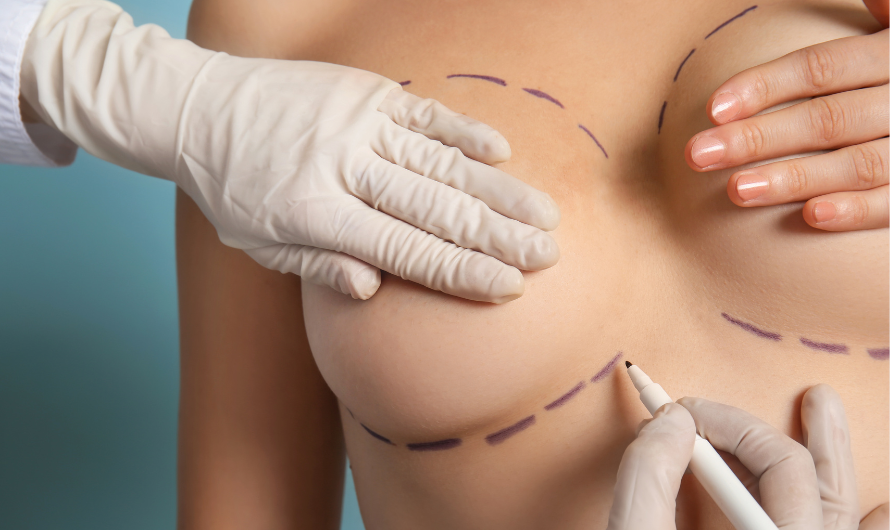
The surgeon makes an incision in a planned location, such as beneath the breast, around the areola, or another appropriate approach.
Step 3: Creating the Implant Pocket
A pocket is created either beneath the breast tissue or partially/fully beneath the chest muscle, depending on the patient’s anatomy.
Step 4: Implant Placement
The selected implant is positioned carefully to achieve the desired breast shape and projection.
Step 5: Closing the Incision
The incision is closed and postoperative dressings or a supportive garment may be applied.
The surgical approach is personalised rather than identical for every patient.
What Is Breast Augmentation Recovery Like?
Recovery varies depending on the surgical technique, implant placement, and individual healing.
First Few Days
You may experience:
- Swelling
- Tightness
- Mild to moderate discomfort
- Temporary changes in sensation
- Limited arm movement
Pain medication prescribed by your surgeon can help manage discomfort.
First Week
Many patients gradually return to light daily activities. However, strenuous activity and heavy lifting should be avoided until your surgeon gives clearance.
Two to Six Weeks
Swelling and tightness gradually improve. You can progressively return to normal activities according to your surgeon’s instructions.
Following Months
The breasts continue to settle and soften, and scars gradually mature. Final results develop progressively rather than immediately after surgery.
How Can You Make Breast Augmentation Safer?
Choosing an experienced plastic surgeon is one of the most important factors in reducing avoidable risks.
Before surgery, discuss:
- Your medical history
- Current medications
- Previous breast surgery
- Family history of breast conditions
- Smoking or nicotine use
- Your desired breast size
- Implant type and characteristics
- Implant placement
- Expected recovery
- Long-term implant monitoring
You should also receive clear information about the specific implant being considered and its patient information materials.
Do Breast Implants Need Regular Monitoring?
Yes.
Breast implants require long-term awareness and monitoring. They are not designed to last forever, and some patients eventually require additional surgery.
For silicone implants, the FDA recommends imaging surveillance for silent rupture, with ultrasound or MRI used according to current recommendations and individual circumstances.
This monitoring is separate from routine breast cancer screening. Women with breast implants should continue appropriate breast health checks and mammography according to their age and individual risk.
Can Breast Augmentation Affect Breastfeeding?
Breast augmentation does not automatically mean that you cannot breastfeed in the future. However, the ability to breastfeed can vary depending on factors such as the surgical technique, incision location, individual anatomy, and other circumstances.
If future pregnancy or breastfeeding is important to you, discuss this with your surgeon before choosing the procedure.
Who Is a Good Candidate for Breast Augmentation?
A suitable candidate generally:
- Is in good overall health
- Has realistic expectations
- Understands the potential risks
- Has stable breast size and body weight
- Is prepared to follow postoperative instructions
- Understands the long-term considerations associated with implants
A consultation is essential because suitability cannot be determined from breast size alone.
Why Choose Dr. Saumil Shah?
Choosing the right surgeon is just as important as choosing the right implant.
Dr. Saumil Shah takes a personalised approach to breast augmentation, considering your:
- Body proportions
- Existing breast tissue
- Breast shape and symmetry
- Skin quality
- Lifestyle
- Desired outcome
The aim is to create natural-looking, proportionate results while prioritising patient safety and long-term satisfaction.
If you’re considering Breast Augmentation Surgery in Mumbai, a detailed consultation can help you understand whether implants are appropriate for you and which surgical approach best matches your goals.
Final Thoughts
Breast augmentation can be a safe and effective option for appropriately selected patients, but it is important to understand that no surgery or medical device is completely risk-free. Breast implants can be associated with complications such as capsular contracture, rupture, infection, changes in sensation, asymmetry, and the possibility of future surgery. Rare implant-associated cancers also need to be discussed as part of informed consent.
If you’re considering Breast Augmentation Surgery in Mumbai, schedule a consultation with Dr. Saumil Shah to discuss your goals, implant options, potential risks, recovery, and long-term care. A personalised assessment can help you make an informed decision and determine whether breast augmentation is the right choice for you.