 by
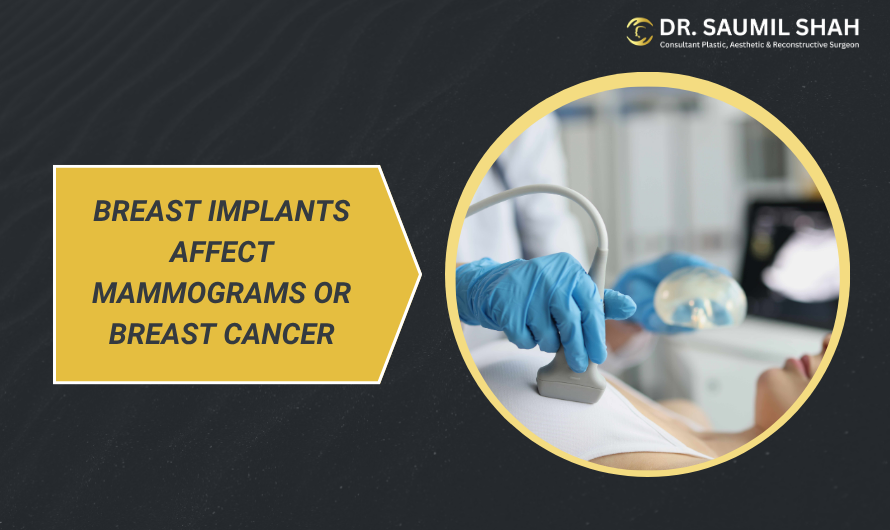
by If you’re considering breast implants, you may have questions that go beyond appearance and recovery. One important concern is whether implants can make it more difficult to detect breast cancer during routine screening.
The reassuring answer is that women with breast implants can and should continue to have recommended breast cancer screening. However, implants can obscure some breast tissue on standard mammogram images, which means the imaging team may use additional views and specialised techniques to examine the breast more thoroughly.
If you’re considering Breast Implants in Mumbai, understanding how implants may affect future mammograms is an important part of making an informed decision. Discussing screening, implant placement, and long-term follow-up with your plastic surgeon before surgery can help you know what to expect.
Can You Have a Mammogram With Breast Implants?
Yes. Having breast implants does not mean you cannot undergo a mammogram.
Women with implants should generally follow breast cancer screening recommendations appropriate for their age, personal risk factors, family history, and medical advice.
The key difference is that the radiology team needs to know you have breast implants before the examination.
This allows them to adjust the imaging technique and obtain appropriate mammographic views.
Why Can Breast Implants Make Mammograms More Challenging?

During a mammogram, X-ray images are taken to examine breast tissue for abnormalities.
Breast implants are not transparent to X-rays in the same way as natural breast tissue. Depending on their size and position, they may obscure a portion of the tissue on routine mammographic views.
This doesn’t mean that mammography becomes ineffective. Instead, additional images may be required so that more of the natural breast tissue can be adequately visualised.
What Are Implant Displacement Views?
For women with breast implants, the mammography technologist may take additional images known as implant displacement views.
During these views, the implant is gently moved backward toward the chest wall while the natural breast tissue is pulled forward and compressed for imaging.
This technique allows the radiologist to examine more breast tissue than may be visible on standard mammogram images.
Because additional views may be required, a mammogram for a woman with implants can sometimes take slightly longer than a routine screening mammogram.
Should You Tell the Mammography Centre About Your Implants?
Absolutely.
When booking your mammogram, inform the imaging centre that you have breast implants. This allows them to ensure that appropriate equipment and an experienced technologist are available.
On the day of your screening, remind the technologist about your implants before the examination begins.
It can also be useful to provide information about:
- The type of implant you have
- When your breast augmentation was performed
- Implant placement, if known
- Previous breast surgeries
- Any current breast symptoms or changes
Never assume the imaging team already has this information.
Can a Mammogram Rupture a Breast Implant?
Implant damage during mammography is considered uncommon, but patients naturally worry about the pressure used during breast compression.
An experienced mammography technologist knows how to position breasts with implants appropriately. This is another reason to choose an imaging facility experienced in screening patients who have undergone breast augmentation.
If you have concerns about an older implant or suspect that an implant may already be damaged, tell your doctor and radiology team before screening.
Does Implant Placement Make a Difference?
Implants are generally placed either:
- Above the chest muscle
- Partially or completely beneath the chest muscle
Implant position can influence how easily breast tissue can be moved forward during mammography.
For some patients, implants positioned behind the chest muscle may allow easier displacement of breast tissue during specialised mammographic views. However, implant placement should not be chosen solely on the basis of mammography.
When planning Breast Implants in Mumbai, your surgeon will consider several factors, including:
- Your natural breast tissue
- Chest dimensions
- Skin quality
- Implant size
- Desired appearance
- Lifestyle
- Overall anatomy
Do Breast Implants Increase the Risk of Breast Cancer?
Breast implants themselves have not been shown to increase the risk of typical breast cancer.
However, certain breast implants have been associated with rare conditions involving the tissue or capsule surrounding the implant. These are different from conventional breast cancer.
This is why long-term follow-up and awareness of unusual breast changes remain important after breast augmentation.
If you notice persistent swelling, a new lump, pain, changes in breast shape, or other unusual symptoms, you should seek medical evaluation rather than waiting for your next routine screening.
Can Ultrasound Be Used With Breast Implants?
Yes. Breast ultrasound can be safely performed in women with breast implants.
Ultrasound may be recommended to:
- Investigate a breast lump
- Evaluate an abnormal mammogram finding
- Examine certain areas of breast tissue
- Assess some implant-related concerns
However, ultrasound is not automatically a replacement for routine mammography. The appropriate imaging test depends on your age, symptoms, risk profile, and your doctor’s recommendations.
What About Breast MRI?
MRI can play two different roles in women with breast implants.
First, breast MRI may be recommended for certain women who have a high risk of developing breast cancer.
Second, MRI may sometimes be used to assess the condition of silicone breast implants, particularly when implant rupture is suspected or when implant surveillance is recommended.
These are different purposes, so having an MRI to assess an implant does not necessarily replace breast cancer screening.
Breast Cancer Screening After Breast Augmentation
Having breast augmentation does not remove the need for routine breast health monitoring.
After surgery, continue to:
- Follow screening recommendations given by your doctor
- Attend routine clinical examinations when advised
- Be aware of changes in your breasts
- Inform imaging professionals about your implants
- Keep information about your implant type and surgery
- Seek medical attention for unusual breast symptoms
Your screening schedule may differ if you have a strong family history or other factors that increase your breast cancer risk.
Should You Have a Mammogram Before Breast Augmentation?
Not every patient automatically requires a mammogram before breast augmentation.
Whether screening is appropriate before surgery depends on factors such as:
- Age
- Personal medical history
- Family history
- Previous breast abnormalities
- Existing symptoms
- Current screening recommendations
Your plastic surgeon may recommend appropriate breast evaluation before surgery based on your individual situation.
If you notice a lump, nipple discharge, unexplained breast changes, or another concerning symptom before surgery, it is important to mention it during your consultation.
What Should You Discuss With Your Plastic Surgeon?
Before breast augmentation, don’t hesitate to ask questions about your long-term breast health.
Useful questions include:
- Will implants affect my future mammograms?
- Which implant placement is appropriate for my anatomy?
- What breast screening should I have before surgery?
- How should I monitor my implants over time?
- What symptoms should prompt an examination?
- Will I need additional imaging in the future?
Breast augmentation planning should consider not only your immediate aesthetic goals but also your long-term health and follow-up.
Why Choose Dr. Saumil Shah?
Choosing breast implants is a highly personal decision. Implant size and appearance are important, but so are safety, long-term monitoring, and realistic expectations.
Dr. Saumil Shah provides personalised breast augmentation planning based on each patient’s anatomy, existing breast tissue, body proportions, and aesthetic goals. Patients considering Breast Implants in Mumbai can also discuss questions about future mammograms, implant monitoring, recovery, and long-term breast care during their consultation.
The goal is to create natural, proportionate results while helping patients make a well-informed decision about their procedure.
Final Thoughts
Breast implants can make mammography slightly more complex because they may obscure some natural breast tissue, but they do not prevent women from undergoing breast cancer screening. Specialised mammographic views and, when medically appropriate, other imaging techniques can help doctors evaluate breast tissue effectively.
If you’re considering Breast Implants in Mumbai, schedule a consultation with Dr. Saumil Shah to discuss not only your desired size and shape but also implant placement, safety, future screening, and long-term follow-up. Understanding these factors before surgery can help you approach breast augmentation with realistic expectations and greater confidence.