 by
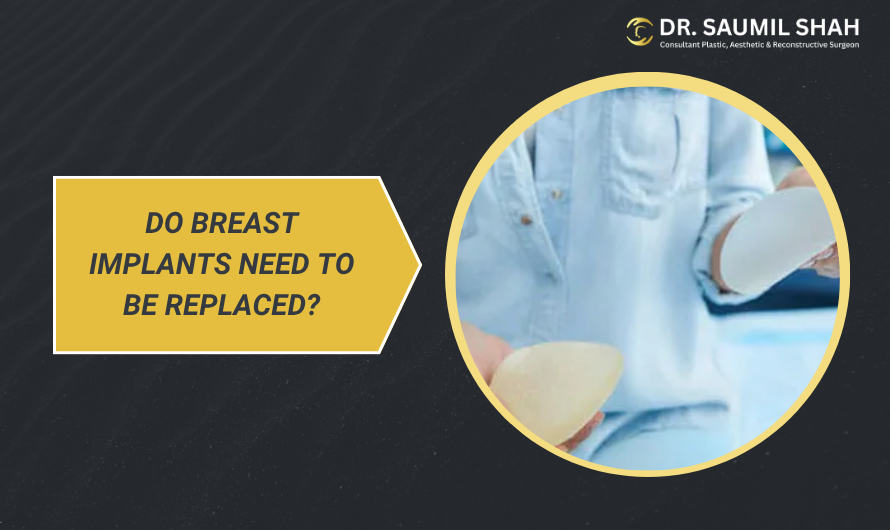
by If you are considering breast augmentation or already have breast implants, one of the most common questions is: Do breast implants need to be replaced after 10 years? The answer is not as simple as a fixed replacement date. Modern breast implants are designed to be durable, but they are not considered lifetime devices, and some women may eventually need additional surgery because of implant-related complications or changes in their breasts.
If you are considering a Breast implant in Mumbai, understanding how implants can change over time, when replacement may be recommended, and what follow-up involves can help you make a more informed decision.
Do Breast Implants Have to Be Replaced Every 10 Years?
No. There is no universal rule that breast implants must be replaced every 10 years.
The lifespan of an implant varies from person to person. Some women may have their implants for many years without requiring replacement, while others may need additional surgery earlier because of rupture, capsular contracture, changes in breast shape, or other concerns.
The FDA notes that the longer breast implants remain in place, the greater the likelihood of developing complications that could require additional surgery. However, this does not mean that an otherwise healthy implant must automatically be removed at a specific time.
Instead of replacing implants simply because a certain number of years have passed, ongoing monitoring and evaluation are important.
Why Might Breast Implants Need to Be Replaced?
There are several reasons why a woman may eventually undergo implant replacement or revision surgery.
1. Implant Rupture
A breast implant has an outer shell that can develop a tear or hole over time.
With saline implants, rupture generally causes the implant to lose volume as the saline is absorbed by the body, resulting in noticeable deflation.
Silicone gel implants can develop what is known as a silent rupture, where there may be no obvious change in breast appearance or feel.
The FDA states that MRI is the most effective imaging method for detecting silent rupture of silicone gel-filled implants, while ultrasound can also be used as an option for rupture screening in appropriate situations.
If an implant has ruptured, your surgeon can discuss whether removal, replacement, or another approach is appropriate.
2. Capsular Contracture
After an implant is placed, the body naturally forms scar tissue around it. This is called a capsule.
Sometimes the capsule becomes unusually tight or thickened. This condition is known as capsular contracture.
It may cause:
- Breast firmness
- Tightness
- Changes in breast shape
- Discomfort or pain
- An unnatural appearance
More significant capsular contracture may require revision surgery, which can involve implant removal, replacement, treatment of the capsule, or a combination of procedures.
3. Changes in Breast Shape
Your breasts continue to change naturally after augmentation.
Pregnancy, breastfeeding, ageing, significant weight fluctuations, and changes in skin elasticity can affect breast shape over time.
An implant may remain intact while the surrounding breast tissue changes.
In such situations, you may not necessarily need implant replacement. Depending on the concern, your surgeon may discuss options such as a breast lift, implant exchange, or another revision procedure.
4. Implant Position Changes
An implant can sometimes shift or become displaced from its original position.
Possible changes include:
- Implant sitting too high or low
- Movement toward the side
- Differences between the two breasts
- Changes in breast contour
Treatment depends on the cause and severity of the problem.
5. You Want a Different Size or Style
Not every implant replacement is performed because something is medically wrong.
Some women choose revision surgery because their aesthetic preferences have changed.
For example, you may later decide that you would prefer:
- A smaller implant
- A larger implant
- A different implant profile
- A different implant shape
- Implant removal without replacement
Your surgeon can discuss the potential benefits and limitations of each option.
Can You Keep the Same Implants for More Than 10 Years?
Yes, it is possible.
There is no automatic requirement to replace an implant simply because it has been in place for 10 years.
However, having implants for a longer period means there is more time for complications to potentially develop. The FDA specifically advises that breast implants are not lifetime devices and that the likelihood of complications increases with time.
This is why long-term follow-up matters even when your breasts look and feel normal.
How Do You Know If Something Is Wrong With an Implant?
Some implant complications can cause noticeable symptoms, while others may not.
You should contact your surgeon or healthcare provider if you notice a new or unusual change such as:
- Sudden change in breast size
- Change in breast shape
- Persistent swelling
- New breast pain
- Increasing firmness
- Significant asymmetry
- A lump or unusual change around the implant
- Changes in sensation
- Persistent discomfort
A new change does not automatically mean that your implant has ruptured. However, it should be evaluated rather than ignored.
What Is a Silent Rupture?
A silent rupture is a rupture of a silicone gel-filled implant that does not cause obvious symptoms.
You may not notice:
- A change in breast size
- A visible change in shape
- Pain
- Hardness
This is why appropriate imaging can be important for people with silicone implants.
The FDA recommends that patients follow current implant-specific monitoring guidance and discuss appropriate imaging with their healthcare provider.
Do Breast Implants Need Regular Check-Ups?
Yes.
Having no symptoms does not mean you should completely forget about your implants.
Your surgeon can advise you about appropriate follow-up based on:
- Type of implant
- Age of the implant
- Your medical history
- Symptoms
- Physical examination
- Manufacturer recommendations
- Current imaging guidance
For silicone implants, imaging may be recommended to evaluate for silent rupture. The appropriate timing and method should be discussed with your healthcare provider.
What Happens If an Implant Ruptures?
The management depends on the type of implant and the individual’s circumstances.
Saline implant rupture
A saline implant may deflate relatively quickly, making the change noticeable. Your surgeon can evaluate the breast and discuss removal and possible replacement.
Silicone implant rupture
A silicone rupture may be silent and may require imaging for confirmation.
If a silicone implant is confirmed to have ruptured, your surgeon can discuss appropriate surgical management.
The decision may involve:
- Implant removal
- Implant replacement
- Treatment of surrounding scar tissue
- Breast lift if necessary
- Changing implant size or type
The right approach depends on your individual anatomy and preferences.
What Happens If You Remove Implants Without Replacing Them?
Replacement is not mandatory in every case.
Some women decide to have their implants removed and not replaced.
However, the appearance of the breasts after removal can vary depending on factors such as:
- Original breast size
- Implant size
- Duration of implantation
- Skin elasticity
- Amount of natural breast tissue
- Changes caused by pregnancy or weight fluctuations
The FDA notes that implant removal without replacement can sometimes result in dimpling, puckering, wrinkling, tissue loss, or sagging.
A breast lift or another procedure may sometimes be considered if additional reshaping is desired.
Can You Replace Old Implants With New Ones?
Yes, implant exchange is a common type of revision surgery.
During an implant exchange, the surgeon removes the existing implants and places new ones.
Depending on your circumstances, the procedure may also involve:
- Changing implant size
- Changing implant profile
- Adjusting implant position
- Treating capsular contracture
- Correcting asymmetry
- Performing a breast lift
Revision surgery is different from the original augmentation because the surgeon must consider changes that have occurred since the first operation.
Does Implant Replacement Mean Starting Over?
Not necessarily.
Revision surgery is planned according to your current breast anatomy rather than simply repeating the original procedure.
For example, your breast tissue and skin may have changed significantly since your initial augmentation.
Your surgeon may therefore recommend a different implant size, placement, or additional procedure to achieve an appropriate result.
Can Pregnancy or Weight Changes Affect Breast Implants?
Breast implants themselves may remain intact while the surrounding breast tissue changes.
Pregnancy, breastfeeding, weight gain, and weight loss can stretch or alter breast tissue and skin.
After these changes, some women may develop breast sagging or differences in breast shape.
If this happens, implant replacement may or may not be necessary. Your surgeon can determine whether the concern is related to the implant, the surrounding breast tissue, or both.
Are Breast Implants Safe to Keep Long-Term?
Breast implants are widely used medical devices, but they are not risk-free.
Potential complications include:
- Implant rupture
- Capsular contracture
- Pain
- Infection
- Changes in breast or nipple sensation
- Implant displacement
- Asymmetry
- Wrinkling or rippling
- Additional surgery
The FDA also recognizes rare implant-associated cancers, including breast implant-associated anaplastic large cell lymphoma (BIA-ALCL). It is important to discuss the specific risks associated with your implant type and surface characteristics with your surgeon.
This does not mean that every woman with breast implants will experience these complications. It means that long-term awareness and appropriate medical follow-up are important.
What Should You Consider Before Getting Breast Implants?
If you are considering a Breast implant in Mumbai, it is useful to think beyond the immediate cosmetic result.
During your consultation, ask about:
- Implant type and manufacturer
- Implant size and profile
- Implant placement
- Expected recovery
- Possible complications
- Long-term monitoring
- Signs of rupture or other complications
- What happens if you eventually want the implants removed
- The possibility of future revision surgery
Understanding these factors before surgery can help you make a more informed decision.
Choosing a Surgeon for Breast Implant Surgery
The quality of your consultation and surgical planning can have a major role in your overall experience.
When looking for a surgeon for a Breast implant in Mumbai, consider their qualifications, experience with breast augmentation and revision procedures, approach to implant selection, safety practices, and follow-up care.
Avoid choosing an implant solely based on size or price. Your surgeon should evaluate your anatomy and help you understand which options are appropriate for your goals.
Frequently Asked Questions
Do breast implants need to be replaced after 10 years?
Not automatically. There is no fixed 10-year replacement rule. Breast implants are not lifetime devices, and the likelihood of complications increases with time, but replacement is generally considered when there is a complication, a significant change in breast appearance, or a patient’s decision to undergo revision.
How long can breast implants last?
There is no guaranteed lifespan for an individual implant. Some remain in place for many years, while others require removal or replacement earlier because of complications.
What are the signs that an implant needs to be replaced?
Possible signs include rupture, deflation, persistent pain, significant firmness, capsular contracture, implant displacement, or substantial changes in breast shape. However, some implant problems—particularly silicone implant rupture—may not cause symptoms.
Can I keep my implants if they are working well?
In many cases, yes. If you have no concerning symptoms and your surgeon is satisfied with the condition of your implants, there may be no reason to replace them solely because they have reached a certain age.
Is implant removal possible without replacement?
Yes. Some women choose implant removal without replacement. However, breast shape may change after removal, and some patients may benefit from additional procedures such as a breast lift.
Will I need another surgery in the future?
It is possible. Because breast implants are not lifetime devices, patients should understand that additional surgery may eventually be required, although it is impossible to predict exactly when or whether an individual will need it.
Final Thoughts
Breast implants do not automatically need to be replaced every 10 years. Instead, they require long-term awareness and appropriate follow-up because they are not lifetime medical devices. Some women may eventually need implant replacement because of rupture, capsular contracture, changes in breast tissue, implant displacement, or personal preferences, while others may keep their implants for many years without needing revision.
If you are considering a Breast implant in Mumbai, or you already have implants and are wondering whether they need to be replaced, Dr. Saumil Shah can assess your individual situation and discuss your options. Book a consultation to understand the condition of your implants and whether continued monitoring, implant exchange, removal, or another approach may be appropriate for you.