 by
by Breathing through your nose should be effortless, but if you constantly feel one nostril is blocked, struggle with nasal congestion, or wake up feeling tired despite a full night’s sleep, a deviated nose could be the underlying cause. Many people live with these symptoms for years without realizing they are caused by a structural problem rather than allergies or recurrent colds.
If persistent nasal blockage is affecting your daily life, consulting a deviated septum specialist in Mumbai can help identify the cause and determine the most appropriate treatment. Whether your symptoms are mild or severe, early diagnosis can prevent long-term complications and improve your quality of life.
What Is a Deviated Nose?
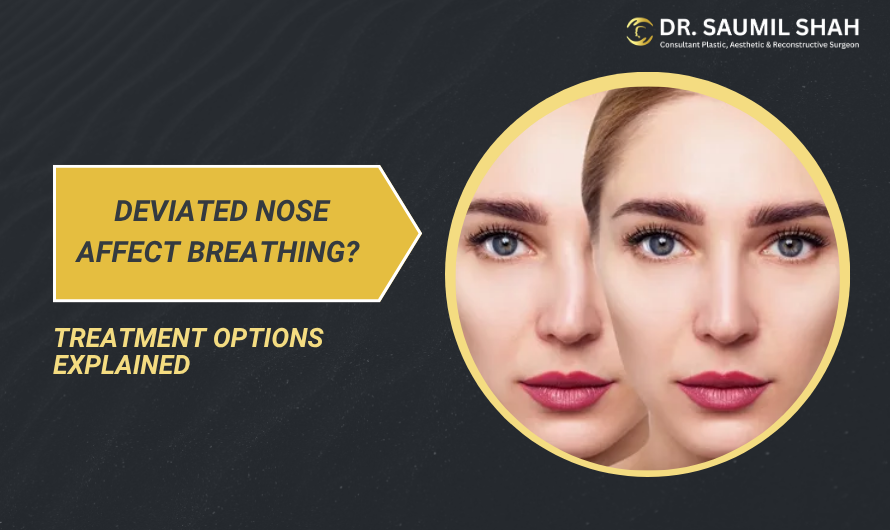
A deviated nose occurs when the nasal septum—the wall of cartilage and bone separating the two nostrils—is displaced from the center.
While slight deviations are common and may not cause symptoms, a significantly deviated septum can reduce airflow through one or both nostrils.
This condition may be:
- Present from birth
- Caused by a nasal injury
- The result of sports-related trauma
- Due to previous fractures
- Associated with natural facial growth
When the deviation becomes severe, it can interfere with normal breathing and sinus function.
How Does a Deviated Nose Affect Breathing?
The primary function of the nasal passages is to filter, warm, and humidify the air before it reaches your lungs. When the septum is crooked, one nasal passage becomes narrower, making it difficult for air to flow freely.
As a result, you may experience:
Chronic Nasal Blockage
Many patients feel that one side of the nose is constantly blocked, making breathing uncomfortable.
Mouth Breathing
Because nasal airflow is reduced, many people unknowingly breathe through their mouth, especially during sleep.
Difficulty During Exercise
Restricted airflow can make physical activity feel more tiring and reduce exercise endurance.
Reduced Oxygen Intake During Sleep
Poor nasal breathing may contribute to restless sleep, fatigue, and daytime drowsiness.
Other Symptoms of a Deviated Septum
Breathing difficulty is only one of several symptoms.
Patients may also experience:
- Frequent sinus infections
- Chronic nasal congestion
- Snoring
- Nosebleeds
- Facial pain or pressure
- Headaches
- Postnasal drip
- Dry mouth due to mouth breathing
If these symptoms persist despite medications, further evaluation is recommended.
Can a Deviated Nose Cause Snoring?
Yes.
When nasal airflow is restricted, your body naturally compensates by breathing through the mouth during sleep.
This can increase the likelihood of:
- Snoring
- Poor sleep quality
- Dry mouth
- Interrupted sleep
Although a deviated septum is not the only cause of snoring, correcting significant nasal obstruction often improves nighttime breathing.
Can It Lead to Recurrent Sinus Infections?
Absolutely.
A deviated septum may block the normal drainage pathways of the sinuses.
Poor drainage allows mucus to accumulate, increasing the risk of:
- Recurrent sinus infections
- Facial pressure
- Thick nasal discharge
- Persistent congestion
Correcting the underlying structural obstruction often reduces the frequency of sinus-related problems.
How Is a Deviated Septum Diagnosed?
An experienced deviated septum specialist in Mumbai will begin with a detailed medical history and physical examination.
Your assessment may include:
- Evaluation of nasal airflow
- Internal examination of the nose
- Review of breathing symptoms
- Assessment of sinus-related problems
- Discussion of previous injuries or surgeries
Additional investigations may be recommended if necessary.
Treatment Options for a Deviated Nose
Treatment depends on the severity of the deviation and the impact on your daily life.
Non-Surgical Treatment
Patients with mild symptoms may benefit from conservative management.
Options include:
- Saline nasal sprays
- Steroid nasal sprays
- Allergy medications
- Short-term decongestants
These treatments help relieve symptoms but do not straighten the septum.
Surgical Treatment (Septoplasty)
When symptoms are significant or persistent, surgery may be recommended.
Septoplasty is the most common procedure for correcting a deviated septum.
During surgery, the surgeon:
- Straightens the septum
- Repositions cartilage and bone
- Removes obstructing tissue when required
- Improves airflow through both nostrils
The procedure is performed through the inside of the nose, so there are usually no visible external scars.
If cosmetic correction is also desired, a combined septorhinoplasty may be advised.
Benefits of Deviated Nose Surgery

Many patients experience substantial improvements after surgery.
Benefits may include:
- Easier breathing
- Better sleep quality
- Reduced nasal congestion
- Fewer sinus infections
- Less snoring
- Improved exercise tolerance
- Enhanced overall quality of life
Recovery After Deviated Nose Surgery
Recovery is generally straightforward.
First Week
Patients may notice:
- Mild swelling
- Temporary congestion
- Minor discomfort
- Gradual improvement in breathing
Two to Four Weeks
- Swelling continues to decrease
- Nasal airflow improves
- Most normal activities resume
Complete healing occurs gradually over the following months.
When Should You See a Specialist?
You should consider consulting a deviated septum specialist in Mumbai if you experience:
- Persistent nasal blockage
- Difficulty breathing through one or both nostrils
- Recurrent sinus infections
- Snoring due to nasal obstruction
- Frequent nosebleeds
- Symptoms that do not improve with medication
Early diagnosis allows appropriate treatment before symptoms worsen.
Why Choose Dr. Saumil Shah?
Dr. Saumil Shah provides comprehensive evaluation and personalized treatment for patients with breathing difficulties caused by a deviated septum.
Each patient receives an individualized assessment based on:
- Nasal anatomy
- Functional concerns
- Symptom severity
- Lifestyle needs
- Treatment goals
If deviated nose surgery in Mumbai is recommended, the treatment plan is designed to improve breathing while preserving natural nasal structure and facial harmony.
Final Thoughts
A deviated nose can have a significant impact on your breathing, sleep, sinus health, and overall well-being. While mild cases may respond to medications, persistent symptoms often require a more definitive solution. If you continue to experience nasal blockage, mouth breathing, or recurrent sinus infections, don’t ignore the signs.
Schedule a consultation with Dr. Saumil Shah, an experienced deviated septum specialist in Mumbai, to understand the cause of your symptoms and explore the most suitable treatment options. If deviated nose surgery in Mumbai is recommended, timely treatment can help you breathe easier, sleep better, and enjoy a healthier, more active life.