 by
by You’ve worked hard, lost weight, and finally see the difference in your clothes, your face, even your energy levels — but that stubborn pocket of fat under your chin just won’t budge. If this sounds familiar, you’re not alone. Many people who successfully lose weight are surprised to find their double chin remains largely unchanged. Understanding why this happens — and what can actually be done about it — is the first step toward a more defined jawline. If diet and exercise haven’t worked for you, consulting an experienced double chin treatment specialist in Mumbai can help you understand your options.
What Causes a Double Chin?
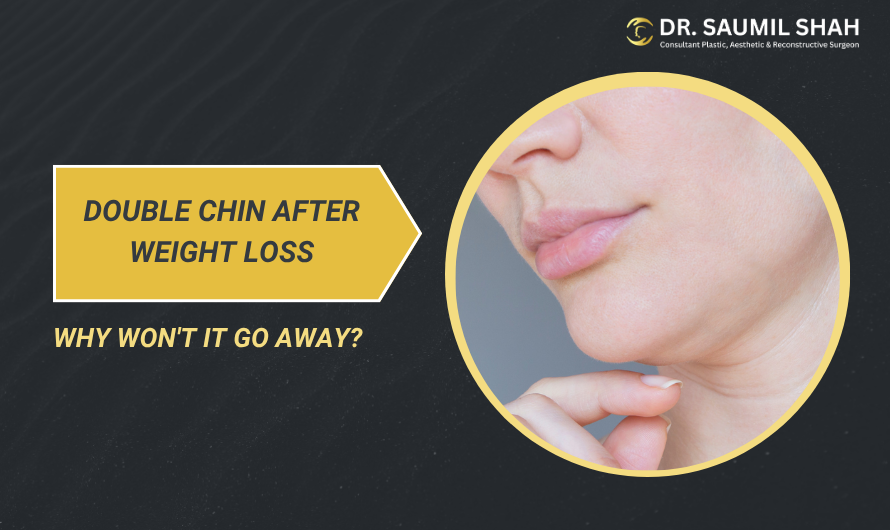
A double chin, medically referred to as submental fat, is a layer of fat that accumulates beneath the chin and above the neck. It can occur for several reasons, and weight is only one of them.
Common causes include:
- Genetics – fat distribution patterns are often inherited
- Ageing – reduced skin elasticity allows fat and tissue to sag
- Poor posture – habitually looking down (at phones or laptops) can weaken neck muscles
- Weak jawline structure – naturally recessed chins make submental fat more noticeable
- Weight fluctuations – fat cells in this area can persist even after fat loss elsewhere
This is why some people with an otherwise slim body still have a visible double chin.
Why Weight Loss Doesn’t Always Fix It
1. Fat Cells Don’t Disappear, They Shrink
When you lose weight, your body doesn’t eliminate fat cells — it shrinks them. Some areas, like the submental region, are naturally more resistant to shrinking, meaning fat can remain visible there even after significant weight loss elsewhere.
2. Genetics Determine Fat Storage
Where your body stores and releases fat is largely determined by genetics. Some people are simply predisposed to hold onto fat under the chin regardless of their overall body weight.
3. Skin Laxity After Weight Loss
Rapid or significant weight loss can leave behind loose, lax skin. Even if the fat volume has reduced, sagging skin under the chin can create the appearance of a double chin.
4. Ageing and Loss of Elasticity
As collagen and elastin production slows with age, the skin and muscles under the chin lose firmness. This allows fat and soft tissue to droop, even in people who are not overweight.
5. Structural Factors
A naturally small or recessed chin (called microgenia) can make even a small amount of submental fat look more prominent, because there isn’t enough bone projection to balance it out.
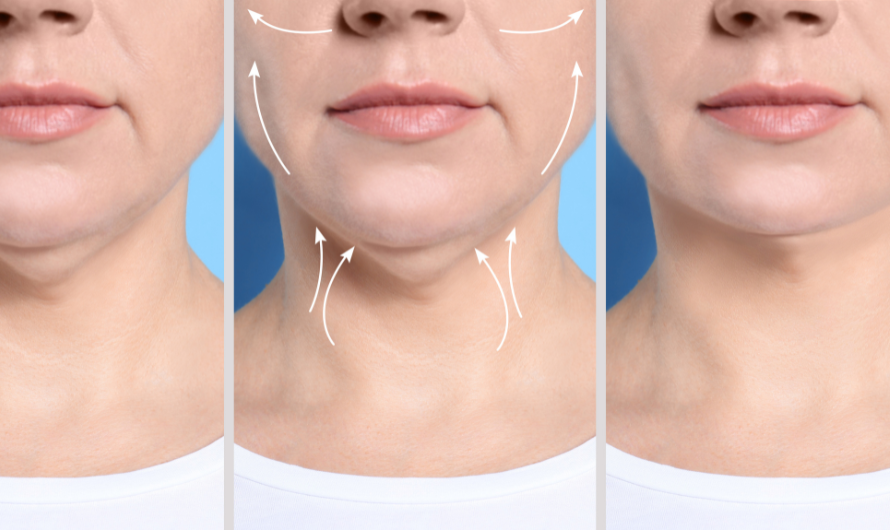
Signs Your Double Chin May Need Professional Treatment
- The fat remains visible despite a healthy weight and consistent exercise
- Skin under the chin appears loose or sagging
- The chin profile looks undefined from the side
- You feel self-conscious in photos or video calls
- Non-surgical attempts (creams, exercises, facial massages) have shown little to no result
If any of these apply to you, it may be time to consult a specialist for proper double chin treatment rather than continuing to rely on diet and exercise alone.
Non-Surgical and Surgical Treatment Options
Treatment depends on the underlying cause — fat volume, skin laxity, or bone structure — and is usually recommended after a detailed facial assessment.
Chin Liposuction
A minimally invasive procedure that removes excess fat from beneath the chin through small incisions, sculpting a more defined jawline. Chin liposuction is one of the most effective options for isolated submental fat that hasn’t responded to weight loss, and can be performed using precision HD liposuction techniques for finer contouring.
Neck Lift
For patients with loose or sagging skin, a neck lift tightens the underlying muscle and skin, addressing both fat and laxity for a more comprehensive result.
Chin Augmentation
When a recessed chin is contributing to the appearance of a double chin, chin augmentation with an implant can improve facial balance and create a more sculpted profile — sometimes combined with liposuction for the best outcome.
Non-Surgical Fat-Reduction Treatments
Fat-dissolving injections for the double chin and other energy-based treatments can reduce mild to moderate submental fat without surgery, though results are generally more gradual and may be better suited to smaller fat deposits.
The right approach depends on your anatomy, skin quality, and aesthetic goals, which is why a personalised consultation is essential before deciding on a treatment.
What to Expect During Recovery
Recovery varies depending on the procedure chosen:
First Week
- Mild swelling and bruising under the chin
- Temporary tightness or numbness
- Most patients resume desk work within a few days
Two to Four Weeks
- Swelling gradually subsides
- The jawline begins to appear more defined
- Return to normal physical activity
Final results typically become more visible over the following months as swelling resolves completely and the skin settles into its new contour.
Why Early Evaluation Matters
Many people spend months or years trying to “exercise away” a double chin that is actually caused by genetics, skin laxity, or bone structure — factors that diet and exercise cannot change. An early evaluation helps:
- Identify the actual cause of submental fullness
- Avoid wasted time on ineffective home remedies
- Understand realistic, personalised treatment options
- Achieve a more defined jawline safely and effectively
Why Patients Choose Dr. Saumil Shah
Dr. Saumil Shah offers a thorough evaluation for patients concerned about a persistent double chin, assessing:
- Fat distribution and volume
- Skin elasticity and laxity
- Underlying jaw and chin structure
- Individual aesthetic goals
Based on this assessment, a tailored treatment plan — surgical, non-surgical, or combined — is recommended to achieve natural, balanced results while preserving facial harmony.
Final Thoughts
If your double chin hasn’t responded to weight loss, you’re not doing anything wrong — it’s simply that fat distribution, skin laxity, and facial structure often lie outside the control of diet and exercise. Consulting a qualified specialist can help you understand exactly why your double chin persists and what treatment options are best suited to your face. With the right evaluation and plan, achieving a more contoured, confident jawline is very much possible.
Book a consultation with Dr. Saumil Shah to discuss the best treatment path for your double chin.