 by
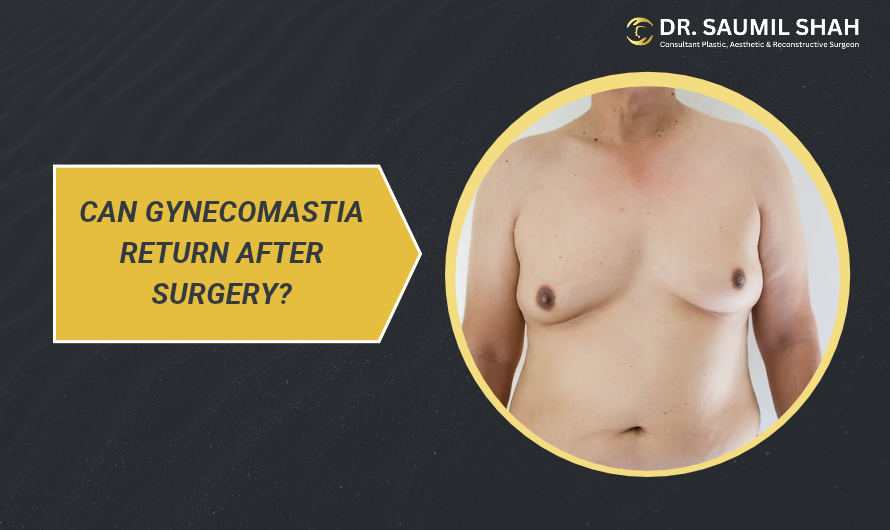
Gynecomastia can affect more than a man’s chest appearance. For many men, enlarged breast tissue can lead to discomfort, self-consciousness, and hesitation about wearing fitted clothes, swimming, or going to the gym. Gynecomastia surgery can help create a flatter, firmer chest, but one common question remains: can gynecomastia return after surgery?
The answer is that recurrence is possible, but it is not inevitable. When the excess glandular tissue is appropriately treated, the results are generally long-lasting. However, changes in body weight, hormonal imbalances, certain medications, and other medical conditions can affect the chest’s appearance over time.
If you are considering Gynecomastia Surgery in Mumbai, understanding what causes recurrence and how to maintain your results can help you make an informed decision.
What Is Gynecomastia?
Gynecomastia is the enlargement of breast glandular tissue in males. It can affect one or both sides of the chest and may occur during adolescence or adulthood.
It is commonly associated with an imbalance between the effects of oestrogen and testosterone on breast tissue. This does not necessarily mean that testosterone levels are abnormally low; the balance of hormonal activity within the body also matters.
Gynecomastia may develop due to:
- Hormonal changes during puberty or ageing
- Certain prescription medications
- Some anabolic steroids or hormone-related substances
- Medical conditions affecting hormone levels
- Liver, kidney, thyroid, or testicular conditions
- No identifiable underlying cause in some cases
It is also important to distinguish true gynecomastia from pseudogynecomastia, in which the chest appears enlarged mainly because of excess fat rather than glandular tissue. Some men have a combination of both.
Understanding the cause helps determine the most appropriate treatment.
Can Gynecomastia Come Back After Surgery?
Yes, gynecomastia can return or the chest can become enlarged again after surgery, but the reason matters.
During gynecomastia surgery, the surgeon removes excess glandular tissue, fat, or both, depending on the patient’s condition. The aim is to create a flatter and more proportionate chest.
When the glandular tissue responsible for the enlargement is adequately treated, significant recurrence is less likely. However, surgery cannot prevent every future change in the chest.
A fuller chest after surgery may result from:
- Remaining glandular tissue becoming more noticeable
- New hormonal stimulation of breast tissue
- Weight gain and increased chest fat
- Certain medications or substances
- Changes in skin and body composition over time
These situations are not all the same. A chest that becomes fuller because of fat accumulation is different from recurrent glandular gynecomastia.
1. Incomplete Removal of Glandular Tissue
One possible reason for persistent or recurrent enlargement is residual glandular tissue.
The surgeon must balance removing enough tissue to achieve a flatter contour with preserving sufficient tissue beneath the nipple and areola to maintain a natural appearance.
If too much tissue is removed directly beneath the nipple, a depression or crater-like appearance may develop. If too much remains, some fullness may persist.
This does not automatically mean the original surgery was unsuccessful. The appropriate amount of tissue removal depends on the individual’s anatomy, skin quality, and chest shape.
In some cases, residual tissue may become more noticeable as swelling settles or as the surrounding fat changes. A surgeon can assess whether the concern represents residual gynecomastia, fat accumulation, scar tissue, or another issue.
2. Weight Gain After Gynecomastia Surgery
Weight gain is another reason the chest may look fuller after surgery.
Breast reduction surgery for gynecomastia removes targeted tissue, but it does not prevent future fat accumulation. If a person gains a significant amount of weight, fat may accumulate in the chest and surrounding areas.
This can create the impression that gynecomastia has returned.
For example, a man who maintains a stable weight after surgery may retain a relatively defined chest contour. If he later gains substantial weight, the chest may become softer or fuller even if the original glandular tissue has not regrown.
Maintaining a stable weight through balanced nutrition and regular physical activity can help preserve the surgical result.
3. Hormonal Changes Can Trigger New Breast Tissue Growth
Hormonal changes can also contribute to recurrent gynecomastia.
Breast glandular tissue can respond to hormonal stimulation even after surgery. If the underlying hormonal imbalance persists or develops later, remaining breast tissue may enlarge.
Possible causes include:
- Testosterone deficiency
- Increased oestrogen activity
- Thyroid disorders
- Certain testicular conditions
- Some other medical conditions affecting hormone regulation
Hormonal problems should not be assumed to be the cause of every case of recurrence. If breast enlargement develops again, a doctor can determine whether testing is necessary.
Treating an underlying medical cause may be important in addition to addressing the physical appearance of the chest.
4. Medications and Supplements May Affect Your Results
Some medications and substances can contribute to breast tissue enlargement in males.
Depending on the individual, these may include certain hormonal treatments, anabolic steroids, and other medications associated with gynecomastia.
Some bodybuilding products or supplements may also contain hormone-active ingredients or undeclared substances.
If you notice new breast enlargement after surgery, review your medications and supplements with a qualified doctor.
Do not stop a prescribed medication on your own. Your doctor can assess whether an alternative treatment or further investigation is appropriate.
5. Does Puberty-Related Gynecomastia Return?
Gynecomastia commonly develops during puberty because hormone levels change during adolescence. In many teenagers, the enlargement gradually resolves without surgery.
When surgery is considered, it is important to assess whether the condition has stabilised and whether there is an ongoing cause.
If surgery is performed while significant hormonal changes are still occurring, further breast tissue development may be possible.
For this reason, the timing of gynecomastia surgery should be individualised, particularly for younger patients.
Is It Fat or Glandular Tissue Returning?
This is an important distinction because the treatment may differ.
Signs that may suggest fat accumulation
- The chest becomes fuller alongside general weight gain.
- The area feels relatively soft.
- The change develops gradually with changes in body composition.
These observations are not enough to confirm the cause, but they may help guide the assessment.
Signs that may suggest glandular tissue
- A firmer or rubbery area beneath the nipple or areola
- Localised fullness around the nipple
- Tenderness or sensitivity in some cases
- Enlargement that occurs without significant weight gain
These symptoms can overlap, and self-examination cannot reliably establish the diagnosis.
A clinical examination can help distinguish glandular tissue from fat, postoperative scar tissue, and other causes of chest enlargement.
If you notice a new lump, particularly one that is hard, fixed, one-sided, or associated with nipple discharge or skin changes, seek medical evaluation promptly rather than assuming it is gynecomastia.
How Long Do Gynecomastia Surgery Results Last?
Gynecomastia surgery generally offers long-lasting results when the underlying condition has been appropriately addressed.
The glandular tissue removed during surgery does not simply grow back in the same way it was removed. However, remaining tissue may respond to future hormonal changes, and fat can accumulate in the chest with weight gain.
The long-term appearance also depends on:
- Stability of body weight
- Hormonal health
- Medication use
- Skin elasticity
- The amount of tissue initially removed
- Natural ageing and changes in body composition
Although results can last for many years, no surgical procedure can guarantee that the chest will never change again.
How Can You Prevent Gynecomastia From Returning?
Recurrence cannot always be prevented, particularly when it is linked to an underlying medical condition. However, there are steps you can take to help maintain your results.
1. Maintain a stable body weight
A balanced diet and regular physical activity can help reduce the likelihood of significant fat accumulation in the chest.
2. Address hormonal problems
If a hormonal condition contributed to your gynecomastia, follow the recommended treatment and monitoring plan.
3. Review medications with your doctor
Discuss any medication or supplement that may contribute to breast enlargement. Never discontinue prescribed treatment without medical advice.
4. Avoid non-prescribed anabolic steroids
Anabolic steroids and some hormone-related substances can disrupt the body’s hormonal balance and contribute to breast tissue enlargement.
5. Attend follow-up appointments
Follow-up visits allow your surgeon to monitor healing, assess your chest contour, and address concerns as they arise.
6. Seek assessment if new enlargement develops
Do not assume that every change is recurrence. A professional examination can help identify the cause and determine whether treatment is needed.
Can Exercise Prevent Gynecomastia From Returning?
Exercise can help maintain a healthy body composition, strengthen the chest muscles, and improve overall fitness. However, exercise cannot reliably prevent or remove glandular gynecomastia.
Chest exercises such as push-ups and bench presses can develop the pectoral muscles, but they do not directly eliminate excess breast gland tissue.
If chest fullness is caused mainly by fat, weight management may improve the appearance. If glandular tissue is responsible, exercise alone may not resolve the problem.
After surgery, return to exercise gradually and follow your surgeon’s instructions. Resuming strenuous chest workouts too early may interfere with recovery.
What If Gynecomastia Returns After Surgery?
If your chest becomes enlarged again, the first step is to identify the cause.
Your doctor or surgeon may assess:
- Changes in weight and body composition
- The location and consistency of the enlarged area
- Your medication and supplement history
- Symptoms such as tenderness or nipple changes
- Possible hormonal or other medical conditions
Blood tests or imaging may be recommended when indicated by the history and examination.
Treatment depends on the findings. If the enlargement is mainly due to fat, weight management may be appropriate. If a medical or hormonal cause is identified, treating that condition is important.
In selected cases where significant residual or recurrent tissue causes persistent concerns, revision gynecomastia surgery may be considered once the cause has been assessed and the condition is stable.
Revision surgery is not automatically necessary for every change in chest appearance.
What Happens During Gynecomastia Surgery?
Understanding the procedure can help you appreciate how the long-term result is achieved.
Gynecomastia surgery generally involves one or both of the following techniques:
Liposuction: Used to remove excess fat through small incisions when fatty tissue contributes to chest enlargement.
Glandular tissue excision: Used to remove firm breast gland tissue, often through an incision near the edge of the areola when appropriate.
Some patients need a combination of both techniques. Patients with substantial skin excess may require additional skin removal.
The surgical plan is based on the amount and type of tissue present, skin elasticity, chest shape, and desired outcome.
Who Is a Suitable Candidate for Gynecomastia Surgery?
You may be a candidate if you have persistent breast enlargement that causes physical discomfort or affects your confidence and daily activities.
Before surgery, the surgeon may evaluate:
- Whether the enlargement is glandular, fatty, or mixed
- Whether the condition has stabilised
- Your general health
- Any medications or substances that may contribute
- Possible hormonal or medical causes
- Skin elasticity and chest anatomy
- Your expectations for the result
If an underlying medical condition is causing the enlargement, it may need to be treated before surgery is planned.
Why Choose an Experienced Surgeon?
Achieving a natural-looking male chest requires more than removing tissue. The surgeon must consider chest symmetry, nipple position, skin quality, the amount of glandular tissue, and the transition between the chest and surrounding areas.
Removing too much tissue can create an uneven or sunken contour, while insufficient correction may leave unwanted fullness. Careful planning is therefore essential.
If you are considering Gynecomastia Surgery in Mumbai, Dr. Saumil Shah can assess your condition, explain the available surgical approaches, and discuss realistic expectations for your chest contour and long-term results.
Frequently Asked Questions
Can gynecomastia return years after surgery?
Yes, it is possible. Hormonal changes, certain medications, weight gain, or remaining glandular tissue may contribute to renewed chest fullness. However, many patients maintain long-lasting results.
Does removed gynecomastia gland tissue grow back?
Tissue that has been surgically removed does not simply regrow as the same tissue. However, remaining glandular tissue can enlarge in response to hormonal stimulation, and fat may accumulate in the chest.
Can weight gain make my chest look enlarged again?
Yes. Weight gain can increase chest fat and make the area appear fuller, even if the original glandular tissue has been removed.
Can bodybuilding cause gynecomastia to return?
Exercise itself does not usually cause gynecomastia. However, anabolic steroids and some hormone-related bodybuilding products can disrupt hormonal balance and contribute to breast tissue enlargement.
Will I need another surgery if gynecomastia returns?
Not necessarily. Treatment depends on the cause and severity of the enlargement. Some cases can be managed by addressing weight or an underlying medical issue, while selected patients may benefit from revision surgery.
Can chest workouts prevent gynecomastia from returning?
Chest workouts strengthen the pectoral muscles but cannot reliably prevent glandular tissue enlargement. Maintaining a healthy weight and addressing hormonal or medication-related causes are more relevant to reducing risk.
How can I tell whether my chest enlargement is fat or gynecomastia?
It can be difficult to tell without an examination. A doctor can assess whether the fullness is mainly due to fat, glandular tissue, or a combination of both.
Is gynecomastia surgery a permanent solution?
The results are generally long-lasting when the underlying cause has been addressed. However, future weight changes, hormonal stimulation, and ageing can still affect the chest’s appearance.
Final Thoughts
Gynecomastia surgery can provide a flatter, more defined chest, and its results are generally long-lasting. However, gynecomastia can return or chest fullness can develop again if remaining glandular tissue is stimulated by hormonal changes, certain medications, or other factors. Weight gain can also change the chest contour without causing true glandular recurrence.
The most important step is to understand what caused the original enlargement and address any underlying factors that could affect the result.
If you are considering Gynecomastia Surgery in Mumbai, consult Dr. Saumil Shah to discuss your concerns, understand the surgical options, and learn how to maintain your results over time.