 by
by If you constantly struggle with a blocked nose, frequent sinus infections, snoring, or difficulty breathing through one nostril, you may have a deviated septum. While many people assume these symptoms are caused by allergies or recurring colds, they can often be due to a structural problem inside the nose. If these issues are affecting your daily life, consulting an experienced deviated septum specialist in Mumbai can help identify the underlying cause and recommend the most appropriate treatment. This guide explains the symptoms you shouldn’t ignore and when deviated nose surgery in Mumbai may be the right solution.
What Is a Deviated Septum?
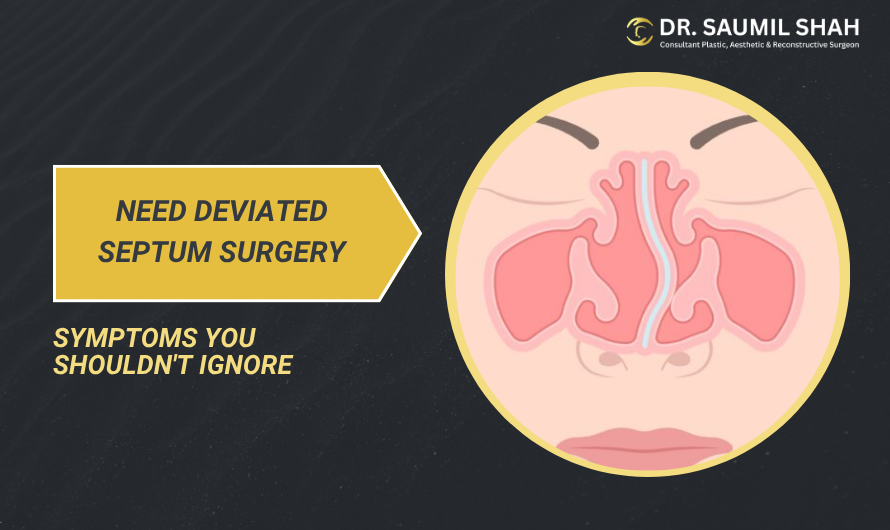
The nasal septum is the wall of cartilage and bone that separates the two nostrils. Ideally, it sits in the center of the nose, allowing air to flow evenly through both nasal passages.
A deviated septum occurs when this wall shifts to one side, making one nasal passage narrower than the other. Some people are born with this condition, while others develop it after an injury or trauma to the nose.
A mild deviation may cause little or no discomfort, but a severe deviation can interfere with normal breathing and increase the risk of several nasal problems.
Common Signs You May Need Deviated Septum Surgery
1. Persistent Nasal Blockage
One of the most common symptoms of a deviated septum is ongoing nasal obstruction.
You may notice:
- One nostril always feels blocked.
- Breathing is easier through one side than the other.
- Nasal congestion does not improve with medications.
If your symptoms continue despite treatment for allergies or infections, a structural problem may be the cause.
2. Difficulty Breathing Through Your Nose
Many patients gradually adapt to poor nasal airflow without realizing it.
However, difficulty breathing through the nose can affect:
- Daily comfort
- Exercise performance
- Sleep quality
- Overall energy levels
If you frequently breathe through your mouth because your nose feels blocked, it is worth seeking medical evaluation.
3. Frequent Sinus Infections
A deviated septum can block normal drainage of the sinuses, increasing the risk of recurrent infections.
Signs include:
- Facial pain or pressure
- Thick nasal discharge
- Nasal congestion lasting for weeks
- Repeated courses of antibiotics
Patients who experience multiple sinus infections each year may benefit from correcting the underlying structural issue.
4. Snoring and Poor Sleep
Restricted airflow through the nose often leads to mouth breathing during sleep.
This may contribute to:
- Snoring
- Dry mouth
- Interrupted sleep
- Daytime fatigue
Correcting nasal obstruction can improve airflow and help many patients sleep more comfortably.
5. Frequent Nosebleeds
A deviated septum can create abnormal airflow inside the nose, drying out the delicate nasal lining.
This may result in:
- Recurrent nosebleeds
- Crusting
- Irritation inside the nostrils
Persistent nosebleeds should always be evaluated by a specialist.
6. Chronic Headaches or Facial Pressure
Some patients experience headaches or facial discomfort because of long-term nasal obstruction and poor sinus drainage.
If these symptoms occur alongside breathing difficulties, they may be related to a deviated septum rather than recurring sinus infections alone.
7. Difficulty Exercising
Reduced airflow can make physical activity more challenging.
Patients may notice:
- Shortness of breath during exercise
- Difficulty breathing while running
- Reduced stamina
Improving nasal airflow often makes physical activities more comfortable.
8. A Crooked Nose Following Injury
If you’ve had a nasal injury or fracture and notice:
- A visibly crooked nose
- Difficulty breathing
- Persistent congestion
you may require evaluation for deviated nose surgery in Mumbai, particularly if both the nasal septum and external nose have been affected.
When Is Surgery Recommended?
Not everyone with a deviated septum needs surgery.
Your doctor may first recommend conservative treatments such as:
- Saline nasal rinses
- Nasal steroid sprays
- Allergy medications
- Decongestants (short-term use)
However, surgery may be advised if:
- Symptoms persist despite medication
- Nasal obstruction significantly affects daily life
- Recurrent sinus infections continue
- Breathing problems interfere with sleep
- Structural abnormalities are causing functional impairment
The decision is based on symptom severity rather than the degree of septal deviation alone.
What Is Deviated Nose Surgery?

The most common surgical procedure for correcting a deviated septum is septoplasty.
During septoplasty, the surgeon:
- Straightens the deviated septum
- Repositions or removes obstructing cartilage and bone
- Restores balanced airflow through both nostrils
The procedure is performed through incisions inside the nose, leaving no visible external scars in most cases.
If cosmetic correction of the nose is also required, a combined procedure known as septorhinoplasty may be recommended.
Benefits of Septoplasty
Patients often experience:
- Easier breathing
- Less nasal congestion
- Fewer sinus infections
- Improved sleep quality
- Reduced snoring
- Better exercise tolerance
- Enhanced overall quality of life
While results vary, many patients notice a significant improvement once healing is complete.
Recovery After Septoplasty
Most patients recover smoothly with appropriate postoperative care.
First Week
- Mild swelling and congestion
- Temporary nasal blockage
- Return to desk work within several days
Two to Four Weeks
- Improved breathing
- Reduced swelling
- Gradual return to normal activities
Complete healing continues over the following months, with breathing improving as internal tissues settle.
Why Early Evaluation Matters
Many people live with symptoms of a deviated septum for years without realizing that an effective treatment is available.
Early assessment helps:
- Identify the cause of nasal obstruction
- Prevent repeated sinus infections
- Improve sleep quality
- Restore comfortable breathing
- Determine whether surgery is necessary
A consultation with an experienced deviated septum specialist in Mumbai can provide a clear diagnosis and personalized treatment plan.
Why Patients Choose Dr. Saumil Shah
Dr. Saumil Shah offers comprehensive evaluation and treatment for patients experiencing nasal obstruction and breathing difficulties due to a deviated septum.
Every patient undergoes a detailed assessment of:
- Nasal anatomy
- Breathing function
- Symptom severity
- Individual treatment goals
When indicated, deviated nose surgery in Mumbai is planned with the aim of restoring nasal function while preserving natural facial balance.
Final Thoughts
Persistent nasal blockage, frequent sinus infections, poor sleep, and breathing difficulties should never be ignored. These symptoms may indicate a deviated septum that requires more than temporary medication.
If you’re experiencing ongoing nasal problems, consulting a qualified doctor is the best way to determine the underlying cause. With timely diagnosis and appropriate treatment, including deviated nose surgery in Mumbai when necessary, you can breathe more comfortably, sleep better, and improve your overall quality of life.