 by
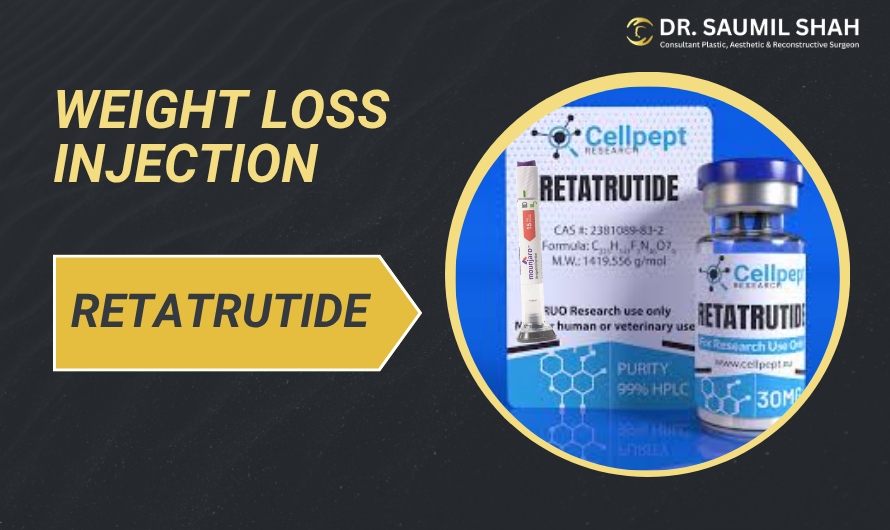
by Obesity has become one of the most significant health challenges worldwide. While lifestyle modifications such as healthy eating and regular exercise remain the foundation of weight management, many individuals struggle to achieve long-term weight loss through lifestyle changes alone. The emergence of modern weight loss medications has transformed obesity treatment, and one of the most promising therapies currently under development is Retatrutide.
Often referred to as the next generation of weight loss injections, Retatrutide has generated considerable attention due to its impressive clinical trial results. Early studies suggest that it may help individuals achieve greater weight loss than currently available medications. However, many patients still have questions about its effectiveness, safety, cost, and availability.
In this guide, we explore everything you need to know about Retatrutide and its potential role in obesity management.
What is Retatrutide?
Retatrutide is an investigational once-weekly injectable medication being developed by Eli Lilly for the treatment of obesity and related metabolic conditions. Unlike traditional weight loss medications, Retatrutide works by targeting three different hormone receptors involved in appetite regulation, metabolism, and energy balance.
It acts on:
- GLP-1 (Glucagon-Like Peptide-1) receptors
- GIP (Glucose-Dependent Insulinotropic Polypeptide) receptors
- Glucagon receptors
Because it activates all three pathways simultaneously, Retatrutide is often described as a “triple hormone receptor agonist.” Researchers believe this unique mechanism may explain the remarkable weight loss results observed in clinical trials.

How Does Retatrutide Help With Weight Loss?
Retatrutide supports weight reduction through several mechanisms:
Appetite Suppression
The medication influences hunger signals in the brain, helping individuals feel satisfied with smaller meals and reducing food cravings.
Slower Gastric Emptying
Food remains in the stomach longer, increasing feelings of fullness and reducing overall calorie intake.
Increased Energy Expenditure
Unlike many other obesity medications, Retatrutide’s glucagon activity may help increase calorie burning and fat metabolism.
Improved Blood Sugar Regulation
The drug also enhances insulin function and glucose control, which may benefit individuals with obesity and metabolic disorders.
Retatrutide Weight Loss Results
One of the primary reasons for the excitement surrounding Retatrutide is its impressive weight loss outcomes.
In a landmark Phase 2 study involving adults with obesity, participants achieved substantial reductions in body weight over 48 weeks. The highest doses produced average weight loss exceeding 24% of total body weight.
More recently, Phase 3 clinical trial results reported average weight loss of up to 28.3% over approximately 80 weeks among participants receiving the highest dose. Nearly half of participants achieved weight reductions of 30% or more.
To put this into perspective:
- A person weighing 100 kg could potentially lose 25–30 kg.
- Weight loss outcomes approach those seen with some bariatric surgery procedures.
- Improvements were also observed in waist circumference, blood pressure, cholesterol levels, and overall metabolic health.
It is important to remember that individual results vary and depend on factors such as diet, physical activity, adherence to treatment, and underlying health conditions.

Who May Benefit From Retatrutide?
If approved, Retatrutide may be recommended for:
- Adults with obesity (BMI ≥30)
- Individuals who are overweight with obesity-related medical conditions
- Patients struggling with long-term weight management
- Individuals with metabolic syndrome
- Patients with prediabetes or type 2 diabetes under medical supervision
A qualified obesity specialist would determine whether Retatrutide is appropriate based on a patient’s overall health profile and treatment goals.
Common Side Effects of Retatrutide
Like other medications in the GLP-1 family, Retatrutide can cause side effects, particularly during dose escalation. Clinical trials have reported that most adverse effects are gastrointestinal and generally improve over time.
Common side effects include:
- Nausea
- Vomiting
- Diarrhea
- Constipation
- Abdominal discomfort
- Indigestion
- Reduced appetite
These symptoms are usually mild to moderate and often decrease as the body adapts to treatment.
Less Common Concerns
Researchers are also monitoring:
- Excessive weight loss
- Muscle mass reduction
- Nutritional deficiencies
- Changes in skin sensation (dysesthesia)
- Gallbladder-related issues
Recent Phase 3 data suggest that the occurrence of some previously noted side effects may be lower than initially expected, although long-term monitoring continues.
Because Retatrutide remains under investigation, ongoing studies will provide additional information regarding long-term safety.
Retatrutide Price: How Much Will It Cost?
Since Retatrutide has not yet received widespread regulatory approval, official pricing has not been announced.
However, obesity specialists anticipate that pricing may be comparable to or slightly higher than currently available advanced weight loss injections because of its novel triple-action mechanism.
The final cost will depend on:
- Regulatory approval status
- Country-specific pricing policies
- Insurance coverage
- Manufacturer pricing strategy
- Import and distribution costs
For Indian patients, exact pricing will only become clear after regulatory approvals and commercial launch.
When Will Retatrutide Be Available?
As of 2026, Retatrutide remains an investigational medication and is undergoing Phase 3 clinical trials for obesity and related conditions. Eli Lilly has reported positive late-stage trial results and is expected to pursue regulatory approvals following the completion of ongoing studies.
While timelines may vary by country, experts anticipate that regulatory submissions and approvals could occur over the coming years if ongoing studies continue to demonstrate favorable efficacy and safety outcomes.
Patients should be cautious about purchasing Retatrutide online, as legitimate commercial versions are not yet widely available, and counterfeit products may pose serious health risks.
Retatrutide vs Existing Weight Loss Injections
Current obesity medications such as semaglutide and tirzepatide have already transformed obesity treatment.
Retatrutide differs because it targets three hormonal pathways rather than one or two. Clinical studies suggest that this triple-action approach may produce greater weight reduction while also improving metabolic health markers.
However, direct comparisons should be interpreted carefully until more head-to-head studies become available.
Is Retatrutide a Replacement for Lifestyle Changes?
No.
Even the most effective weight loss medication works best when combined with:
- A balanced nutrition plan
- Regular physical activity
- Adequate sleep
- Stress management
- Long-term medical supervision
Sustainable weight management requires a comprehensive approach that addresses both biological and lifestyle factors.
Final Thoughts
Retatrutide represents one of the most exciting developments in obesity medicine. Early and late-stage clinical trials have demonstrated unprecedented weight loss results, with some participants achieving reductions approaching those seen after bariatric surgery. Its unique triple-hormone mechanism has the potential to redefine obesity treatment in the coming years.
Although Retatrutide is not yet widely available, ongoing research continues to strengthen its promise as a future option for patients struggling with obesity and weight-related health conditions.
If you are considering medical weight loss treatment, consulting an experienced obesity specialist is the best way to determine which evidence-based options are most suitable for your individual health needs.