 by
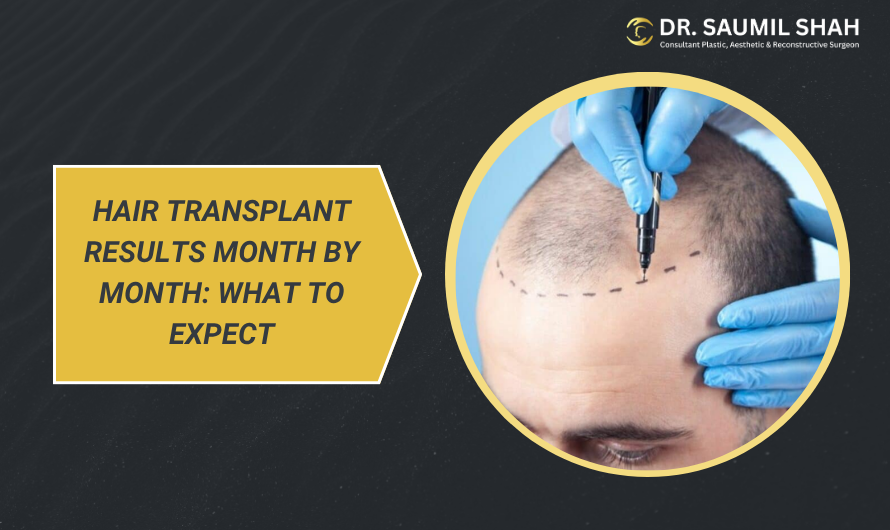
by A hair transplant can provide a long-term solution for people experiencing hair thinning or baldness, but the results don’t appear overnight. One of the most important things to understand before undergoing the procedure is that hair growth after a transplant happens gradually.
It is completely normal to experience temporary shedding, uneven growth, and periods when it may seem like nothing is happening. The transplanted follicles need time to settle into their new location and go through their natural growth cycle.
If you’re considering a Hair Transplant in Mumbai, understanding the expected month-by-month timeline can help you prepare for recovery and avoid unnecessary concerns during the early stages of growth.
What Happens During a Hair Transplant?
A hair transplant involves moving healthy hair follicles from a donor area—usually the back or sides of the scalp—to areas affected by hair loss.
Depending on your condition and treatment plan, techniques such as Follicular Unit Extraction (FUE) may be used.
The transplanted follicles are carefully placed to create a natural-looking hairline and improve hair density in areas affected by hair loss.
Although the follicles are transferred during the procedure, they still need time to establish themselves and begin producing new hair.
Hair Transplant Results: Month-by-Month Timeline
Every patient heals and grows hair at a different rate. Your exact timeline may vary depending on factors such as genetics, the extent of hair loss, the number of grafts transplanted, overall health, and postoperative care.
Here’s a general guide to what you may expect.
Month 1: Healing and Initial Shedding
The first month is primarily about healing.
During the first few days and weeks, you may experience:
- Mild swelling
- Redness
- Small scabs around transplanted follicles
- Temporary sensitivity
- Tightness or itching
The transplanted hair may also begin to shed during this period.
This can be alarming, but temporary shedding is a normal part of the hair transplant process. The follicles remain beneath the skin even when the visible hair shaft falls out.
Your surgeon will provide specific instructions regarding washing, sleeping, exercise, and scalp care during this stage.
Month 2: The “Waiting” Phase
For many patients, the second month can feel frustrating because there may be little visible hair growth.
The transplanted follicles are entering a resting phase, so the scalp may appear similar to how it looked before the procedure.
Don’t assume that a lack of visible growth means the transplant hasn’t worked.
The follicles are preparing for the next growth cycle.
Month 3: Early New Growth
Around the third month, some patients begin noticing tiny new hairs emerging from the transplanted areas.
These hairs may initially be:
- Fine
- Thin
- Light in colour
- Uneven in length
This early growth is only the beginning.
You should not expect your final density at this stage.
Month 4: Visible Progress Begins
By around four months, new hair growth may become more noticeable.
You may begin to see:
- More short hairs
- Gradually increasing coverage
- Early improvement in the hairline
- Slightly greater density
The growth rate can vary considerably between individuals, so comparing your progress with someone else’s may cause unnecessary concern.
Month 5: Increasing Density
During the fifth month, the transplanted hairs generally continue growing and becoming stronger.
The new hairs may still look thinner than your existing hair, but the overall appearance of the treated area can begin to improve.
At this stage, patience remains important.
Month 6: Noticeable Transformation
Around six months, many patients begin seeing a more obvious improvement in hair coverage and density.
The transplanted hairs may become:
- Thicker
- Longer
- Darker
- Easier to style
However, the final result is still developing.
For some patients, growth may be faster, while others may require additional months to see significant density.
Months 7–9: Continued Thickening
Between seven and nine months, the transformation usually becomes increasingly visible.
New hairs continue to grow, and existing transplanted hairs gradually become thicker.
You may notice improvements in:
- Hairline definition
- Scalp coverage
- Hair density
- Overall appearance
At this stage, styling the hair may become easier.
Months 10–12: Major Results Become Visible
By approximately 10–12 months, many patients can see a substantial portion of their final result.
The transplanted hair generally appears thicker and more natural as it matures.
However, the exact timeline varies, and some patients may continue experiencing improvement beyond one year.
12–18 Months: Final Maturation
For some patients, particularly when the crown is treated, hair continues to mature after the first year.
By around 12–18 months, the transplanted hair may reach its final level of:
- Thickness
- Density
- Length
- Natural appearance
Your surgeon can assess the final outcome during follow-up appointments.
Why Does Hair Take So Long to Grow After a Transplant?
Hair grows according to a natural cycle consisting of growth, transition, and resting phases.
When follicles are transplanted, they need time to adapt to their new environment. The visible hair may shed initially before the follicle enters a new growth cycle.
This is why the process can seem slow even though the transplanted follicles are progressing normally.
Is Hair Shedding After a Hair Transplant Normal?
Yes, temporary shedding is common.
This is sometimes referred to as shock loss or postoperative shedding.
The visible hair shaft may fall out while the follicle remains healthy beneath the skin. New hair growth can then begin as the follicle enters its next growth cycle.
However, significant or unexpected hair loss should always be discussed with your surgeon.
When Will You See the Final Hair Transplant Result?
There is no single timeline that applies to every patient.
Many people see substantial improvement between 6 and 12 months, while final maturation can continue for 12–18 months or longer in some cases.
Factors that can influence your timeline include:
- Number of transplanted grafts
- Treatment area
- Hair characteristics
- Genetics
- Age
- Existing hair loss
- Individual growth cycle
- Postoperative care
Your surgeon can provide a more personalised estimate based on your condition.
How Can You Support Hair Growth After a Transplant?
Following your surgeon’s postoperative instructions is essential.
You may be advised to:
- Follow the recommended scalp-washing routine
- Avoid scratching or picking at scabs
- Protect your scalp from excessive sun exposure
- Avoid strenuous exercise during the initial recovery period
- Take prescribed medications as directed
- Attend follow-up appointments
Do not start supplements, medications, or hair-growth products without discussing them with your doctor.
Can Transplanted Hair Fall Out Again?
Hair transplantation is designed to relocate follicles that are generally more resistant to androgenetic hair loss, but the overall appearance of your hair can still change over time.
The untreated hair surrounding the transplanted area may continue to thin depending on the underlying cause of hair loss.
For this reason, your surgeon may discuss medical treatments or other strategies to help preserve existing hair.
When Should You Be Concerned?
Some redness, swelling, scabbing, itching, and temporary shedding can occur during normal recovery.
However, contact your surgeon if you experience:
- Severe or worsening pain
- Significant swelling
- Persistent bleeding
- Pus or unusual discharge
- Fever
- Signs of infection
- Sudden or unexpected changes in the transplanted area
Prompt evaluation can help identify and manage potential complications.
Why Choose Dr. Saumil Shah?
A successful hair transplant requires more than simply moving hair follicles from one area to another. Careful planning of the hairline, graft placement, density, and donor area is essential for achieving natural-looking results.
Dr. Saumil Shah provides personalised hair restoration plans based on the patient’s pattern of hair loss, donor hair availability, facial proportions, and treatment goals.
If you’re considering a Hair Transplant in Mumbai, a detailed consultation can help determine whether you are a suitable candidate and what type of hair restoration approach may be appropriate for you.
Final Thoughts
Hair transplant results develop gradually, and patience is an important part of the process. The first few months are mainly focused on healing and follicle recovery, while noticeable growth generally develops over the following months. By around six to twelve months, many patients see significant improvement, with further thickening and maturation potentially continuing for 12–18 months.
If you’re considering a Hair Transplant in Mumbai, schedule a consultation with Dr. Saumil Shah to understand your hair loss pattern, treatment options, expected growth timeline, and realistic results. A personalised treatment plan can help you take the right steps toward achieving fuller, natural-looking hair with confidence.