 by
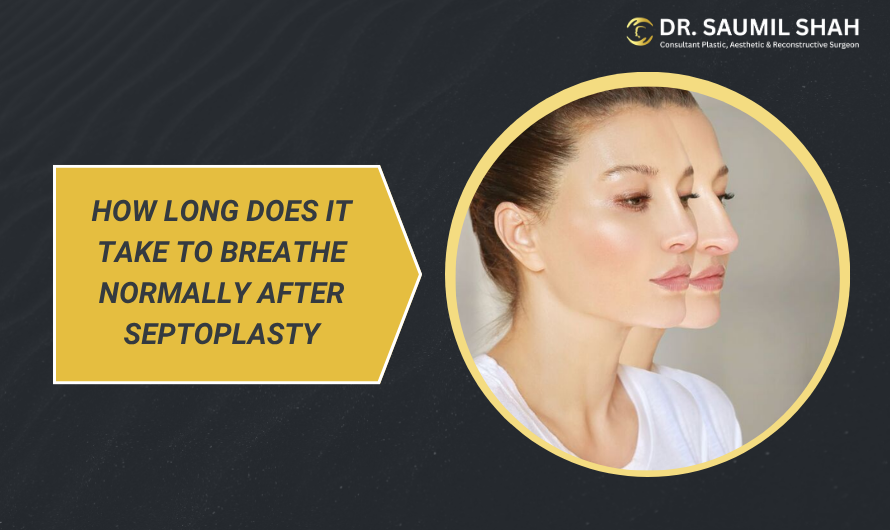
by If you’ve undergone or are considering septoplasty to correct a deviated septum, one of the first questions you may have is: “When will I be able to breathe normally again?”
It may seem surprising, but breathing can actually feel more difficult immediately after septoplasty. Swelling, internal healing, crusting, and nasal packing or splints can temporarily make the nose feel blocked. This does not necessarily mean the surgery hasn’t worked. In most patients, nasal breathing gradually improves as the tissues heal.
If you’re considering Septoplasty in Mumbai, understanding the recovery timeline can help you prepare for the healing process and set realistic expectations.
What Is Septoplasty?
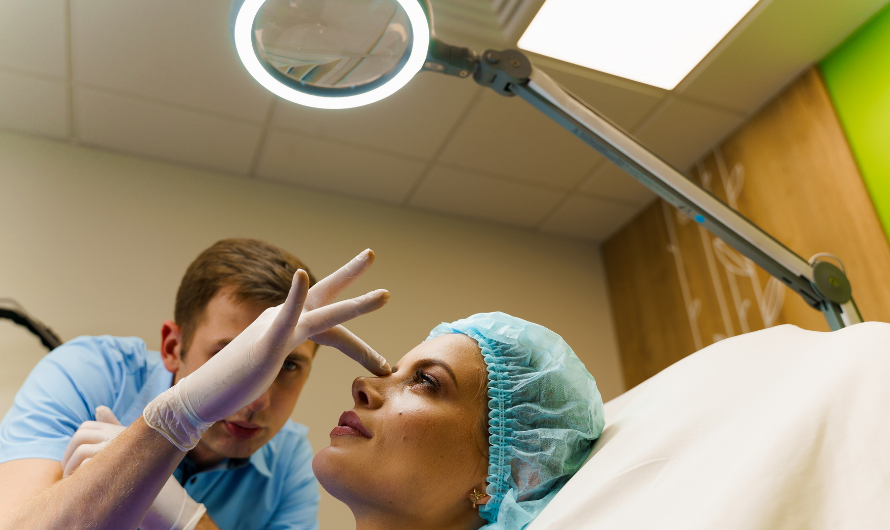
Septoplasty is a surgical procedure used to correct a deviated nasal septum. The septum is the wall of bone and cartilage separating the two nasal passages.
When it is significantly crooked, it can narrow one side of the nose and make breathing difficult. During septoplasty, the surgeon carefully reshapes, repositions, or removes selected portions of cartilage and bone to improve the nasal airway.
The primary goal of septoplasty is functional improvement—helping you breathe more comfortably through your nose.
Why Does Your Nose Feel Blocked After Septoplasty?
It is completely normal for the nose to feel congested during the early stages of recovery.
Several factors can contribute to temporary blockage:
- Internal swelling
- Healing tissues
- Crusting inside the nose
- Nasal packing, if used
- Internal splints
- Blood-stained discharge
- Normal inflammation following surgery
NHS guidance notes that nasal blockage can persist for several weeks while the internal lining settles.
So, don’t be alarmed if your breathing isn’t immediately better after surgery.
Septoplasty Breathing Recovery Timeline
Everyone heals differently, but the following provides a general idea of what you may experience.
First Few Days: Breathing May Be Difficult
During the first few days, your nose may feel very blocked.
You may experience:
- Nasal congestion
- Swelling
- Mild discomfort
- Blood-stained discharge
- Difficulty breathing through the nose
If packing or splints are placed inside the nose, they can contribute to the blocked sensation.
At this stage, it is normal to rely more on mouth breathing temporarily.
First Week: Still Congested
During the first week, the nose may continue to feel blocked even though the septum has been corrected.
Depending on your surgeon’s approach, splints may still be present or may be removed around the first follow-up appointment.
Avoid blowing your nose unless your surgeon specifically tells you it is safe. Excessive pressure can increase bleeding and interfere with healing.
Weeks 2–3: Breathing Starts Improving
After the initial swelling begins to settle, many patients notice that nasal breathing gradually becomes easier.
However, congestion can still come and go.
You may notice:
- Less nasal pressure
- Improved airflow
- Reduced swelling
- Easier breathing through the nose
Some NHS guidance indicates that the blocked feeling can take several weeks to improve.
Weeks 4–6: Noticeable Improvement
By around four to six weeks, many patients have significantly improved nasal airflow.
One NHS hospital source notes that after the first two weeks, stuffiness generally begins to decrease and that the nose may take around four to six weeks to fully settle.
However, this is not a universal timeline.
Some people may breathe comfortably earlier, while others may need additional time because of swelling, the extent of surgery, allergies, or other nasal conditions.
Around 3 Months: Further Healing
By approximately three months, the nose may feel substantially more settled, although internal tissues can continue healing.
Some postoperative guidance notes that it may take up to three months for the nose to settle and breathing to become clear again.
3–6 Months and Beyond: Continued Healing
The internal tissues continue to mature after the first few months.
Mayo Clinic notes that nasal tissues are generally somewhat stable by around 3–6 months, although further changes can continue for longer.
This is why the final outcome should not be judged too early.
When Will You Notice the Difference?
There isn’t one exact date when everyone suddenly starts breathing normally.
Instead, improvement is usually gradual.
A typical pattern may look like:
First week → Significant congestion
Weeks 2–3 → Early improvement
Weeks 4–6 → Noticeably better airflow
Around 3 months → Nose substantially settled
3–6 months → Continued refinement and healing
Your individual recovery may be faster or slower.
Why Is Breathing Sometimes Still Blocked After Surgery?
If your nose continues to feel blocked after septoplasty, there can be several explanations.
Ongoing Swelling
Internal swelling can take weeks or months to completely resolve.
Crusting
Dryness and crusting can temporarily obstruct the nasal passages during healing.
Allergies
Allergies can cause swelling of the nasal lining even after the septum has been successfully straightened.
Turbinate Enlargement
Enlarged turbinates can also contribute to nasal obstruction. In some patients, turbinate treatment may be considered along with septoplasty.
Other Structural Problems
A deviated septum may not be the only reason for nasal obstruction. Problems involving the nasal valves, turbinates, or other structures may also contribute.
This is why persistent symptoms should be assessed rather than assuming the surgery has failed.
Does Septoplasty Permanently Improve Breathing?

Septoplasty aims to correct the structural deviation that is causing nasal obstruction.
Many patients experience improved breathing after healing, but results vary. Mayo Clinic notes that while many people find that septoplasty improves symptoms caused by a deviated septum, some patients may continue to experience symptoms.
Realistic expectations are therefore important.
What Can You Do to Support Recovery?
Following your surgeon’s postoperative instructions is essential.
Depending on your individual procedure, you may be advised to:
- Keep your head elevated while sleeping
- Avoid blowing your nose during the early healing period
- Use prescribed saline sprays or rinses as directed
- Avoid strenuous exercise initially
- Avoid heavy lifting
- Attend scheduled follow-up appointments
- Keep the nose protected from injury
Mayo Clinic recommends avoiding heavy lifting and strenuous activities for a period determined by the extent of surgery, while NHS guidance similarly advises patients to avoid activities that could interfere with healing.
Do not introduce nasal medications or irrigation unless your surgeon has advised you to do so.
When Should You Contact Your Surgeon?
Some congestion is expected, but certain symptoms require medical attention.
Contact your surgeon if you experience:
- Heavy or persistent bleeding
- Increasing rather than improving pain
- Fever
- Foul-smelling nasal discharge
- Significant swelling
- Breathing difficulties that seem unusual or severe
- Any symptom that concerns you
If you experience sudden or severe difficulty breathing, seek urgent medical attention.
Is Septoplasty Right for You?
Not everyone with a deviated septum needs surgery.
A deviated septum is common, and treatment is generally considered when the deviation causes significant symptoms such as persistent nasal obstruction or breathing difficulty that affects quality of life.
A specialist can evaluate your nasal anatomy and determine whether septoplasty is likely to improve your symptoms.
Why Choose Dr. Saumil Shah?
Every nose is different, and the reason for nasal obstruction isn’t always the same.
Dr. Saumil Shah takes a personalised approach when evaluating patients with breathing difficulties and a deviated septum. The assessment focuses on your nasal anatomy, symptoms, previous injuries or treatments, and individual functional concerns.
If Septoplasty in Mumbai is appropriate for you, the surgical plan is tailored to address the structural problem while preserving the important support and function of the nose.
Final Thoughts
So, how long does it take to breathe normally after septoplasty? For many patients, breathing gradually improves over the first few weeks, with more noticeable improvement around four to six weeks. However, the nose can continue healing for several months, and some patients may take up to three months or longer to feel fully settled.
If you’re struggling with persistent nasal blockage because of a deviated septum, schedule a consultation with Dr. Saumil Shah to understand whether Septoplasty in Mumbai is suitable for you. A detailed evaluation can help identify the cause of your breathing difficulty and provide a personalised treatment plan for better, more comfortable nasal breathing.