 by
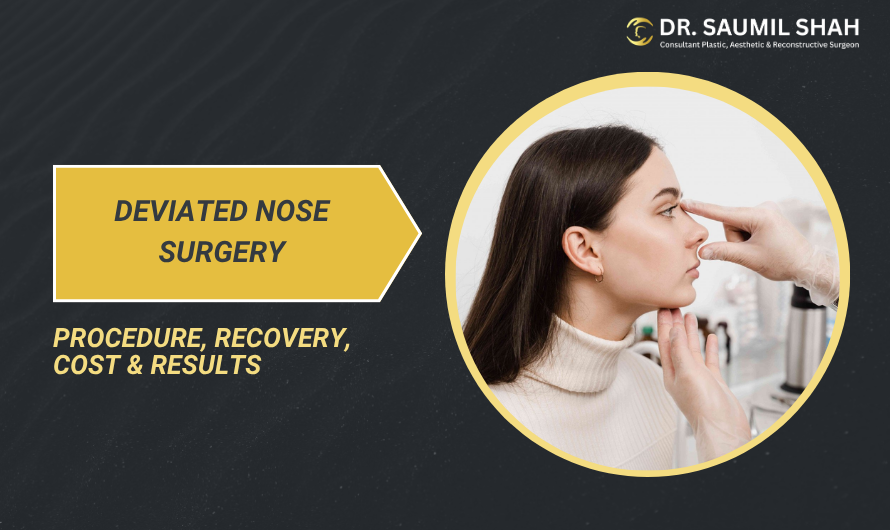
by Breathing difficulties, chronic nasal congestion, recurrent sinus infections, and poor sleep are common problems faced by individuals with a deviated nose. While many people live with these symptoms for years, modern surgical techniques can effectively correct the underlying structural problem and significantly improve quality of life.
If you’re considering deviated nose surgery in Mumbai, understanding the procedure, recovery process, expected results, and cost factors can help you make a well-informed decision.
What Is a Deviated Nose?
A deviated nose occurs when the nasal septum—the wall of cartilage and bone that separates the two nostrils—is displaced from the center.
While minor deviations are common and may not cause symptoms, significant deviations can lead to:
- Difficulty breathing through the nose
- Chronic nasal blockage
- Frequent sinus infections
- Snoring and sleep disturbances
- Nosebleeds
- Facial pressure and headaches
A deviated septum may be present from birth or develop after nasal trauma, injury, or fractures.
What Is Deviated Nose Surgery?
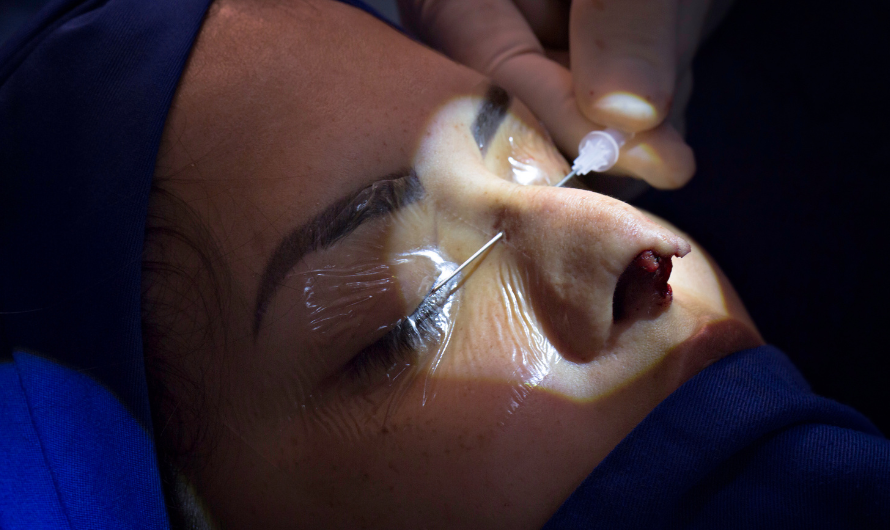
The most common procedure used to correct a deviated septum is called septoplasty.
Septoplasty is a functional surgical procedure designed to:
- Straighten the nasal septum
- Improve airflow through the nasal passages
- Relieve nasal obstruction
- Reduce sinus-related symptoms
- Enhance overall breathing function
Unlike cosmetic nose surgery, septoplasty primarily focuses on improving nasal function rather than altering appearance.
However, if cosmetic concerns also exist, a combined procedure called septorhinoplasty may be recommended.
Who Is a Good Candidate for Deviated Nose Surgery?
You may be a suitable candidate if you experience:
Persistent Nasal Blockage
Difficulty breathing despite medications and allergy treatments.
Frequent Sinus Infections
Recurring infections caused by poor drainage and obstruction.
Snoring and Sleep Issues
Breathing difficulties during sleep caused by nasal blockage.
Chronic Mouth Breathing
Many patients unknowingly rely on mouth breathing because of poor nasal airflow.
Reduced Quality of Life
Daily discomfort, exercise limitations, and poor sleep can all be linked to a deviated septum.
A consultation with the best septoplasty surgeon in Mumbai can help determine whether surgery is appropriate for your condition.
How Is Deviated Nose Surgery Performed?
Septoplasty is usually performed under local anesthesia with sedation or general anesthesia.
Step 1: Internal Incisions
The surgeon creates incisions inside the nose, avoiding visible external scars.
Step 2: Accessing the Septum
The mucosal lining is carefully lifted to expose the deviated cartilage and bone.
Step 3: Septal Correction
The surgeon repositions, reshapes, or removes portions of the septum causing obstruction.
Step 4: Airway Optimization
The nasal passages are balanced to improve airflow through both nostrils.
Step 5: Closure
The lining is repositioned, and the incisions are closed.
The procedure generally takes between one and two hours.
Septoplasty vs Septorhinoplasty
| Septoplasty | Septorhinoplasty |
| Corrects breathing issues | Corrects breathing and appearance |
| Functional surgery | Functional and cosmetic surgery |
| Improves airflow | Improves airflow and nose shape |
| Usually no external changes | May reshape the nose |
Your surgeon will recommend the most appropriate procedure based on your symptoms and goals.
Recovery After Deviated Nose Surgery
Recovery is generally straightforward and well tolerated.
First Few Days
Patients may experience:
- Mild swelling
- Nasal congestion
- Temporary breathing difficulty
- Minor discomfort
These symptoms are expected and improve gradually.
First Week
- Most patients return to desk work within a few days
- Nasal blockage begins to improve
- Swelling decreases
Two to Four Weeks
- Significant improvement in breathing
- Reduced congestion
- Increased comfort during daily activities
Long-Term Healing
Internal tissues continue healing over several months, and breathing improvements become fully established.
Recovery Tips for Faster Healing
To support optimal recovery:
- Avoid strenuous activities for a few weeks
- Sleep with your head elevated
- Follow medication instructions carefully
- Attend follow-up appointments
- Avoid blowing your nose aggressively during early healing
These simple measures can help reduce swelling and improve comfort.
Benefits of Deviated Nose Surgery
Many patients report life-changing improvements after surgery.
Improved Breathing
The primary benefit is easier airflow through the nose.
Better Sleep Quality
Reduced nasal obstruction often improves sleep and decreases snoring.
Fewer Sinus Infections
Improved drainage lowers the likelihood of recurring infections.
Increased Exercise Capacity
Breathing comfortably during physical activity becomes easier.
Improved Quality of Life
Many patients experience better overall comfort and daily functioning.
What Results Can You Expect?
Results vary from patient to patient, but most individuals experience:
- Easier breathing
- Reduced nasal congestion
- Improved sleep quality
- Fewer sinus problems
- Better overall nasal function
Many patients notice improvement within the first few weeks, with continued benefits as healing progresses.
Risks and Potential Complications
Like all surgical procedures, septoplasty carries certain risks.
Potential complications include:
- Bleeding
- Infection
- Temporary swelling
- Persistent congestion during healing
- Changes in nasal sensation
- Rare need for revision surgery
Choosing an experienced surgeon helps minimize risks and improve outcomes.
Deviated Nose Surgery Cost in Mumbai
One of the most common questions patients ask is about the cost of surgery.
The cost of deviated nose surgery in Mumbai depends on several factors:
- Severity of septal deviation
- Complexity of the procedure
- Hospital or surgical facility fees
- Anesthesia charges
- Whether septorhinoplasty is required
- Additional nasal corrections if necessary
A detailed consultation and examination are required to determine the most suitable treatment plan and provide an accurate estimate.
Why Experience Matters
Successful septoplasty requires a thorough understanding of nasal anatomy and airway function.
An experienced surgeon focuses on:
- Correcting the structural problem
- Preserving nasal support
- Improving airflow
- Achieving long-term functional results
Choosing the best septoplasty surgeon in Mumbai can significantly influence both the surgical outcome and patient satisfaction.
Why Patients Choose Dr. Saumil Shah
Dr. Saumil Shah provides personalized treatment plans tailored to each patient’s nasal anatomy, symptoms, and goals.
Every patient undergoes a comprehensive evaluation to determine the most effective approach for improving nasal function while maintaining natural facial balance.
The focus remains on delivering safe, effective, and long-lasting results through individualized care.
Final Thoughts
A deviated septum can have a significant impact on breathing, sleep quality, sinus health, and overall comfort. Fortunately, modern septoplasty techniques provide a highly effective solution for correcting nasal obstruction and restoring normal airflow.
If you are considering deviated nose surgery in Mumbai, consulting an experienced surgeon can help you understand your treatment options and determine whether surgery is right for you.
With proper diagnosis, expert surgical care, and appropriate recovery, patients can achieve long-term improvements in breathing and quality of life.