 by
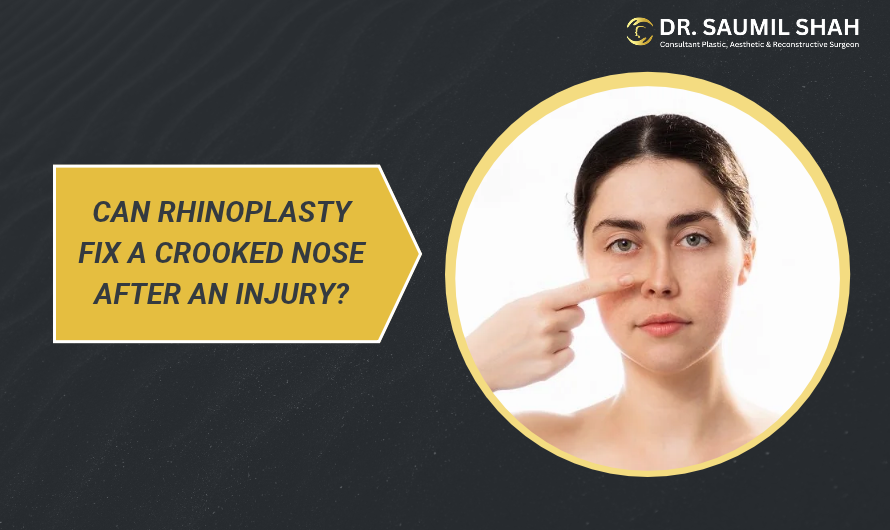
A nose injury can change more than your appearance. A fall, sports injury, accident, or accidental blow to the face can leave the nose looking crooked, create a bump on the bridge, or make breathing through one or both nostrils difficult. Sometimes, the change becomes more noticeable only after the initial swelling begins to settle.
The good news is that rhinoplasty can often help correct a crooked nose after an injury, depending on the extent of damage to the nasal bones, cartilage, and internal structures. When breathing problems are also present, the surgical plan may need to address both the appearance and function of the nose.
If you are considering Crooked Nose Surgery in Mumbai, understanding the available treatment options, the timing of surgery, and what results may be realistic can help you make an informed decision.
How Can an Injury Make Your Nose Crooked?
The nose is made up of bone, cartilage, and soft tissue. These structures work together to maintain its shape and support normal breathing.
When an injury damages or displaces them, the nose may become visibly misaligned.
Common causes include:
- Sports injuries, especially during contact sports
- Road traffic accidents
- Falls or accidental impacts
- Physical injuries to the face
- Previous nasal fractures that healed in a displaced position
An injury can affect the upper bony bridge, the cartilage in the middle of the nose, the nasal tip, or the septum that separates the two nasal passages.
In some cases, more than one structure is affected. This is why simply looking at the outside of the nose may not reveal the full extent of the problem.
Can Rhinoplasty Straighten a Crooked Nose After an Injury?
Yes. Rhinoplasty can be used to reshape the nasal framework and improve alignment after trauma. The exact procedure depends on which structures have been affected.
Treatment may involve:
- Realigning displaced nasal bones
- Reshaping or repositioning cartilage
- Correcting a crooked nasal bridge
- Improving nasal tip alignment
- Addressing irregularities caused by a previous fracture
- Supporting the nasal structure where necessary
The aim is to improve the nose’s alignment while maintaining adequate structural support and, where possible, normal breathing.
However, complete symmetry cannot always be guaranteed. Facial asymmetry, the severity of the original injury, scar tissue, skin thickness, and the condition of the remaining cartilage can influence the final result.
What Is the Difference Between Rhinoplasty and Septoplasty?
Although both procedures involve the nose, they address different concerns.
Rhinoplasty
Rhinoplasty focuses on changing the shape, structure, or proportions of the nose. It may be performed to correct a crooked bridge, uneven nasal tip, or deformity following an injury.
Septoplasty
Septoplasty corrects a deviated nasal septum—the internal wall that separates the two nasal passages. A septum that has shifted after an injury may contribute to blocked breathing.
Septorhinoplasty
When the external nose is crooked and the internal septum is also deviated, a combined procedure called septorhinoplasty may be appropriate.
This approach allows the surgeon to address both the visible deformity and relevant internal structural problems during the same operation when clinically suitable.
The correct procedure depends on your examination findings and whether your main concerns are cosmetic, functional, or both.
Signs You May Need Treatment for a Crooked Nose
Not every crooked nose requires surgery. However, an assessment may be helpful if you notice any of the following after an injury.
1. Your nose looks tilted to one side
The bridge or tip may appear displaced from the centre of your face. This can happen when the nasal bones or cartilage have shifted.
2. You have difficulty breathing through your nose
If one nostril feels consistently more blocked than the other, a deviated septum or another structural problem may be contributing.
3. Your nose has developed a bump or indentation
A fracture that heals in a displaced position may create an uneven bridge, visible bump, or depression.
4. Your nostrils appear uneven
Injuries can affect the cartilage supporting the nasal tip and nostrils, changing their shape or position.
5. Your nose looks different after the swelling subsides
Immediately after an injury, swelling can make the nose appear temporarily distorted. As the swelling decreases, an underlying deformity may become easier to identify.
If the nose remains crooked or breathing problems persist, seek medical evaluation rather than trying to correct the shape yourself.
When Should You Have Rhinoplasty After a Nose Injury?
Timing is important. The appropriate time for surgery depends on whether the injury is recent or the nose has already healed in a crooked position.
When the injury is recent
A newly fractured nose needs prompt medical assessment. In some cases, a clinician can reposition displaced nasal bones within a limited period after the injury, often before the bones begin to heal in their new position.
This procedure is called a nasal fracture reduction and is different from a planned rhinoplasty.
Do not attempt to straighten the nose yourself.
When the nose has already healed crooked
If the fracture has healed and the deformity remains, corrective rhinoplasty or septorhinoplasty may be considered.
Surgeons often wait until swelling has settled and the tissues have healed sufficiently before undertaking definitive reconstruction. This may take several months, depending on the injury and the proposed procedure.
There is no single waiting period suitable for every patient. Your surgeon will recommend timing based on the severity of the injury, breathing function, and the condition of the nasal structures.
Important: A recent injury accompanied by persistent bleeding, severe obstruction, significant deformity, or a painful swelling inside the nose needs urgent medical assessment. A collection of blood within the septum can require immediate treatment.
What Happens During Crooked Nose Surgery?
The surgical approach depends on the type and severity of the deformity. A mild deviation may require a different technique from a nose with substantial bony displacement, cartilage damage, or septal deviation.
A typical treatment process includes the following steps.
Step 1: Examination and treatment planning
The surgeon examines the external nose, nasal tip, nostrils, septum, and airflow. Your injury history, previous treatments, and current symptoms are also reviewed.
Photographs and additional investigations may be recommended when appropriate.
Step 2: Anaesthesia
Corrective rhinoplasty is commonly performed under general anaesthesia, although the approach depends on the procedure and clinical circumstances.
Step 3: Correcting the underlying structure
The surgeon may reposition the nasal bones, reshape cartilage, straighten the septum, or use structural grafts to support the nose.
The exact combination of techniques depends on the deformity.
Step 4: Restoring shape and support
The surgeon aims to improve alignment while preserving the strength needed to maintain the nasal shape and support breathing.
Step 5: Postoperative support
A nasal splint may be applied to help protect and support the nose during early healing. Internal splints or other measures may be used when indicated.
Your surgeon will explain the aftercare instructions and follow-up schedule.
Can Rhinoplasty Improve Breathing After an Injury?
It can, particularly when breathing difficulties are caused by structural damage that can be corrected surgically.
An injury may cause the septum to deviate, narrow a nasal passage, or damage structures that help keep the airway open.
Depending on the findings, treatment may include septoplasty, functional rhinoplasty, or a combined septorhinoplasty.
However, not every blocked nose is caused by a fracture or structural deviation. Allergies, inflammation, and other nasal conditions can also affect breathing. These should be assessed before deciding on surgery.
The goal is to improve function where possible without compromising the external support of the nose.
Will Crooked Nose Surgery Make Your Nose Look Completely Straight?
Surgery can often improve the alignment of a crooked nose, but achieving perfect symmetry is difficult.
The result depends on several factors:
- The severity and direction of the original deformity
- Whether the bones, cartilage, or both are affected
- The position of the nasal septum
- Skin thickness and elasticity
- Scar tissue from the original injury
- Natural facial asymmetry
- The strength and stability of the nasal framework
Some patients may need more complex reconstruction, particularly if the nose has healed with significant distortion or has undergone previous surgery.
Your surgeon should discuss the likely degree of correction and any limitations before treatment.
How Long Does Recovery Take?
Recovery varies according to the complexity of the surgery and the individual’s healing process.
First week
Swelling, bruising, congestion, and mild discomfort may occur. A splint is often used during this period, and you may need to avoid activities that could put pressure on the nose.
Weeks two to three
Bruising often improves, and much of the initial swelling begins to settle. However, the nose may still look swollen or uneven.
Weeks four to six
Many patients can gradually resume more activities according to their surgeon’s advice. Contact sports and activities that risk another nasal injury should remain restricted until cleared.
Three to six months and beyond
The nasal shape continues to settle. Subtle swelling, especially around the tip, can persist for longer, and final refinement may take a year or more in some cases.
Follow your surgeon’s specific recovery plan rather than relying only on a general timeline.
What Are the Risks of Crooked Nose Surgery?
Like any operation, rhinoplasty has potential risks. These may include:
- Bleeding
- Infection
- Persistent swelling
- Scarring
- Changes in sensation
- Residual asymmetry
- Persistent or new breathing difficulties
- Changes in nasal support or contour
- Need for revision surgery
Previously injured noses can be more challenging to correct because the bones and cartilage may have healed in altered positions or developed scar tissue.
A thorough examination and realistic treatment planning are therefore particularly important.
Who Is a Suitable Candidate for Crooked Nose Surgery?
You may be considered for surgery if:
- Your nose remains crooked after an injury has healed
- You have a persistent deformity caused by a nasal fracture
- You experience breathing difficulties linked to structural damage
- Your nasal bridge or tip has become noticeably misaligned
- You are in suitable general health for surgery
- You understand the potential benefits, risks, and limitations
The decision should be based on a clinical assessment. If the injury is recent, the priority is to evaluate and treat the acute injury rather than immediately planning elective rhinoplasty.
How to Choose the Right Surgeon
Correcting a crooked nose after an injury can be more complex than reshaping an otherwise healthy nose. The surgeon must consider both appearance and structural function.
When evaluating a surgeon, ask about:
- Experience with post-traumatic nasal deformities
- Assessment of the nasal septum and breathing
- The proposed surgical technique
- Expected improvements and limitations
- Potential complications
- Recovery and follow-up care
- Whether additional procedures could be required
If you are considering Crooked Nose Surgery in Mumbai, a consultation with Dr. Saumil Shah can help you understand your treatment options and whether rhinoplasty, septoplasty, or a combined procedure may suit your condition.
Frequently Asked Questions
Can rhinoplasty fix a nose broken years ago?
Yes, surgery may correct a nose that healed crooked after an old fracture. The procedure depends on the position of the healed bones, cartilage, and septum.
Is rhinoplasty enough to correct a crooked nose?
Sometimes. If the deformity involves both the external nose and the internal septum, a combined procedure may be recommended.
Can crooked nose surgery improve breathing?
It may improve breathing when the obstruction is caused by structural problems that can be corrected surgically. Other causes of nasal blockage need separate assessment.
Is surgery necessary if my nose is slightly crooked?
Not always. If the nose causes no functional problems and the appearance does not concern you, treatment may not be necessary. The decision depends on your symptoms and preferences.
Will there be visible scars after rhinoplasty?
Many rhinoplasty techniques use incisions inside the nose. An open approach also involves a small incision across the columella, the tissue between the nostrils, which generally heals with a subtle scar. The exact approach depends on the correction required.
How long should I wait after an injury before rhinoplasty?
The timing depends on the injury. Recent fractures may need early assessment and, in selected cases, prompt repositioning. Definitive rhinoplasty for a healed deformity is generally planned after sufficient healing and reduction of swelling.
Can a crooked nose become crooked again after surgery?
Residual or recurrent deviation can occur because of cartilage memory, healing, scar tissue, or the complexity of the original injury. Although surgical techniques aim to improve stability, a perfectly straight result cannot be guaranteed.
Is crooked nose surgery only cosmetic?
No. Surgery may address appearance, breathing, or both, depending on the structures affected by the injury.
Final Thoughts
A crooked nose after an injury can affect facial balance, breathing, and confidence. Rhinoplasty can often improve post-traumatic nasal deformity, while septoplasty or septorhinoplasty may be appropriate when the internal septum or airway is also affected.
The best treatment depends on the severity of the injury, how the nose has healed, and whether your concerns are cosmetic, functional, or both. A detailed assessment is the first step toward understanding what can realistically be achieved.
If your nose remains crooked after an accident or sports injury, consult Dr. Saumil Shah to discuss your concerns and explore suitable options for Crooked Nose Surgery in Mumbai.