 by
by Tips from a Hair Transplant
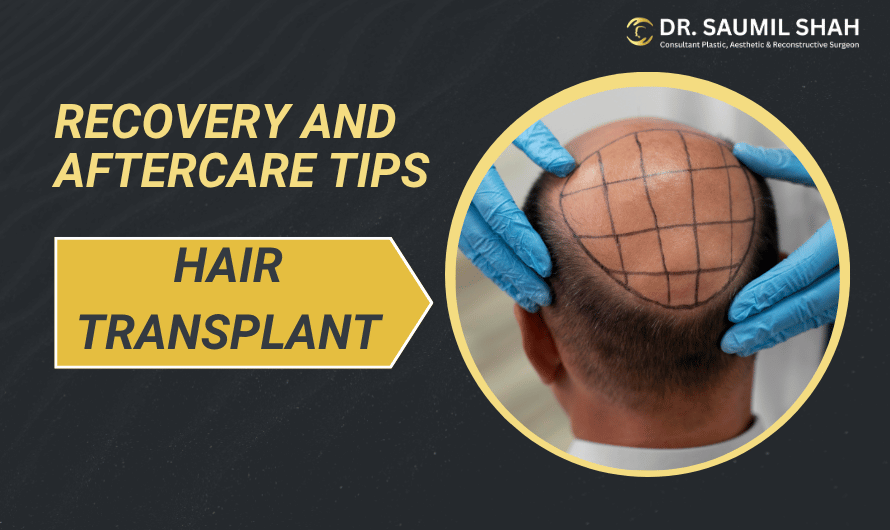
A hair transplant can restore not just your hair, but also your confidence. But the real success of the procedure depends heavily on how well you care for your scalp after surgery. Proper recovery helps ensure healthy graft growth, minimal complications, and natural-looking results. In this blog, you’ll learn practical aftercare tips, what to expect during healing, and how to protect your results long term.
What to Expect Right After the Procedure
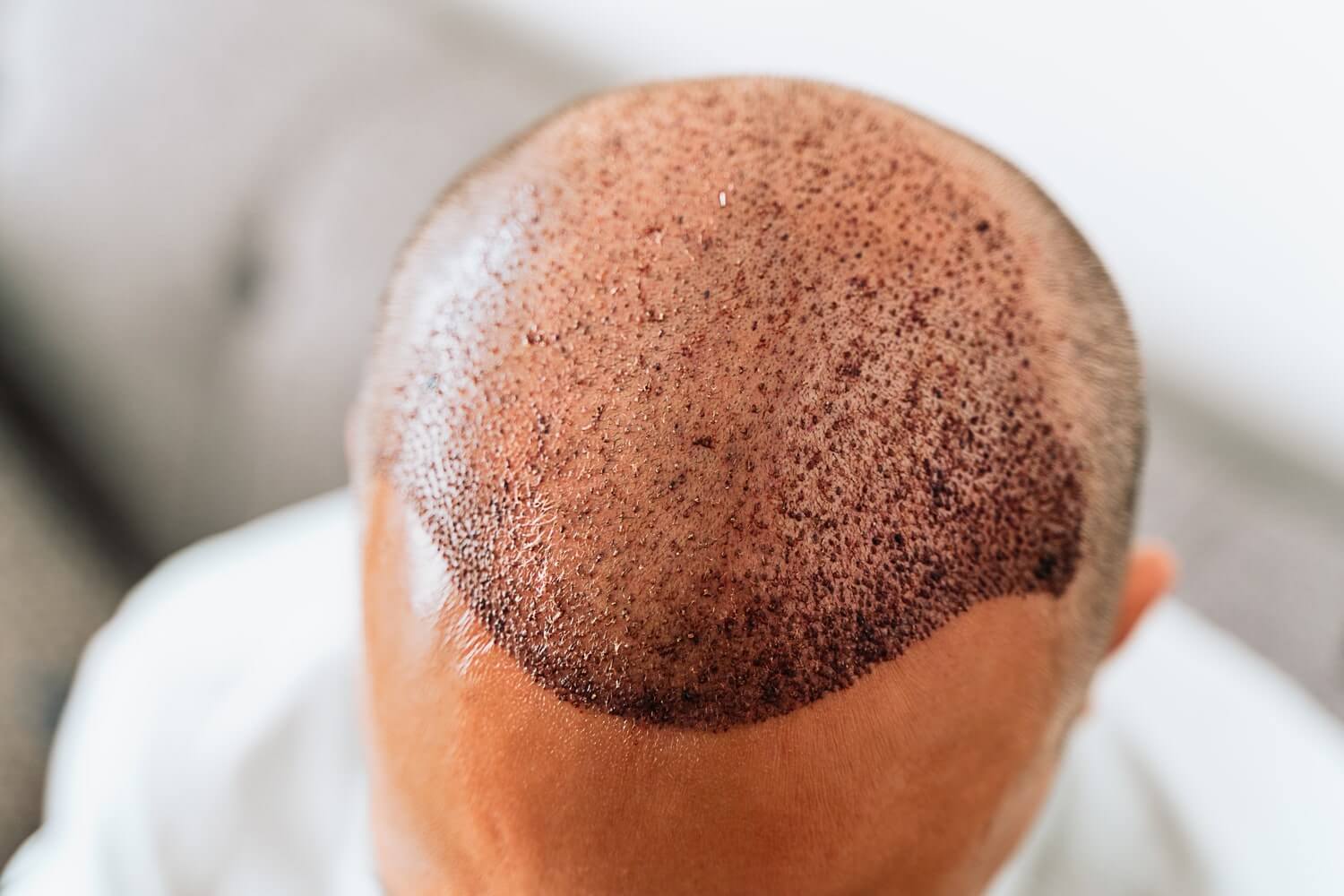
The first few days are crucial for graft survival.
- Mild swelling on the forehead is normal
- Tiny scabs will form around transplanted hair
- You may feel slight tightness or discomfort
What you should do:
- Keep your head elevated while sleeping
- Avoid touching or scratching the scalp
- Follow your doctor’s medication schedule strictly
Washing Your Hair the Right Way
Hair washing usually starts after 2–3 days, but technique matters.
- Use only the prescribed mild shampoo
- Pour water gently; avoid direct pressure
- Pat dry with a soft towel, do not rub
Why this matters:
Improper washing can dislodge grafts and affect final density.
Managing Scabs and Itching
Scabs are part of healing and usually fall off within 7–10 days.
- Do not pick or peel them
- Let them shed naturally during washing
- Mild itching is normal during healing
Tip:
If itching feels intense, consult your doctor instead of using home remedies.
Sleeping Position and Daily Movements
Your sleeping posture directly impacts graft stability.
- Sleep on your back with your head elevated
- Avoid sleeping on your stomach or sides initially
- Limit sudden head movements
For the first week:
- Avoid bending forward too much
- Move slowly and carefully
Activities to Avoid During Recovery
You’ll need to pause some routine activities for a short time.
Avoid for at least 2–3 weeks:
- Heavy workouts or gym sessions
- Swimming or sauna
- Direct sun exposure
Also avoid:
- Smoking and alcohol
- Wearing tight caps or helmets
These can slow healing and reduce graft survival.
Shedding Phase: Don’t Panic
Around 2–4 weeks after the transplant, you may notice hair shedding.
This is completely normal.
- Transplanted hair falls out
- Roots remain intact
- New hair growth starts after 3–4 months
Important:
This phase is temporary and part of the natural cycle.
Long-Term Hair Care for Best Results
Recovery doesn’t end in a week—it’s a process.
To maintain results:
- Follow a healthy, protein-rich diet
- Take prescribed supplements if advised
- Use doctor-recommended hair products
Regular follow-ups help track progress and address concerns early.
If you’re considering a hair transplant or need expert aftercare guidance, consulting an experienced specialist is essential. Dr. Saumil Shah is a leading plastic surgeon in Mumbai, Borivali, known for his expertise in aesthetic and reconstructive procedures. He is board certified and trained in a wide range of surgical and non-surgical treatments, including hair restoration, facial procedures, body contouring, breast surgeries, and advanced laser treatments.
FAQs
1. How long does it take to recover after a hair transplant?
Most initial healing happens within 7–10 days, but full recovery and hair growth take several months.
2. When can I return to work?
You can usually return to work within 3–5 days, depending on your comfort level.
3. Is hair transplant recovery painful?
Pain is minimal and manageable with prescribed medications.
4. When will I see visible hair growth?
New hair growth typically begins around 3–4 months after the procedure.
5. Can I wear a cap after the procedure?
Avoid tight caps for at least 7–10 days unless your doctor allows it.
6. Will the transplanted hair fall out again?
Initial shedding is normal, but the new hair will regrow permanently.
7. Are there any long-term side effects?
When done by a qualified surgeon and followed by proper care, side effects are minimal.
Conclusion
A hair transplant is only half the journey-your aftercare defines the final outcome. Simple habits like gentle washing, avoiding strain, and following medical advice can make a significant difference. If you want natural, lasting results, working closely with a skilled professional ensures safety and success. Taking the right steps today helps you enjoy fuller, healthier hair in the months ahead.