 by
by Recovery After Gynecomastia Surgery
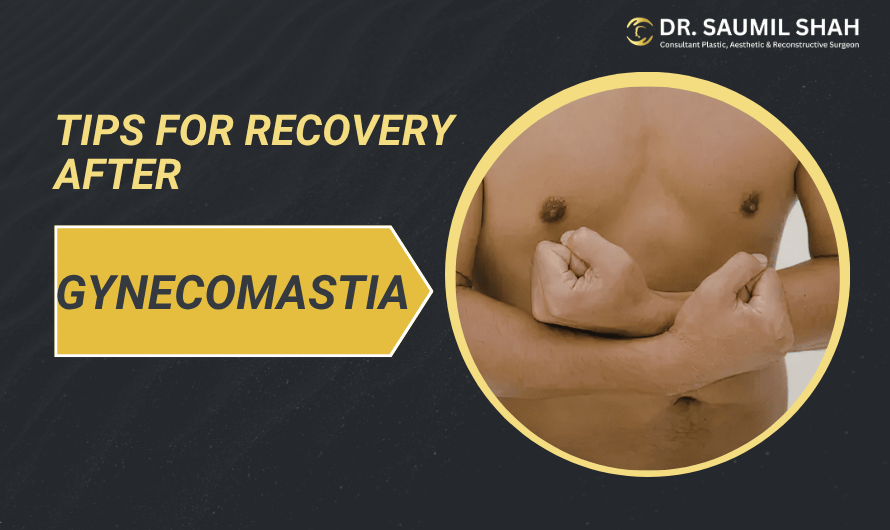
Gynecomastia surgery can be a life-changing step for men dealing with enlarged chest tissue. While the procedure itself is important, your recovery plays an equally crucial role in achieving the best results.
A smooth recovery helps reduce complications, speeds up healing, and improves your final appearance.
In this blog, you will learn practical recovery tips, what to expect after surgery, and how to take care of your body during the healing phase.
Follow Your Surgeon’s Instructions Strictly
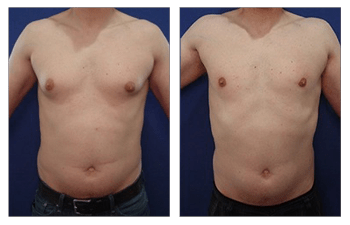
Your surgeon’s advice is your recovery roadmap.
- Take prescribed medications on time
- Follow wound care instructions carefully
- Attend all follow-up appointments
- Avoid self-medication or home remedies without approval
Even small instructions matter. Ignoring them can delay healing or affect your results.
Wear Your Compression Garment Properly
Compression garments are not optional—they are essential.
- Helps reduce swelling
- Supports chest contour
- Improves skin retraction
- Reduces risk of fluid buildup
Wear it as advised, usually for 3–6 weeks. Removing it too early can impact your final outcome.
Manage Swelling and Bruising
Swelling and bruising are normal after surgery.
To manage them effectively:
- Apply cold compress (only if advised)
- Keep your upper body slightly elevated while resting
- Stay hydrated
- Avoid salty foods
Most swelling reduces within a few weeks, but minor swelling can last longer.
Avoid Physical Strain
Your body needs time to heal internally.
- Avoid heavy lifting for at least 3–4 weeks
- Do not perform chest workouts early
- Limit sudden arm movements
- Gradually resume daily activities
Returning to intense activity too soon can cause complications or affect surgical results.
Maintain a Healthy Diet
What you eat directly impacts your recovery.
Focus on:
- High-protein foods (for tissue repair)
- Fruits and vegetables (for immunity)
- Adequate water intake
Avoid:
- Alcohol
- Smoking
- Processed and junk food
Good nutrition speeds up healing and reduces inflammation.
Take Care of Your Incision Sites
Proper wound care prevents infection and scarring.
- Keep the area clean and dry
- Do not scratch or touch unnecessarily
- Follow dressing change instructions
- Watch for signs like redness, pus, or unusual pain
If something feels off, contact your doctor immediately.
Be Patient with Results
Recovery is a gradual process.
- Initial results may look uneven due to swelling
- Final shape takes a few months to settle
- Scars fade over time with proper care
Trust the process. Avoid comparing your progress with others.
Doctor Introduction
Dr. Saumil Shah is a leading plastic surgeon based in Mumbai, Borivali, known for his expertise in aesthetic and reconstructive procedures. His areas of specialization include procedures for the body, breast, face, and hair, along with advanced laser treatments and minimally invasive options. His approach focuses on achieving natural-looking results while ensuring patient safety and comfort.
You can book an appointment by contacting the clinic directly to receive personalized guidance and treatment planning.
FAQs
1. How long does recovery take after gynecomastia surgery?
Most patients recover within 2–4 weeks, but complete healing may take a few months.
2. When can I return to work?
You can usually return to light work within 3–5 days, depending on your job type.
3. Is pain common after surgery?
Mild discomfort is normal and can be managed with prescribed medications.
4. Can swelling affect my results?
Yes, temporary swelling can make results look uneven. It settles gradually.
5. When can I start exercising again?
Light activities can begin after 2 weeks, but heavy workouts should wait for 4–6 weeks.
6. Will there be visible scars?
Scars are minimal and fade over time with proper care.
7. Is wearing a compression garment really necessary?
Yes, it is crucial for shaping and reducing swelling after surgery.
Conclusion
Recovery after gynecomastia surgery is not complicated, but it does require discipline and care. By following medical advice, avoiding strain, and maintaining a healthy lifestyle, you can ensure better healing and long-lasting results.
If you are considering the procedure or need guidance during recovery, consulting an experienced specialist like Dr. Saumil Shah can help you achieve safe and satisfying outcomes.