 by
by Do you find yourself worrying about sweat marks before meetings or avoiding handshakes because of damp palms? If excessive sweating affects your daily comfort or confidence, you are not alone. Hyperhidrosis is more common than most people think, and treatment options have changed a lot in recent years. This blog explains what hyperhidrosis is, why it happens, and the latest treatment approaches that can help you regain control and feel at ease in social and professional settings.
Understanding Hyperhidrosis and Why It Happens
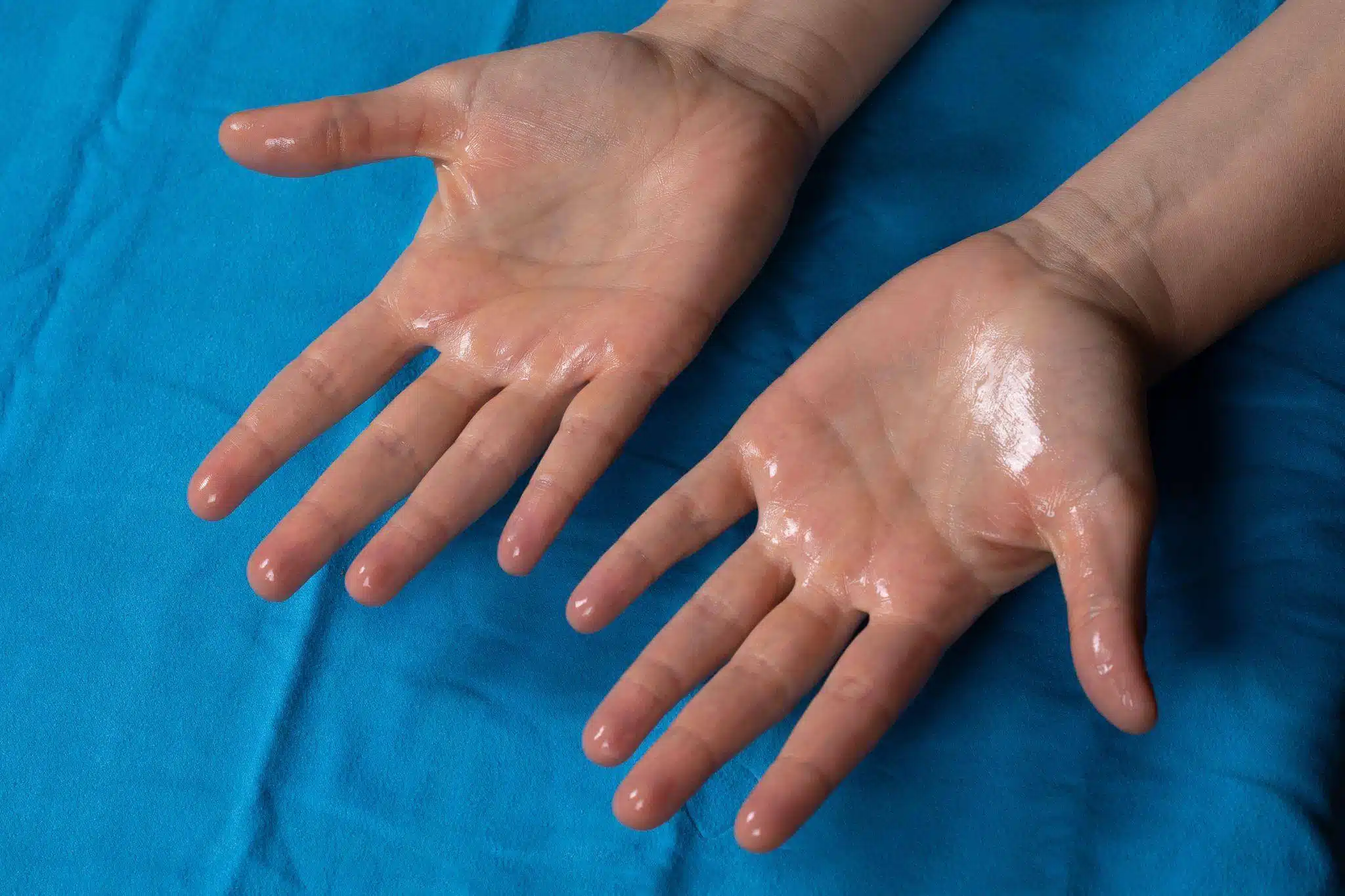
Hyperhidrosis is a medical condition where your body produces more sweat than needed to regulate temperature. This sweating often appears without heat, exercise, or stress triggers.
You may notice it in specific areas such as:
- Underarms
- Palms
- Soles of the feet
- Face or scalp
In many people, the condition begins during teenage years or early adulthood. Primary hyperhidrosis often runs in families and links to overactive sweat glands rather than another illness. Secondary hyperhidrosis can develop later in life due to hormonal changes, medications, or underlying health concerns.
Knowing the cause helps guide treatment choices and sets realistic expectations.
Signs That Go Beyond Normal Sweating
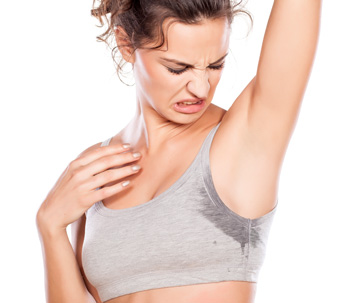
Sweating is normal. Hyperhidrosis stands apart because it disrupts daily routines and comfort.
Common signs include:
- Clothes getting soaked within minutes
- Difficulty holding objects due to wet hands
- Frequent shoe damage or foot infections
- Skin irritation or odor despite hygiene care
You may also feel social discomfort or anxiety related to visible sweating. Many patients delay seeking help because they believe nothing can be done. Current medical care offers several options that can reduce sweating in a controlled and predictable way.
Why Hyperhidrosis Treatment Has Advanced So Much
Earlier treatment relied heavily on strong antiperspirants or oral medication with mixed results. Today, better understanding of nerve pathways and sweat gland behavior has reshaped care.
Doctors now focus on:
- Blocking sweat signals at specific points
- Targeting sweat glands without harming nearby tissue
- Matching treatment intensity to symptom severity
This shift allows more personalized care with fewer side effects.
Modern Non-Surgical Treatments You Should Know About
Non-surgical options suit many patients and often serve as the first step in care.
Botulinum Toxin Injections
These injections block nerve signals that activate sweat glands. Treatment works well for underarms, palms, and soles.
What to expect:
- Sessions take around 20 to 30 minutes
- Results appear within a week
- Sweat reduction lasts several months
Most patients return to routine activities the same day.
Advanced Energy-Based Devices
Microwave and radiofrequency systems target sweat glands using controlled heat. The glands do not regenerate after treatment.
Benefits include:
- Long-lasting reduction
- No daily maintenance
- Suitable for underarm sweating
These treatments often require one or two sessions.
Prescription Topical Solutions
Newer topical agents work by limiting sweat gland activity with improved skin tolerance. They suit mild to moderate cases or patients who prefer non-invasive care.
Surgical Options for Severe or Resistant Cases
When non-surgical care does not give enough relief, surgery may help selected patients.
Endoscopic Thoracic Sympathectomy
This procedure interrupts nerve signals responsible for sweating, mainly for palms and underarms.
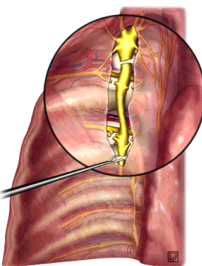
Key points:
- Done under general anesthesia
- Small incisions with camera guidance
- Permanent sweat reduction in treated areas
Careful patient selection matters because compensatory sweating can occur in other body parts.
Sweat Gland Removal Techniques
For underarm sweating, surgeons can remove or disable sweat glands using minimally invasive methods. Recovery stays shorter compared to traditional surgery.
Comparing Surgical and Non-Surgical Treatments
Choosing the right approach depends on symptoms, lifestyle, and expectations.
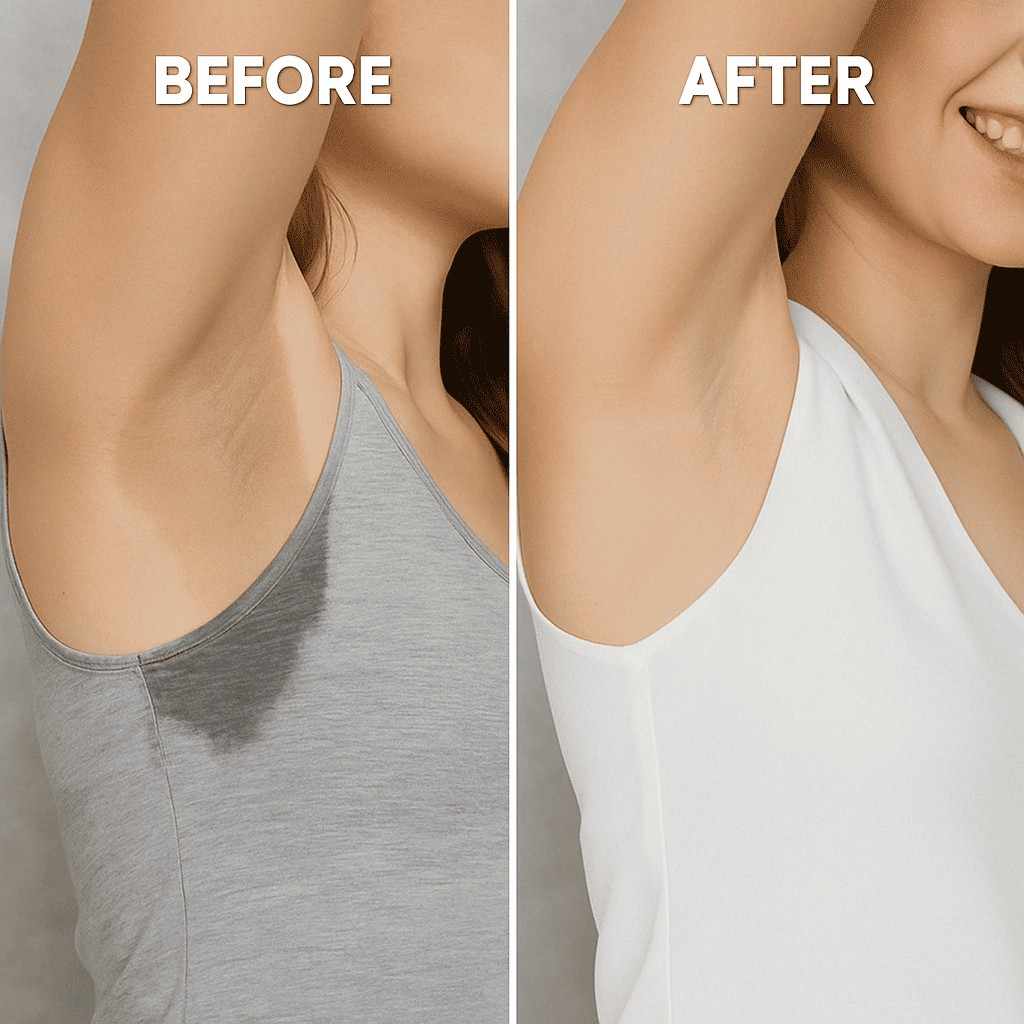
Non-surgical care suits you if:
- Sweating affects limited areas
- You prefer minimal downtime
- You want reversible options
Surgical care suits you if:
- Sweating remains severe despite treatment
- Symptoms cause major functional issues
- You seek long-term control
A specialist evaluation helps balance benefit and risk based on your needs.
Recovery, Safety, and What Results Look Like Over Time
Most modern treatments allow fast recovery. Injections and device-based care rarely interrupt daily work. Mild swelling or tenderness can appear for a short period.
Results vary by method:
- Injections last several months
- Device-based treatments offer long-term reduction
- Surgery provides lasting relief in selected cases
Regular follow-up supports safety and helps adjust care if sweating patterns change.
Common Myths and Facts About Hyperhidrosis Treatment
Many people delay treatment because of incorrect beliefs about excessive sweating. Clearing these myths helps you make informed decisions.
Myth: Excessive sweating is just a hygiene issue
Fact: Hyperhidrosis has no link to poor hygiene. It happens due to overactive sweat glands and nerve signals. Regular bathing does not control it.
Myth: You only sweat excessively when you are nervous
Fact: While stress can worsen sweating, hyperhidrosis often occurs even when you feel calm, relaxed, or at rest.
Myth: Strong antiperspirants are enough for everyone
Fact: Over-the-counter products help mild sweating. Moderate to severe hyperhidrosis usually needs medical treatment for reliable control.
Myth: Hyperhidrosis treatments stop sweating completely
Fact: Treatments aim to reduce excessive sweat, not block normal sweating. Your body still maintains natural temperature balance.
Myth: All treatments are painful or unsafe
Fact: Most modern treatments cause minimal discomfort and have a good safety profile when done by trained specialists.
Myth: Surgery is the only real solution
Fact: Many patients achieve good results with non-surgical options like injections or device-based treatments. Surgery is reserved for selected cases.
Doctor Introduction
Dr. Saumil Shah is recognized as one of the leading plastic surgeons in Mumbai, Borivali, with a strong focus on aesthetic and reconstructive care for both men and women. His work spans body, breast, face, hair, laser, Weight Loss Injections and non-surgical treatments, with careful attention to patient safety and individualized planning. He consults at Skinzone Aesthetics, 403, Vini Elegance, Above Tanishq Jewellers, L.T. Road, Borivali West, Mumbai 400092. Patients usually meet him for a detailed evaluation where treatment options are discussed based on symptom severity, comfort, and long-term goals.
Frequently Asked Questions About Hyperhidrosis Treatment
1.Is hyperhidrosis treatment safe?
Most treatments have a strong safety record when performed by trained specialists. Your doctor reviews medical history before starting care.
2.Do injections for sweating hurt?
Discomfort stays mild for most people. Numbing methods help reduce pain during treatment.
3.How long is the downtime after treatment?
Many patients return to work the same day. Surgical care may need a short recovery period.
4.Are results permanent?
Some treatments offer long-term reduction while others need repeat sessions. Your doctor explains expected duration during consultation.
5.Can treatment stop sweating completely?
The goal is control, not total elimination. Normal sweating remains important for body balance.
6.Who should avoid treatment?
People with certain medical conditions or active infections may need delay or alternative care. A clinical review helps decide suitability.
A Calm Way Forward
Excessive sweating can feel isolating, yet effective care exists today. Advances in medical science allow precise treatment that fits your lifestyle and comfort level. By understanding your options and consulting a qualified specialist, you can take informed steps toward better control and daily confidence.