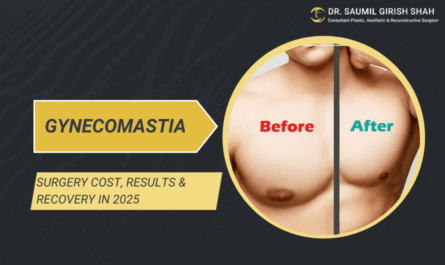
 by
by Gynecomastia Surgery
Gynecomastia is a common condition where men develop enlarged breast tissue. This can be caused by hormonal imbalances, genetics, or certain medications. For many men, gynecomastia can affect self-esteem and confidence. Choosing the right surgeon for gynecomastia surgery is crucial to ensuring a successful outcome. In this blog, we will guide you through the process of selecting the best surgeon, the qualifications to look for, and why it’s essential to consult an expert before undergoing surgery.
Why Choosing the Right Surgeon Matters
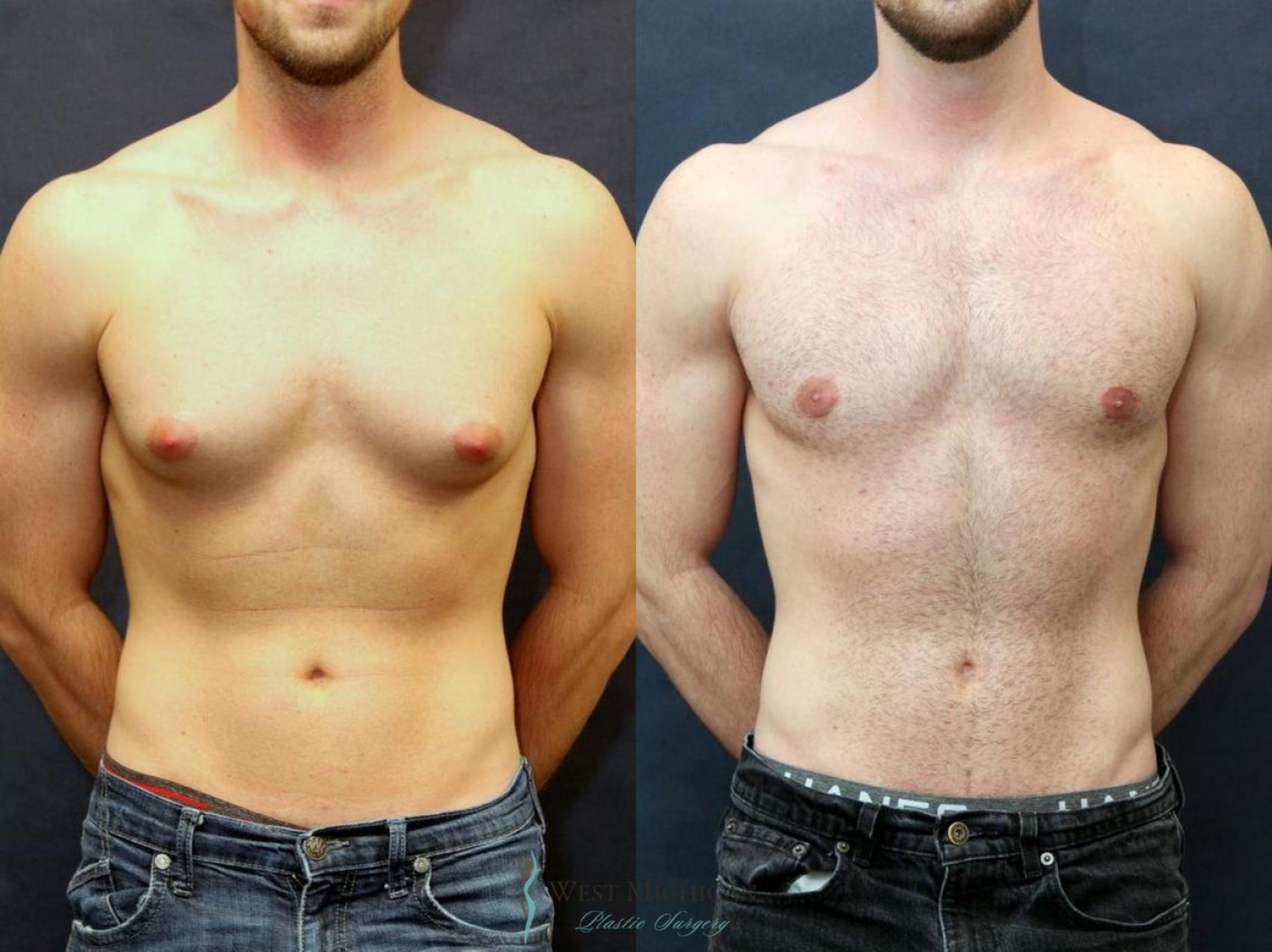
Gynecomastia surgery, also known as male breast reduction surgery, requires expertise to achieve optimal results. Selecting an experienced and qualified surgeon ensures not only a safe procedure but also a natural-looking outcome. Poorly performed surgery can lead to complications or unsatisfactory results, so it’s vital to do your research. In this post, we’ll walk you through the key points to consider when choosing the best surgeon for gynecomastia surgery.
Dr. Saumil Shah is a leading plastic surgeon based in Mumbai, specializing in both aesthetic and reconstructive surgery. With years of experience and board certifications, Dr. Shah has become renowned for his expertise in male and female body, breast, and facial procedures. He is also skilled in laser treatments and non-surgical options, ensuring a personalized approach to each patient’s needs.
Key Factors to Consider When Choosing a Surgeon
- Board Certification and Qualifications
- Ensure the surgeon is board-certified by a recognized plastic surgery board.
- Certification demonstrates the surgeon’s expertise and commitment to high standards.
- Ask about the surgeon’s training, education, and specialization in gynecomastia surgery.
- Experience with Gynecomastia Surgery
- Experience plays a crucial role in the success of gynecomastia surgery.
- A surgeon with a proven track record in performing male breast reduction procedures will be familiar with various techniques and know how to achieve natural results.
- Look for a surgeon who has handled cases similar to yours and who can provide before-and-after photos of past patients.
- Personalized Consultation and Approach
- A great surgeon will take the time to understand your unique concerns and goals.
- During your consultation, the surgeon should provide a thorough examination and discuss your medical history, lifestyle, and expectations.
- This personalized approach will ensure that the surgery plan is tailored to meet your needs.
- Technology and Facilities
- Advanced technology and up-to-date surgical equipment are vital for successful surgery and recovery.
- Ensure the clinic follows strict hygiene and safety protocols.
- The clinic should have facilities that meet all required medical standards, providing a safe environment for your procedure.
- Patient Reviews and Testimonials
- Patient feedback offers valuable insight into the surgeon’s skills and the quality of care at their clinic.
- Look for online reviews, testimonials, and any patient success stories.
- A surgeon with a strong reputation will have a list of happy clients who are willing to share their positive experiences.
- Cost Transparency
- Understand the full cost of the surgery before making a decision.
- While cost should not be the sole factor in your decision, it’s essential to ensure you’re receiving fair pricing for the services provided.
- Discuss the payment options and any potential hidden fees upfront.
Frequently Asked Questions (FAQs)
- How long does it take to recover from gynecomastia surgery?
- Most patients can return to light activities within a week. Full recovery can take several weeks, with final results visible after 3 to 6 months.
- What are the risks associated with gynecomastia surgery?
- As with any surgery, there are risks such as infection, scarring, and asymmetry. A skilled surgeon will minimize these risks by using proper techniques and ensuring post-surgical care.
- Will the results of gynecomastia surgery last?
- Yes, the results are permanent as long as there is no significant weight gain or hormonal changes. However, a healthy lifestyle will help maintain the results.
- Is gynecomastia surgery covered by insurance?
- In most cases, gynecomastia surgery is considered cosmetic and is not covered by insurance. However, if the condition is caused by an underlying medical issue, your insurance might cover the procedure.
- What should I expect during the consultation?
- During your consultation, the surgeon will assess your condition, discuss your goals, and recommend the best treatment options. They will also explain the procedure, recovery process, and any potential risks.
- How do I know if I’m a good candidate for gynecomastia surgery?
- Ideal candidates are healthy individuals who have stable weight and no underlying medical conditions. If you’re self-conscious about enlarged breast tissue and want a permanent solution, you may be a suitable candidate.
- What type of anesthesia is used in gynecomastia surgery?
- Gynecomastia surgery is typically performed under general anesthesia, ensuring the patient is comfortable and pain-free throughout the procedure.
- Are there any non-surgical options for treating gynecomastia?
- Non-surgical treatments like liposuction or ultrasound therapy may be suitable for mild cases of gynecomastia, but surgery is often the most effective solution for more severe cases.
Conclusion
Choosing the best surgeon for gynecomastia surgery is a critical decision that can impact the outcome of your procedure. By focusing on factors such as board certification, experience, personalized care, and technology, you can ensure that you’re in the best hands. Don’t hesitate to schedule a consultation with a skilled and qualified surgeon like Dr. Saumil Shah to discuss your options. With the right guidance and care, you can regain your confidence and achieve the results you desire.